
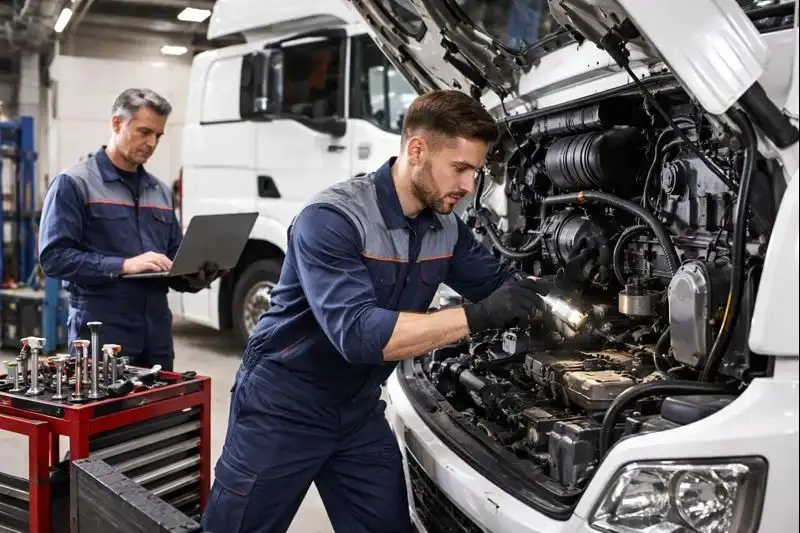
Preventive maintenance is basically routine TLC for your heavy rig. Think of your truck’s engine as a valuable long-term asset that requires timely care before issues arise.
From a truck mechanic Brisbane perspective, this means following a structured schedule of inspections, servicing, and tune-ups to detect minor concerns early and prevent costly breakdowns on the highway. Regular attention not only improves reliability but also keeps your truck operating safely and efficiently under demanding conditions.
In simple terms, it involves performing several minor repairs and inspections before a major breakdown occurs. For example, one heavy-vehicle guide explains that fleets must have “preventive maintenance plans to address potential issues before they impact vehicle safety or performance.” Put simply, address minor issues promptly to avoid stranding later.
Preventive maintenance covers everything from daily driver checks to major overhauls. A typical routine might look like inspecting tire pressure and lights each morning, changing the oil every few thousand kilometers, and giving the whole truck a thorough look-over once a year—tasks that a truck mechanic Brisbane drivers rely on to keep heavy vehicles safe, compliant, and road-ready.
These tasks keep the vehicle roadworthy and safe. In fact, following a proper upkeep plan “enhances safety, reducing the risk of breakdowns”. For a heavy truck mechanic, these regular service sessions are like going to the gym keep your rig fit, and it’ll reward you with reliability.
In busy Brisbane truck bays, preventive maintenance is a daily ritual. Mechanics use checklists to inspect each system brakes, lights, engine fluids, steering linkages, you name it before it becomes a problem.
Every day might start with a quick walkaround by a truck mechanic Brisbane drivers rely on, checking for flat tyres, topping up oil and coolant, and testing lights and signals. Once a week or monthly, the maintenance schedule may include oil and filter changes, brake pad inspections, battery tests, and tightening belts or bolts to keep trucks road-ready and compliant.
On a longer timescale (like every 12 months or a set mileage), a truck mechanic in Brisbane might carry out a comprehensive service: deep engine tune-up, gearbox and differential check, cooling system flush, and even examining structural parts like the frame. The table below shows a simplified breakdown of these maintenance checks:
|
Maintenance Type |
Frequency | Typical Tasks |
|
Daily/Pre-Trip |
Each driving day (pre-start) |
Check tyre pressure; inspect lights, mirrors and signals; top up oil/coolant; fluid levels; belt and hose glance. |
|
Weekly/Monthly |
Every 1–4 weeks or ~5,000 km |
Brake and suspension inspection; change engine oil & filter; test battery; lubricate joints; inspect belts and hoses closely. |
| Major (Comprehensive) | Every 6–12 months (or ~20,000 km) |
Full engine tune-up; transmission/gearbox check; inspect steering/suspension; replace air and fuel filters; fluid flushes (coolant, brake); inspect frame/body for rust or cracks. |
Each step may sound boring, but it pays off. A heavy truck mechanic knows that catching a worn brake pad today means avoiding a brake failure tomorrow. In fact, industry experts note that heavy rigs on a strict maintenance plan can even skip some mandatory inspections.
For example, Queensland’s heavy vehicle accreditation program explicitly states that Maintenance Management accreditation “exempts your vehicle from the requirement to be inspected before renewal of registration,” making it a valuable advantage for any truck mechanic in Brisbane.
In plain English: do your preventive checks right, and you might not even need the annual safety inspection. That’s a big incentive for any Brisbane fleet or transport and logistics business to keep trucks in top shape.
Why Preventive Maintenance Matters to You
Preventive maintenance is not just for show; it saves time and money. By resolving small issues early, you avoid big breakdowns. Finding and replacing a worn belt today, for instance, will prevent your truck from dying on the freeway tomorrow.
According to heavy truck guidelines, routine upkeep “minimises unplanned downtime and extends the lifespan of vehicles.” For fleet operators working with a truck mechanic Brisbane drivers rely on, this means fewer late-night calls to tow trucks, improved road safety, and more deliveries arriving on time.
Moreover, safety is a big deal. A well-maintained truck is safer on the road. One blog bluntly says neglecting maintenance is “not just a safety measure; it’s a legal obligation.” In Australia, heavy trucks are tightly regulated.
The Heavy Vehicle National Law mandates that rigs over 4.5 tonnes be kept in safe operating order, a responsibility often handled by a qualified truck mechanic Brisbane operators rely on. If you don’t comply, penalties can be harsh.
Brisbane’s transport authorities regularly remind fleet owners that the NHVR oversees compliance through inspections and accreditation programs, making professional mechanical maintenance essential.
In practice, this means every part you check now – brakes, tires, steering—keeps you on the right side of the law. For truck repairs Brisbane businesses, staying compliant also builds trust; clients know your trucks won’t surprise them with a breakdown mid-delivery.
Finally, consider reputation and efficiency. In transport and logistics, reputation is everything. Trucks that run reliably build a company’s brand, while breakdowns dent it. Preventive maintenance keeps your fleet clocking up the miles instead of parked up.
Think of it this way: each check is like a wellness check-up for your metal workhorse—skip it, and you risk a costly collapse. This is why regular inspections from an experienced truck mechanic Brisbane drivers rely on are so important.
In fact, industry experts highlight that preventive routines “enhance vehicle performance by ensuring that all components function correctly”, which means smoother rides, better fuel economy, and a longer truck life. In short, a little care goes a long way.
Practical Maintenance Tasks for Truck Mechanics
So what does all this mean in practice? If you’re a Brisbane pro truck mechanic, you probably have your own maintenance checklist. Here are some core activities you’ll cycle through regularly:
- Daily Walkaround: Before the truck even leaves the yard, inspect tires, lights, mirrors, and fluid levels (oil, coolant, brake fluid). Look and listen for anything odd. These quick checks catch obvious issues immediately.
- Brake and Air System: Heavy trucks rely on air brakes. Listen for leaks and ensure the system builds proper pressure. Check brake pads, drums, and linings frequently. A brake pad worn too thin is an accident waiting to happen.
- Engine Checks: Regular oil changes and filter swaps (oil, fuel, air filters) keep the engine running clean. Monitor coolant condition and top it up as needed. For a truck mechanic Brisbane heavy duty repairs shop, diesel filters are a daily routine item – clean fuel means fewer injector problems.
- Lubrication and Belts: Grease the chassis points and pivots. Check belt tension (alternator, compressor belts). Loose or worn belts can fail without warning.
- Electrical System: Inspect battery condition and terminals. Test all lights and signals. Replacing a blown bulb or corroded wire is easy on a schedule, but forgetting it could leave the truck invisible on a dark highway—something any truck mechanic Brisbane would strongly advise against.
- Steering and Suspension: Examine tie rods, ball joints, and shocks. Look for leaks or damage. Proper alignment keeps tyre wear even and handling safe.
Each task may involve simple tools or even specialized equipment. The key is consistency.
Benefits of Preventive Maintenance
Let’s make one thing clear: this isn’t just busywork. The benefits are real. First, reliability. A vehicle that’s regularly serviced is far less likely to leave you stranded.
Fewer breakdowns mean trucks stay on the road hauling goods, which keeps customers happy and schedules on track.
For fleet operators who rely on an experienced truck mechanic Brisbane, consistent vehicle reliability translates directly into operational confidence.
With scheduled servicing and proactive inspections in place, fleet managers can be assured that critical tasks—such as timely oil changes, component wear checks, and proper coolant system management are never overlooked.
This structured approach significantly reduces the risk of unexpected breakdowns, helping fleets stay on schedule, control maintenance costs, and operate without unnecessary disruptions—especially when supported by a trusted truck mechanic Brisbane.
Second, cost savings. While preventive maintenance has an upfront cost, it’s nothing compared to emergency repairs.
Repairing a seized engine or replacing bent axles after a failure is hugely expensive often 5–10 times the cost of the routine fix that could have prevented it.
Industry data show that unplanned truck downtime can cost companies thousands of dollars per day in lost productivity. By investing in maintenance with a trusted truck mechanic Brisbane, you dodge those bills.

truck mechanic brisbane
Third, compliance and insurance. Many fleets find that insurers offer lower premiums for trucks with documented maintenance programs, since those vehicles are statistically safer. Plus, if auditors or regulators come knocking, having records of all your preventive checks shows you’re on top of things.
The National Heavy Vehicle Accreditation Scheme literally makes it easier: accredited operators who follow maintenance protocols “reduce the risk of mechanical failures”.
Lastly, there’s safety and morale. Drivers prefer reliable trucks. Mechanics prefer predictable workloads. A well-maintained fleet means nobody’s morale is shot by constant emergency fixes at 3 AM on the highway. Everyone sleeps better.
As one transport safety blog notes, ‘Every time a truck is serviced, its reliability on the road improves, reducing the likelihood of accidents.’
So at the end of the day, preventive maintenance from a trusted truck mechanic in Brisbane keeps your people safer and your trucks in fighting shape.
Putting It All Together (How to Start a Maintenance Program)
Ready to make preventive maintenance part of your routine? Start simple. Create a schedule. It could be as basic as a whiteboard calendar or a digital fleet management app.
List each truck and mark when it’s due for service (e.g. every 10,000 km or every 3 months). Make sure someone is accountable – perhaps you or another heavy truck mechanic – for completing each item and signing off on it.
Use checklists. Many transport companies rely on driver-completed checklists each shift. This means the driver does a quick safety inspection before and after every trip. Complement that with mechanic-led checklists at service intervals. Over time, this forms a paper trail that can satisfy auditors.
Communicate. Make sure drivers know they need to report any weird noises or warnings immediately. If they see something like a warning light, unsteady steering, or visible leaks, they should bring it in that day to a trusted truck mechanic brisbane. Early detection of a minor fault reduces the likelihood of it turning into a major failure.
Leverage technology. Modern trucks often have electronic diagnostics. Use telematics or onboard systems to monitor engine data in real-time.
In fact, many fleets use apps that alert the truck mechanic Brisbane when service is due, or even track wear sensors on parts. This digital approach is the new trend: rather than hoping for manual reminders, the truck tells you when it’s due for its “health check.”
Train your team. Whether a truck mechanic Brisbane or driver, everyone should understand why this matters. Share a funny story or two: for instance, “I once skipped an air filter change and ended up with a $5,000 fuel injector rebuild—I learned my lesson!” Small stories effectively convey the message. A culture of care helps—reward people for finding problems early.
Brisbane-Specific and Industry Context
In Brisbane, we have a subtropical climate – that means heat and occasional humidity. Engines running long after dark can overheat, and tropical rain can test seals.
A savvy truck mechanic Brisbane knows to pay extra attention to cooling systems and electrical connectors. Dusty outback roads north of the city also mean air filters clog faster here than up the road.
Local knowledge enters here: for example, consider adding more frequent checks on air filters and radiator hoses if your trucks do the long haul to Mount Isa or down to Melbourne.
And in transport and logistics, timing is everything. Brisbane’s economy depends on goods moving smoothly.
If a refrigerated trailer breaks down because its AC unit wasn’t checked, that’s spoiled cargo (and spilled goods!). That’s why many logistics companies include additional checks on refrigeration and lift gates – the mission-critical gear for freight.
Remember, “heavy duty truck repairs” isn’t just a buzzword; it’s now in. Inspecting seals and belts in the trailer’s refrigeration unit can save thousands in wasted stock later.
Also, Brisbane’s road rules and accreditation programs play a role. As of the Heavy Vehicle National Law, any truck over 4.5 tonnes must be maintained to a safe standard.
The NHVR website explains that in Queensland, heavy vehicle operators can seek Maintenance Management Accreditation to streamline processes.
Tools and Techniques Trending in Maintenance
Keeping up with trends is part of the job. These days, many Brisbane fleets use telematics: GPS and onboard diagnostics that send data to tablets or PCs.
This lets a mechanic or dispatcher spot issues before a driver even feels them. For example, if oil pressure dips or engine temperature spikes, you get an alert.
Over time, analytics help predict when parts will wear out (a practice called predictive maintenance). It’s the next level – instead of fixed schedules, you service based on actual usage. Big logistics players in Brisbane are already adopting this tech to squeeze efficiency.
Another trend: digital checklists and apps. Instead of paper forms, mechanics use apps on smartphones. They tick off tasks (with time stamps and sometimes photos) and can email the report.
This makes tracking easier, and you can set automatic reminders. Some apps even connect directly to compliance databases, simplifying audits. So you might say maintenance is going “paperless” in the 2020s.
But don’t forget the low-tech tools: a good torque wrench, a clean oil pan, a quality multimeter for electrical tests.
Even a smartphone flashlight can help catch small oil leaks or cracks in a fan belt especially important for any truck mechanic Brisbane drivers rely on. One old mechanic’s trick: keep a small spray bottle of soapy water to find air leaks (bubbles show escaping air). When you care about preventive work, you need both tools and creativity.
Conclusion
Preventive maintenance isn’t sexy, but it’s the secret weapon behind every smooth-running fleet. For a truck mechanic Brisbane professional, it’s part of your daily DNA.
By regularly checking your truck’s vital signs – from brakes to bearings – you avoid the headaches of roadside breakdowns. We’ve seen how tiny tasks like checking tyre pressure or swapping an oil filter cut costs, boost safety, and keep regulators happy. So, don’t wait for a disaster to strike. Start that maintenance log today.
Ready to give your truck the care it deserves? Share your thoughts or any funny maintenance stories below. Maybe you’ve learned the hard way (like the time my axle bolt nearly came loose on the highway!), and if you’re unsure where to start, the National Heavy Vehicle Regulator (NHVR) – Maintenance Regulatory Advice is a great place to check.
Either way, keep it tuned, and it will haul. If you’re looking for more in-depth advice or even want to get certified under NHVR programs, check out Brisbane’s heavy vehicle guidelines or chat with a trusted local heavy truck mechanic.
Frequently Asked Questions
-
What exactly is preventive maintenance for trucks?
It’s a schedule of routine checks and services (like oil changes, brake inspections, tyre checks) done before any failure. The goal is to catch small issues early and avoid bigger breakdowns later.
-
Why is preventive maintenance important for heavy vehicles?
Regular service keeps trucks safe and running efficiently. It cuts the risk of roadside breakdowns, saves on costly emergency repairs, and even meets legal safety standards. Well-maintained vehicles stay roadworthy.
-
How often should a truck be serviced in Brisbane?
Generally, do daily or pre-trip checks before every drive. Schedule major services based on the manufacturer’s manual or every ~10,000–20,000 km (about 3–6 months). Short trips in heat/humidity or dusty routes may mean even more frequent checks.
-
Does Queensland have special rules for truck maintenance?
Yes. Trucks over 4.5 tonnes must meet national heavy vehicle maintenance laws. Queensland offers a Maintenance Management Accreditation – if you keep proper records and follow a maintenance plan, you can skip some inspection fees.
-
Can preventive maintenance reduce my insurance or penalty risks?
Often, yes. Insurers like trucks that are well-maintained and compliant. Also, strict Chain-of-Responsibility laws mean everyone in the transport chain must ensure vehicles are safe. Staying on top of maintenance helps avoid fines or license issues.
-
What tasks does a heavy truck mechanic do during preventive maintenance?
Typical tasks include checking and topping up fluids (engine oil, coolant, brake fluid), inspecting brakes and tyres, testing lights/electricals, lubricating joints, and replacing filters (air, fuel, oil) at set intervals. Each system gets a look so small wear doesn’t turn into big trouble.