
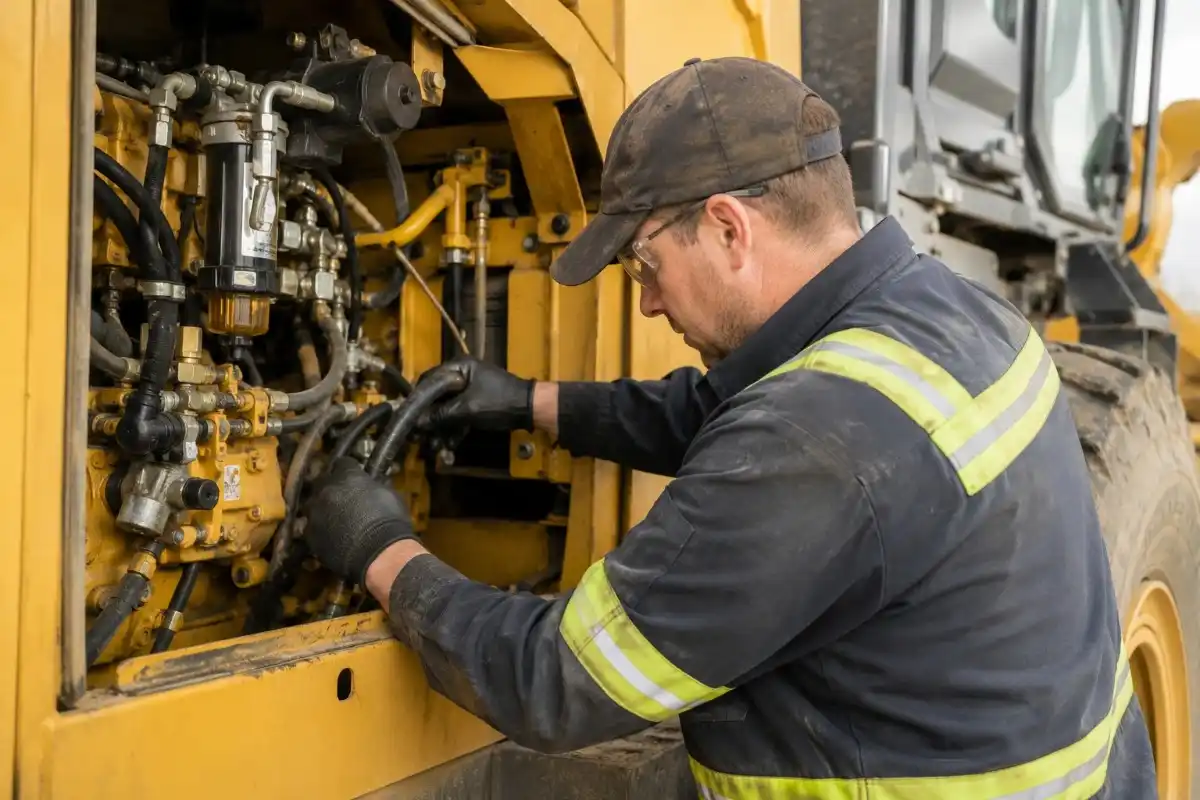
Brisbane’s busy transport and logistics sector relies on gear that works every time you hit the switch. But breakdowns are a reality, and they usually give you a few hints before they happen. Most of the time, the trouble starts with the hydraulic systems or the fuel lines.
If your pressure drops or the fuel flow gets sluggish, your whole operation is going to hit a wall, often leading to urgent hydraulic and fuel system repairs. This ends up causing a chain reaction of delays that eat into your project budget. Most failures start small, but they get worse fast when you’re working them hard every day.
Things like heat, friction, and dirt all wear the system down. Plus, the tough conditions you face during elevated work platform maintenance or hydraulic crane repairs just add more stress. If you ignore a small glitch, it’ll turn into a total shutdown, increasing the need for costly hydraulic and fuel system repairs.
That’s why you really need to know what’s actually causing your hydraulic and fuel system repairs. Being aware of the “why” is the best way to cut down on downtime and protect the expensive gear you’re running across Brisbane’s tough industrial sites.
Common Causes Behind System Failures
Most hydraulic and fuel system repairs come down to a handful of usual suspects. First up is contamination. When dirt, water, or gunk gets into the lines, it ruins the flow and makes internal parts wear out way faster than they’re supposed to.
Overheating is another big one. High heat kills the quality of your fluids and makes the whole system sluggish. On top of that, your hoses and seals get brittle from being baked all day, which leads to leaks and a loss of pressure.
hydraulic and fuel system repairs
Just plain old bad maintenance is a major factor, too. If you skip a service, small problems just sit there and get worse without you noticing. Eventually, those “little” things turn into massive hydraulic and fuel system repairs. We see this a lot with gear used for boom lift and scissor lift servicing because those machines work so hard.
Also, using the wrong fluid can wreck your internal components. If the oil isn’t right, you lose lubrication and increase friction, which means the whole system’s performance is just going to keep dropping.
Warning Signs That Should Never Be Ignored
You’ll usually get some warning signs before a total failure, but it’s easy to miss them when you’re busy. For instance, weird noises often mean there’s air in the system, or something is under too much stress. If you hear that, it’s a good bet that hydraulic and fuel system repairs are on the horizon.
Leaks are another dead giveaway. Even a tiny drip will eventually kill your system pressure. You might also notice the machine just doesn’t have the power it used to. If the movements are getting slow or laggy, you’ve definitely got a pressure issue. Also, any smoke or a heavy smell of fuel usually means you’ve got a combustion problem or a leak somewhere.
Regular inspection helps catch these signals early. According to industry guidelines from SafeWork Australia, proper equipment checks significantly reduce failure risk. If you ignore the signs, you’re looking at a sudden breakdown. Moving fast is the only way to stop a small problem from turning into a massive repair job.
Impact of Environmental and Operational Stress
The climate around Brisbane is actually pretty hard on machines. High humidity means you’re more likely to get moisture in your lines, which makes your hydraulic fluids break down much faster.
Dirt and dust from local building sites also mess with the system. Those particles get inside and act like sandpaper on the components. This is why hydraulic and fuel system repairs tend to happen more often in these environments.
Working heavy loads non-stop just speeds up the wear and tear. Gear used in transport and logistics runs for hours on end, pushing the systems right to the edge. Plus, elevated work platform maintenance deals with high-pressure situations that need everything to be perfect. Without proper care, something is bound to snap.
Constantly changing your loads hits the fuel systems hard, too. Sudden changes in demand mess with the fuel flow, and over time, that imbalance leads to a breakdown.
Maintenance Practices That Prevent Failures
Staying on top of maintenance is the secret to avoiding hydraulic and fuel system repairs. Regular checks help find the small stuff before it gets out of hand. Techs will usually look at your fluid levels, pressure, and the general state of your parts.
Swapping out your fluids on time is what keeps the performance high. Clean oil cuts down on friction and stops gunk from doing damage. Plus, changing your filters keeps those nasty particles out of the system, reducing the risk of hydraulic and fuel system repairs.
Having a set service schedule makes the whole machine more reliable. Gear used for hydraulic crane repairs really benefits from a solid routine, as it makes the machine last longer and keeps you from having surprise downtime, while also lowering the chances of frequent hydraulic and fuel system repairs.
Testing and calibrating the system makes everything more stable. Getting the adjustments right ensures the machine runs smoothly even with different loads, which boosts your efficiency across the board.
Comparison of Common Failure Causes
|
Cause |
Impact Level |
Repair Frequency | Prevention Difficulty |
| Contamination | High | Frequent |
Moderate |
|
Overheating |
High | Moderate | Moderate |
| Poor Maintenance | Very High | Frequent |
Easy |
|
Incorrect Fluid Usage |
Medium | Occasional | Easy |
| Environmental Exposure | Medium | Moderate |
Hard |
Here is a look at how different factors lead to hydraulic and fuel system repairs. If you focus on prevention, you’ll definitely save money in the long run.
Role of Skilled Technicians in System Reliability
Having an experienced tech on the job is the best way to cut down on hydraulic and fuel system repairs. They know how to diagnose things right the first time. A real pro can spot hidden problems that you’d miss in a basic check-up.
High-end tools allow for very precise testing of flow and pressure rates. These tools help keep the system in balance and running smoothly. Plus, having a pro handle the work stops more damage from happening during fixes, reducing the risk of hydraulic and fuel system repairs.
Techs who handle boom lift and scissor lift servicing really understand how complex these machines are. Their know-how keeps operations safe and efficient. Having that kind of professional support available improves reliability and helps avoid repeated hydraulic and fuel system repairs, which keeps downtime low and productivity high.
Conclusion
Hydraulic and fuel system repairs often result from predictable yet preventable causes. Contamination, overheating, and poor maintenance remain the leading factors. Environmental stress and heavy workloads further intensify system wear.
At the end of the day, catching issues early and staying on top of maintenance is how risk stays low. Paying attention to warning signs keeps operations running smoothly and avoids sudden hydraulic and fuel system repairs. Brisbane’s work sites are tough, so reliable gear is essential, and being proactive is the only smart move.
A solid maintenance plan protects your investment and extends equipment life. Professional support also improves safety and performance across the board. Choosing expert help reduces unexpected breakdowns and limits the need for frequent hydraulic and fuel system repairs, making operations far more dependable.
Contact us today for a custom plan or grab a quote to keep your gear running at its best.
Frequently Asked Questions
-
What causes hydraulic system failure most often?
Dirt and moisture cause most of the failures. Keeping things clean and checking your fluids is the best way to prevent big hydraulic and fuel system repairs.
-
How often should hydraulic systems be serviced?
How often you service depends on how hard you work the machine. Heavy gear needs more frequent checks. Regular care is what stops surprise breakdowns and makes the machine last.
-
Why does fuel system pressure drop?
If your pressure drops, it’s usually a leak or a clogged filter. These things mess up your fuel flow, but an inspection can stop the damage before it gets expensive.
-
Can overheating damage hydraulic systems?
Yes, heat ruins your oil, weakens your seals, and makes the system sluggish. Keeping it cool and changing the fluid is how you avoid a total failure.
-
Are warning signs easy to detect?
You can usually see or hear the signs. Noise, leaks, or slow movement all mean there’s a problem. Catching it early keeps your costs and downtime low.
-
How to reduce repair costs long-term?
Keeping up with maintenance definitely lowers your repair bills. Clean oil, regular checks, and pro servicing make the gear more reliable and stop major failures from happening.