
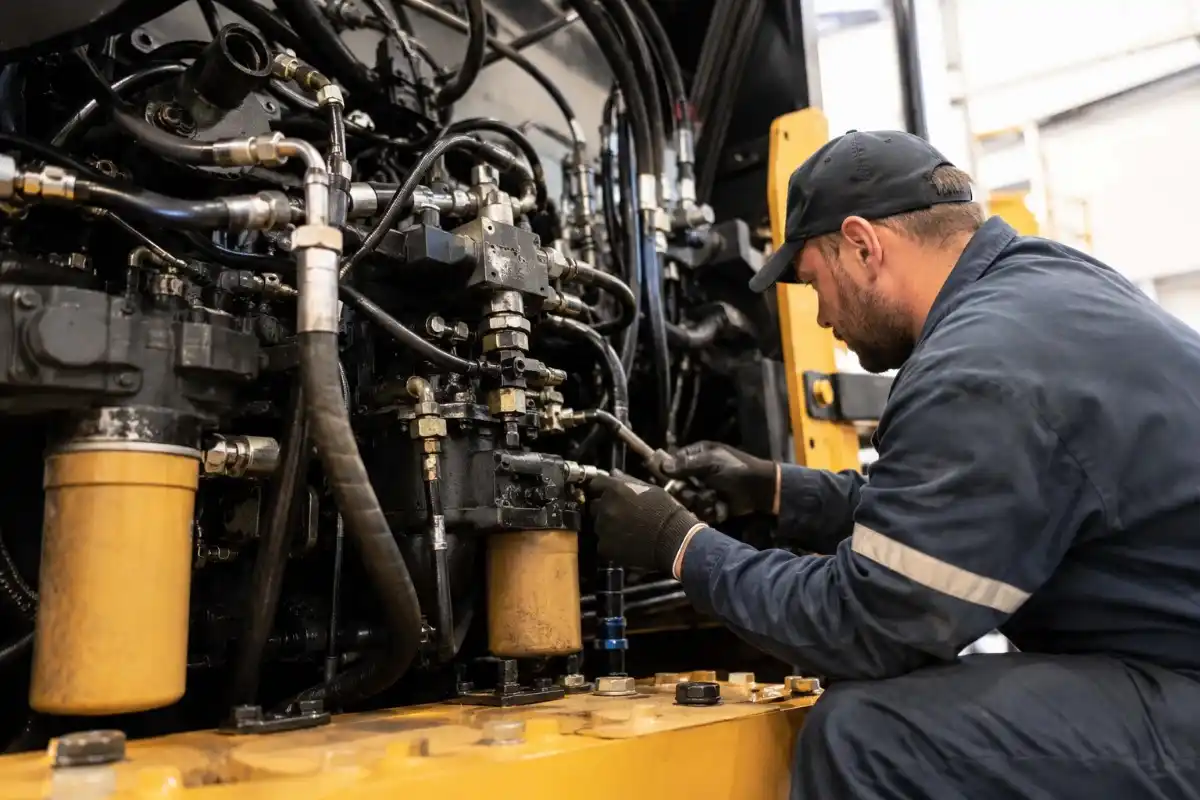
A heavy vehicle inspection check for ensures your truck or bus complies with Australian safety standards and operates reliably. This 2026 guide from BHS Equipment explains what inspectors examine, common issues to watch for, and practical tips to keep your fleet roadworthy.
What a Heavy Vehicle Inspection Covers
A thorough heavy vehicle inspection check for includes multiple critical components to maintain safety and compliance:
Brakes and Air Systems: Inspect brake pads, discs, air lines, and ABS systems.
Steering and Suspension: Check for wear in linkages, ball joints, and shock absorbers.
Lights and Electrical Systems: Test headlights, indicators, brake lights, and wiring.
Tyres and Wheels: Examine tread depth, inflation, and alignment.
Load Security and Chassis: Ensure proper load restraints and structural integrity.
Fluid Levels and Engine Components: Review oil, coolant, and hydraulic systems for leaks or deterioration.
This checklist aligns with standards set by the National Heavy Vehicle Regulator (NHVR), ensuring safety on public roads across Australia.
Common Issues Found During Inspections
Heavy vehicle inspection checks often reveal recurring problems that drivers should address promptly:
Brake Wear or Leaks: Reduced braking efficiency can result from worn pads or air system leaks.
Tyre Damage: Cuts, bulges, and uneven wear compromise safety and fuel efficiency.
Suspension Fatigue: Worn shock absorbers or leaf springs affect stability and ride quality.
Electrical Failures: Non-functioning lights or faulty wiring create compliance risks.
Fluid Leaks: Oil, coolant, or hydraulic leaks can lead to engine damage or roadside breakdowns.
Addressing these issues early reduces downtime, extends vehicle lifespan, and helps avoid costly fines.
Preparing Your Vehicle for an Inspection
To pass a heavy vehicle inspection check for 2026, consider these preparation steps:
Perform a pre-inspection walk-around to identify obvious defects.
Check tyre pressures and tread depth using a gauge.
Ensure all lights, horn, and indicators function correctly.
Top up fluids, including oil, coolant, and brake fluid.
Secure cargo and inspect restraints to comply with load regulations.
Regular maintenance not only improves safety but also streamlines the official inspection process.
When to Call a Professional
While routine checks can be performed by drivers, some inspection elements require professional expertise. BHS Equipment can conduct comprehensive heavy vehicle inspection checks, covering:
Advanced brake and ABS diagnostics
Suspension testing and repairs
Electrical system inspections
Load restraint compliance
If your vehicle shows warning signs such as unusual noises, handling issues, or warning lights, it’s essential to engage a qualified technician to prevent accidents and regulatory breaches.
Conclusion
A heavy vehicle inspection check for is vital for safety, compliance, and operational efficiency in 2026. By following maintenance routines and engaging professionals like BHS Equipment when needed, you can keep your fleet reliable, safe, and road-ready. Stay proactive to avoid costly repairs and fines while ensuring smooth operations.
FAQ
Q1: How often should heavy vehicle inspections be performed?
Inspections are typically required every 6–12 months, depending on vehicle type, usage, and regulatory requirements.
Q2: Can drivers perform their own pre-inspections?
Yes, drivers can conduct basic checks like tyres, lights, and fluid levels, but professional inspections are recommended for compliance-critical components.
Q3: What happens if a vehicle fails an inspection?
Failing an inspection requires repairs before the vehicle can legally operate. Unresolved issues may result in fines or restrictions.
Q4: Are heavy vehicle inspections different in each Australian state?
Standards are largely harmonised under NHVR, but minor variations exist. Always verify local requirements when operating interstate.