
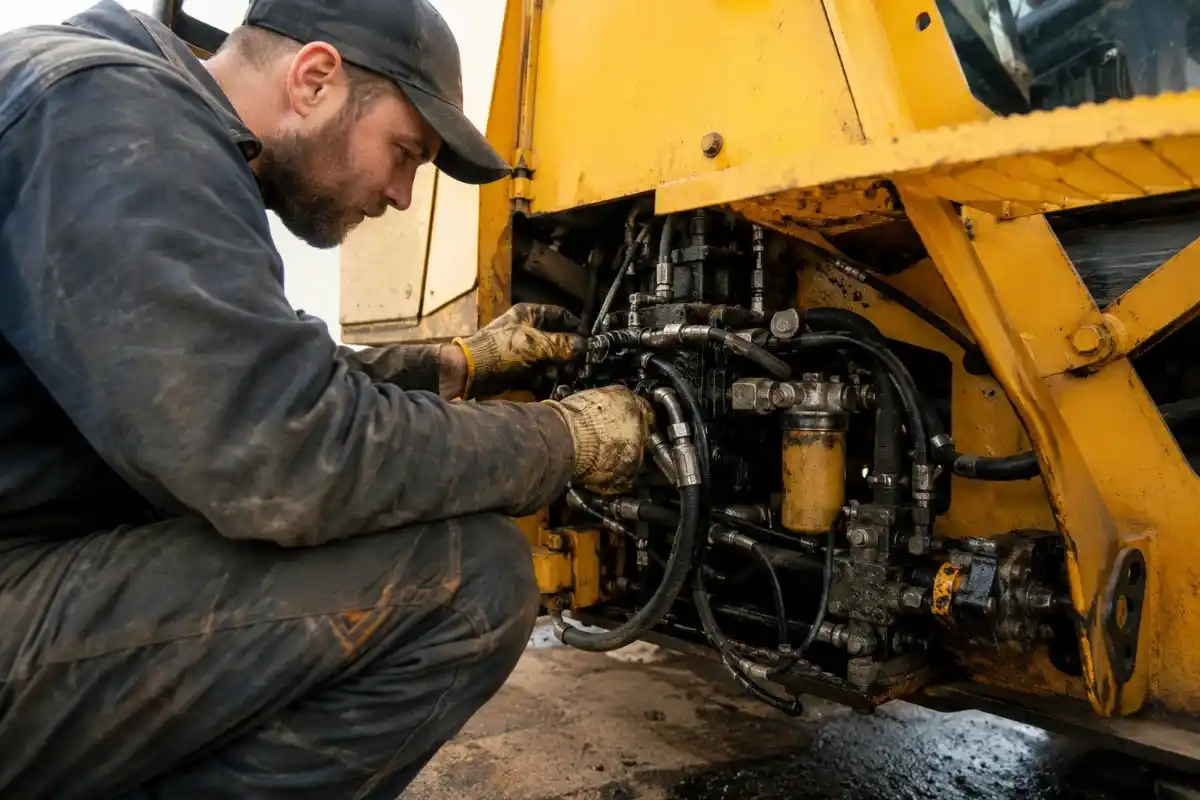
Ever wondered what keeps massive machines moving on Brisbane sites? Think of a forklift lifting a pallet or an elevated work platform reaching new heights. It’s all thanks to hydraulic and fuel systems working smoothly. I reckon hydraulic and fuel system repairs are like check-ups for your equipment’s heart and lungs. When those systems get clogged or leaky, things stall fast! In this article, I’ll break down exactly what these repairs involve and why they’re so important for Aussie businesses.
Hydraulic Systems: The Power Behind the Motion
Hydraulic systems use pressurised fluid to do some heavy lifting (literally). Picture the towering arm of an excavator or the scissor lift at a construction site they all rely on hydraulic pistons and cylinders filled with oil. When you press a pedal or pull a lever, hydraulic fluid pumps through hoses and valves to extend or retract those cylinders, lifting loads or moving parts. This is why hydraulic and fuel system repairs are essential for keeping heavy equipment operating safely and efficiently. In a way, it’s the lifeblood of heavy machinery low fluid or a busted hose, and the machine may just freeze up, making timely hydraulic and fuel system repairs crucial to prevent costly downtime and maintain peak performance.
Common hydraulic repairs include fixing or replacing:
- Hoses and seals: These can wear or crack, causing leaks.
- Pumps and valves: Critical for directing fluid, they need recalibration or repairs if clogged.
- Fluid changes: Old fluid becomes contaminated and loses efficiency. Flushing and refilling prevents corrosion and wear.
Without regular hydraulic and fuel system repairs and hydraulic system checks, debris or air can get into the fluid, causing jerky movements or sudden failures. Ever had your weekend plans ruined by a broken hydraulic pump on Monday? I have! Regular hydraulic and fuel system repairs and service (think yearly check-ups or after every few thousand hours of use) can catch issues early. Even Safe Work guidelines stress this industrial lift trucks should be serviced and maintained regularly, at least once every 12 months.
Fuel Systems: The Engines’ Lifeline
Just like humans need oxygen, engines need fuel – and the fuel system delivers it. In diesel and petrol engines, hydraulic and fuel system repairs often involve servicing tanks, fuel lines, filters, pumps, and injectors that get gas to the engine’s heart. If air, water or dirt sneaks in, or parts wear out, the engine sputters. A clogged fuel filter or a leaky injector can leave you stranded, making hydraulic and fuel system repairs essential for restoring reliable engine performance.
Aussie harsh conditions think dust in a rural site or salt near the coast can accelerate fuel system wear. That’s why maintenance is key:
- Filters: Regularly replacing filters keeps contaminants out.
- Injector cleaning: Dirty injectors spray fuel unevenly; cleaning them restores smooth running.
- Tank cleanouts: Sediment collects over time. Flushing tanks prevents corrosive sludge.
I remember a project where a simple fuel tank clean ended constant stalling for a client. Sometimes the fix is straightforward, but you need an expert eye. Local diesel mechanics in Brisbane often do full hydraulic and fuel system repairs inspections and fuel checks when they perform engine tune-ups. Comprehensive hydraulic and fuel system repairs are a bit like going to your GP for a full physical rather than just treating symptoms better to prevent than panic at breakdown time.
Routine maintenance is the unsung hero of any workshop. Here are a few checklist items for hydraulic and fuel systems:
- Regular inspections: Look for oil leaks, dented hoses or cracked pipes. Even a tiny drip can mean trouble.
- Oil and fluid tests: Check hydraulic oil and engine oil. Milky or dark fluid can signal water ingress or sludge.
- Cleaning components: Keep radiators, air filters and exhausts clean to avoid overheating that stresses fuel and hydraulic systems.
- System bleed and calibration: Removing air from hydraulics (aerated fluid) is crucial so cylinders move predictably.
- Software updates: Modern diesel engines have electronic controls for injection and turbocompound; updates can improve efficiency.
And remember: when we talk maintenance, it doesn’t just mean trucks. Queensland fleets include forklifts, elevated work platforms, earthmoving gear, and mining rigs. Each has its quirks, but all share the need for fresh fluids, tight seals, clean fuel, and hydraulic and fuel system repairs.
A well-oiled forklift not only works better but is safer. For example, a compromised hydraulic brake on a forklift is a recipe for disaster. So a thorough forklift maintenance service isn’t just about uptime, it’s about keeping people safe.
- If you’re running an elevated work platform maintenance program, you likely check hydraulic booms and outriggers regularly. Those sweet spots keep crews aloft.
- On a forklift, service intervals often cover grease points on mast and battery upkeep along with hydraulic checks.
- Even construction gear like skid-steers or mini-excavators benefit from scheduled fluid changes and filter swaps.
Here’s a quick table summarising maintenance checks:
|
Maintenance Task |
Hydraulic System |
Fuel System |
|
Fluid Level Check |
Check hydraulic oil in reservoir | Check diesel/petrol tank levels |
| Leak Inspection | Inspect hoses, valves, cylinders |
Inspect fuel lines, tank seals |
|
Filter Replacement |
Hydraulic filter (per schedule) | Fuel filter (every oil change / 10k km) |
| Component Servicing | Clean/calcify relief valves, pumps |
Clean injectors; service pumps |
|
Environmental Cleaning |
Keep equipment free of debris |
Ensure fuel cap seals and vents clear |
Maintaining these through regular hydraulic and fuel system repairs means fewer breakdowns and surprises. It’s actually a money-saver: you might spend a couple of hundred on a fluid change now, but save thousands by avoiding a full pump rebuild later. Plus, a tip-top hydraulic system can be far more fuel-efficient.
Finding the Right Repair Service in Brisbane
All this tinkering can sound technical, but here’s where choosing the right help is key. If your truck or loader is wheezing, or your fuel gauge is acting weird, get someone who lives and breathes hydraulic and fuel system repairs for heavy vehicles. In Brisbane we’re spoiled with options: mobile teams that roll up to site for mobile diesel repairs Brisbane, workshops specialising in construction equipment repairs Brisbane, or simply a trusted diesel mechanic Brisbane to book.
I often tell mates: look for mechanics who advertise hydraulic and fuel system repairs, hydraulic and injector repairs, or who partner with rig manufacturers. They usually have the gear and know-how. Some big outfits even tout “hydraulic, injector, and fuel system repairs” on their homepage. They’ll carry spare hoses, gaskets and even custom-fit pump parts.
Consider if you need emergency support too. If a crane’s stuck or a truck won’t start on a deadline day, hydraulic and fuel system repairs from a 24/7 breakdown mechanic are worth their weight in gold. (Fun anecdote: once I had a mate who got a late-night mobile diesel fix on-site woke up in the morning to an SMS “Hydraulic leak sealed, you’re good to go.” Landed him at work by sunrise, no sweat.)
In choosing who to call, weigh experience. It’s a niche skill to diagnose whirring noises in hydraulics or that rough idle only a seasoned tech might catch. And of course, you want folks who respect our Aussie standards. Speaking of standards, government and safety bodies often stress that competent service is a must. For instance, a Safe Work Australia guide notes that hydraulics and lift trucks require a preventative maintenance program both for safety and performance. In plain English: Don’t cut corners on a once-a-year check.
Of course, price matters but consider value. The quote for a complete hydraulic and fuel system repairs or fuel system overhaul might sting, but think how much a sudden engine failure costs: time, other parts damaged, and the headache. It’s better to plan it in.
Conclusion: Stay Ahead of Breakdowns
Hydraulic and fuel system repairs might sound like rocket science, but really they’re about the basics: clean lines, tight seals, fresh fluids. Regular hydraulic and fuel system repairs help keep your machines tuned up so you’ll rattle on instead of grinding to a halt. Whether you’re a warehouse operator relying on forklift fleets or a site manager with excavators and cranes, understanding these systems means fewer wrenching moments and more job done.
So, mate, inspect those filters, test those hoses, and yes call a qualified diesel mechanic in Brisbane when in doubt for hydraulic and fuel system repairs. Your equipment will thank you. Feel free to drop a comment if you’ve got a funny maintenance war story or just need some advice. We’re all on this machine-savvy journey together.
FAQs
-
What exactly does a hydraulic system repair involve?
It usually means fixing or replacing leaky hoses, worn cylinders, or faulty pumps. Think swapping out damaged seals, bleeding air from the lines, and topping up clean oil to get the pressure back to spec.
-
How often should I service the fuel system on my diesel truck?
A good rule is to change fuel filters at every major service (say, every 10,000–15,000 km) and get a full fuel system check at least once a year. More often if you operate in dusty or watery environments.
-
Is my forklift’s hydraulic maintenance any different from a truck’s?
The principles are the same – keep fluid clean and levels correct – but forklifts might need more frequent checks because of tight indoor use. Always follow the manufacturer’s schedule. A certified forklift maintenance service shop will guide you.
-
Why use a mobile diesel mechanic?
Mobile mechanics come to you, which means less downtime. If a mine site or farm truck breaks down, they bring tools and parts onsite. It’s ideal for urgent hydraulic or fuel repairs when you can’t afford to tow equipment to a shop.
-
What signs indicate I need fuel system repairs?
Look out for rough idling, loss of power, black smoke, or diesel smell. A clogged filter often makes engines cough or stall. If your engine hesitates under load, it’s probably craving a fuel tune-up.
-
Are these repairs expensive?
It depends on the issue, but early fixes like replacing a hose or filter are relatively cheap. Major repairs, say a fuel pump rebuild, cost more. However, investing in maintenance saves money long-term by preventing catastrophic failures.
-
Can I do any of these checks myself?
Sure, you can keep an eye on fluid levels and look for obvious leaks or wear. But for in-depth work (bleeding hydraulics, calibrating injectors) it’s best to call trained pros. Safety first, especially with high-pressure hydraulics!