
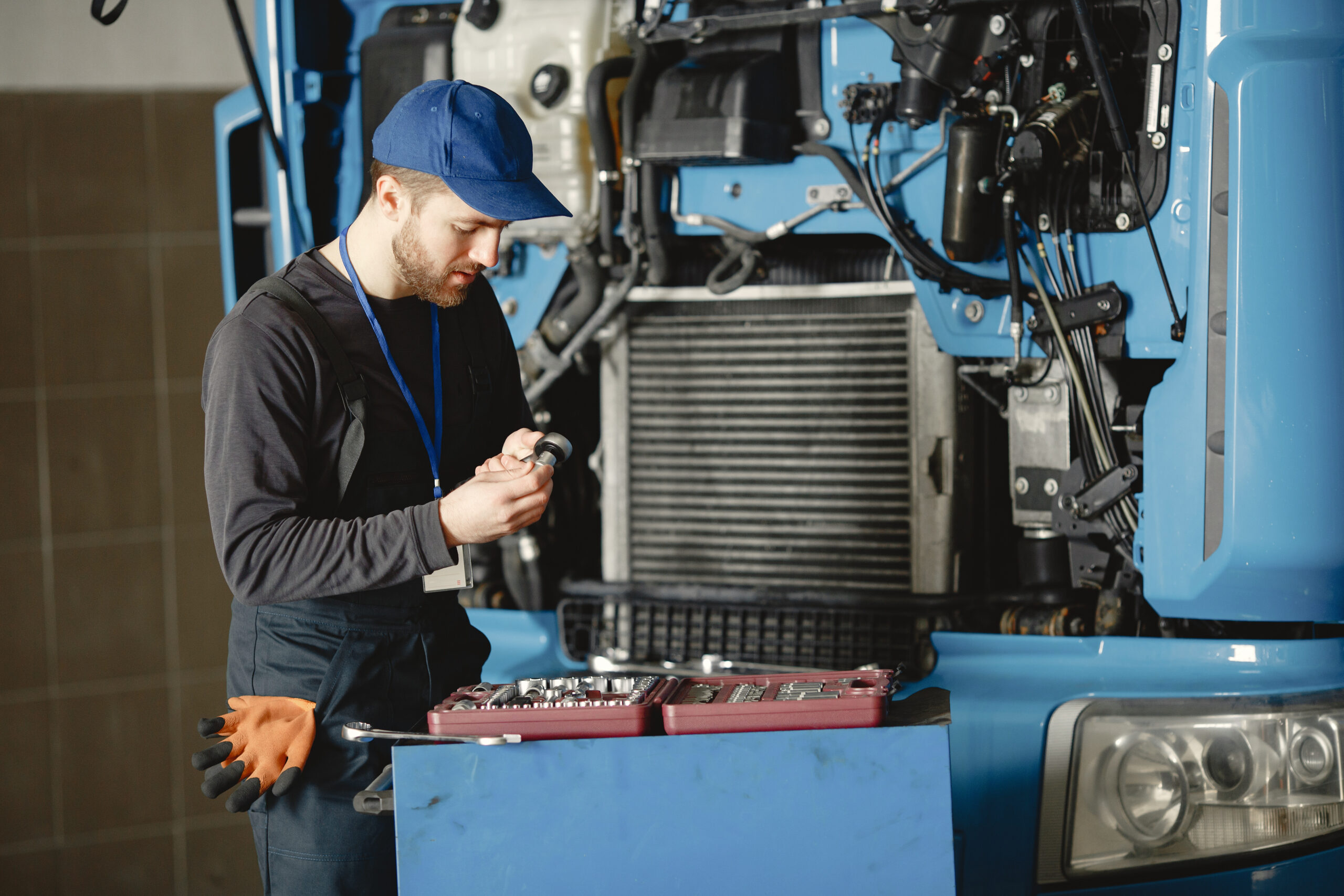
Heavy-duty trucks are the backbone of Australia’s transport, construction, mining, and logistics industries. They cover thousands of kilometres every month, often carrying heavy loads across demanding road conditions.
With constant pressure on critical components, even minor mechanical issues can quickly turn into costly breakdowns, unexpected downtime, and expensive repairs if they are not addressed early. That’s why heavy duty truck repairs and regular maintenance play such an important role in keeping commercial vehicles reliable and roadworthy.
Understanding the most common truck problems before they become major failures can save fleet operators and owner drivers both time and money. From engine overheating and brake wear to transmission issues and suspension damage, recognising the warning signs allows you to schedule heavy duty truck repairs before a small issue develops into a major mechanical failure. Preventive maintenance also improves fuel efficiency, extends vehicle lifespan, and helps businesses avoid costly disruptions.
In this guide, we’ll explore 10 common heavy-duty truck problems, explain what causes them, and share practical tips to help prevent unexpected breakdowns. Whether you manage an entire fleet or operate a single commercial vehicle, investing in timely heavy duty truck repairs and routine servicing is one of the smartest ways to maximise performance, improve safety, and keep your truck on the road for longer.
1. Brake System Breakdowns
Nothing’s more nerve-wracking than brake problems in a loaded rig. Brakes are what stop you from becoming a road hazard, so keeping them in top condition is a vital part of heavy duty truck repairs and ongoing maintenance. Signs of trouble include a squeal or grind when braking, a soft or spongy pedal, or your truck pulling to one side when you hit the brakes.
If the pedal pulses or warning lights flash, don’t ignore it. Even heavy loads need brakes in top shape, and timely heavy duty truck repairs can help prevent costly breakdowns and improve road safety.
- Prevention tips: Check brake pads, drums, and air chambers regularly. Inspect the pads and shoes every few thousand kilometres to look for uneven wear or glazing. Clean out any mud or oil on the brake drums.
- Keep brake fluid topped up and bleed any air from the lines if the pedal feels mushy.
- Replace worn linings before they go thin once they’re worn out, bigger repairs are coming.
- Follow the rules: if you’re stopped for inspection, failing brakes can fail you under the Heavy Vehicle laws. Stay legal and safe.
If you do hit a snag, mobile brake repairs Brisbane mechanics are a godsend especially if you’re at a roadside depot and need it fixed yesterday. Regularly scheduled brake checks mean you avoid those urgent heavy duty truck repairs.
2. Engine Overheating & Cooling Troubles
A dead engine on a hot highway is every truckie’s nightmare. Overheating is one of the most common reasons for heavy duty truck repairs, as it can damage engines faster than a snag on the barbie. In Brisbane’s subtropical climate, cooling systems get a real workout. Keep an eye on temperature gauges and watch for steam, warning lights, or odd smells like antifreeze.
If your turbo or radiator sounds like it’s shouting, take note. Addressing these warning signs early can help you avoid expensive heavy duty truck repairs and keep your truck on the road longer.
- Check coolant levels: This one’s crucial. Refill antifreeze before summer and again before winter err on the safe side. Use the right coolant mix recommended by the engine maker.
- Inspect hoses & belts: Cracked hoses or slipping belts can kill your cooling quick-smart. Add ‘hose check’ to my daily routine before kick-off. A snapped belt on the highway = big trouble.
- Clean radiators: Dust and debris in the radiator fins cut cooling efficiency. Give the radiator a spray or brush on schedule to keep airflow moving.
- Oil & filters: Dirty oil makes engines run hot. Change your engine oil and filter regularly to keep things slick and cool.
Get these right, and heavy duty truck repairs caused by cooling system failures can often be avoided. Around 95% of cooling-related problems are preventable with proper maintenance.
Even if a fan or water pump fails, you can usually limp to a workshop if you catch it early. Keep checking for coolant leaks or overheat warnings because preventing major heavy duty truck repairs is always better than dealing with a totally cooked engine.
3. Electrical System & Ignition Faults
Modern heavy trucks are like computers on wheels, so a dodgy electrical system can be a real pain. Ever had a dim dash, a clicking starter, or a flickering gauge? Faulty wiring, dead batteries, or corroded terminals are usually to blame.
When a semi-truck won’t start, it’s often battery-related or a loose connection. Professional heavy duty truck repairs can quickly diagnose and fix these electrical issues before they lead to costly breakdowns.
- Battery care: Keep battery terminals clean and tight. Check the clamps for corrosion whenever I do any under-hood work. If the battery is a few years old, consider replacing it before it lets you down on the road.
- Starter & alternator: Listen for slow cranking. A weak starter might need a brush or rebuild, but a failing alternator means no charge to the battery to replace it promptly.
- Wiring harnesses: Check for chaffed wires or rodents nibbling in the engine bay. A sudden electrical fault on the highway can point to a pinched wire or a mouse’s dinner.
- Fuses & relays: Keep spare fuses and relays in the cab. Even one small blown fuse can cut power to a brake lamp or a cooling fan, causing bigger headaches.
Electrical hiccups are usually easy to sort if you stay on top of things. Keeping up with the basics means you avoid roadside jump-starts or tow trucks and those dreaded heavy duty truck repairs that come from fried wires or dead sensors.
4. Transmission & Clutch Wear
Shifting smoothly is vital when you’re lugging heavy loads. Heavy duty truck repairs often become necessary when you notice harsh gear changes, a slipping clutch, or hard engagement, as these are your truck’s way of groaning.
Common causes include low transmission oil, worn clutch plates, or bent linkages. Recall one case where a gear change felt like crunching gravel – turned out the clutch cable had frayed and snapped.
- Fluid & filter: Follow the manufacturer’s schedule for gearbox oil changes. Dirty or low fluid kills gear synchros.
- Clutch adjustments: Heavy trucks sometimes need clutch play set correctly. If your pedal is soft or smells like burning every shift, get a diesel mechanic in Brisbane to adjust or replace the clutch.
- Listen for grinding: If gears won’t engage cleanly, stop driving and inspect. Grinding through a worn syncro can chew up the whole gearbox.
- Hydraulic systems: Many rigs have hydraulic clutches. If the clutch is jumpy or the pedal has air, bleed the system after any work air bubbles can cause slipping.
Clutch and gearbox issues are a ticket to downtime if left alone. Fix them early and you keep your rig moving and your schedule on track.
5. Fuel System & Hydraulics
A weak fuel pump, clogged injectors, or a leaky hydraulic line can ruin your day fast, making heavy duty truck repairs more likely and more expensive. In diesel rigs, fuel quality is king: dirty diesel gums up injectors, and water in fuel creates diesel bugs that block filters. And trucks with hydraulics can lose all power with a pinhole leak.
- Fuel filters: Change fuel filters per schedule or sooner if there’s trouble. Once pulled litres of tank sludge out of an injector filter yuck. Keep a spare filter in the truck for quick swaps if the engine starts sputtering.
- Water traps: Drain water separators religiously. Even a bit of water in diesel can corrode fuel pumps.
- Inspect hoses: Look for any hardening, cracks, or kinks in fuel and hydraulic lines. Tiny drips can balloon into big disasters.
- Use the right fluid: Only use recommended diesel and hydraulic fluids. Using the wrong oil or fluid can wreck your system’s seals and internals.
Ignore these, and you’re begging for heavy duty truck repairs. Remember one tipper driver who lost half his hydraulics because a cheap hose seized. Don’t be like that guy keep filters fresh and lines tight. A quick sniff test or audible leak check can save hours of work later.
6. Tire & Wheel Wear
Bald or mismatched tyres can make any trip a gamble. Heavy duty truck repairs often begin with tyre inspections because heavy trucks eat tires, so a pinch or bulge can easily blow out. Uneven wear might mean an alignment or suspension issue. And never skip checking wheel nuts. A loose wheel on a semi-truck is a roadside disaster.
- Pressure checks: Use a gauge. Running heavy loads on under-inflated tyres is a one-way ticket to a blowout. Check pressures daily or before each long haul; it’s a habit that saves lives.
- Visual inspection: Look for cuts, bubbles or embedded nails before each run. Even a small cut in a sidewall should get fixed – it could blow on the freeway.
- Rotate & balance: If your tyres allow, rotate steer tyres to even out wear. Make sure all wheels are balanced and aligned to avoid uneven tread wear.
- Torque wheels: After servicing or at every oil change, re-torque lug nuts. Vibration can loosen them over time. One unscrewed wheel can ruin your day.
Good tyres are your truck’s boots on the ground. Keep them in shape and you avoid a lot of headaches down the road.
7. Suspension & Steering
A clunk under the chassis or wandering steering isn’t just annoying, it’s dangerous. Worn suspension parts and misaligned steering put extra strain on everything and lead to bigger heavy duty truck repairs later.
- Bushing & pin checks: Every month or so, slip under the truck to see if any rubber bushings have cracked or shifted. If the suspension is sloppy, get it tightened up before hitting the highway.
- Shock absorbers: Weak shocks let a loaded trailer bounce. If your truck feels like it’s driving on a trampoline, change those shocks.
- Steering fluid: Low or old power-steering fluid makes turning heavy. Keep it topped up and watch for leaks around the pump or hoses.
- Wheel alignment: If the truck pulls or tyres wear unevenly, have the front end aligned. Brisbane road corrugations can knock alignment out of whack.
Good suspension means less fatigue on the driver and machine. Prompt heavy duty truck repairs are essential if you notice steering or suspension weirdness a loose steering box or bent rod could cause a crash.
8. Exhaust & Emissions
While you might not always hear it, a leaky exhaust or clogged filter can slow an engine. A hole or bad gasket in the exhaust can let fumes leak into your cab and kill power, leading to costly heavy duty truck repairs if left unchecked. Make sure exhaust hangers and pipes stay intact and emissions gear are maintained.
- Inspect for leaks: Look for black soot or holes under the truck. Even a small exhaust leak cuts power and efficiency.
- Mounts and brackets: Vibration can crack mounts. Check that hangers and clamps are solid so the pipes don’t sag or break off.
- After-treatment systems: Many trucks now have diesel particulate filters or SCR units. Keep those working: they usually need cleaning or servicing as per the manual, otherwise you’ll get faults or higher emissions.
A healthy exhaust system helps your engine breathe, while Engine and brake maintenance ensures your truck runs safely and efficiently. Don’t let a rust hole or clogged DPF sneak up on you catch them early to avoid bigger repair bills and wasted fuel.
9. Maintenance & Filters Neglect
This one is obvious, but say it anyway: skipping routine maintenance is a shortcut to constant breakdowns. Fresh oil, clean filters, greased fittings they all add up. If you treat servicing as optional, your heavy duty truck repairs list will only grow.
- Follow the schedule: Stick to the maintenance intervals in your logbook. Oil and filter changes, fuel filter swaps, and greasing points do them on time. Neglect just one step and suddenly engine, transmission, brake, and hydraulic repairs come up.
- Quality parts: Use good filters and fluids. A cheap filter can let debris through and kill an injector or pump.
- Record-keeping: Note every service in a log. It helps you track what’s done and what’s due .
- Pre-trip list: Keep a simple pre-drive checklist of lights, fluids, tires, etc. Spending a few minutes each day on this beats a week’s worth of downtime.
Basically, heavy duty truck repairs often begin with small issues that are left unchecked, so fix small problems before they snowball.
Think of it like catching that tiny coolant leak or loose clamp early one day it’s a drip, the next it’s a boilover on the highway. Trust me, doing maintenance right means you’ll see far fewer big breakdowns and reduce the need for heavy duty truck repairs.
10. Forklift, Earthmoving & Other Equipment
Forklifts: Include them in a forklift maintenance service schedule as part of heavy duty truck repairs and preventative maintenance. Inspect forks for cracks and hydraulic hoses for leaks.
Even small wear on a linkage or pin can cause a drop or spill, so keep pivot points lubricated and bolts tight. Heavy duty truck repairs often identify these early signs of wear before they lead to costly failures. Brisbane warehouses might overlook it, but even a forklift can collapse a load if a pin goes bad.
Earthmoving machines: These workhorses need daily greasing and filter swaps. Heavy duty truck repairs and hiring a qualified diesel earthmoving mechanic are essential for pump rebuilds and track adjustments, as they deal with heavy rigs all day. The harsh conditions in SE Queensland mean dust and moisture can wreck components fast. If something does fail, call an earthmoving equipment repair Brisbane specialist to bounce back quickly.
- Cross-training: If your fleet mixes trucks with construction gear, train everyone a bit on each machine’s quirks. Heavy duty truck repairs can often be reduced when drivers understand proper maintenance and inspection routines. For example, mobile cranes and scissor lifts have very specific boom and safety checks beyond a truck’s routine, helping minimize the need for heavy duty truck repairs.
- Construction experts: For specialised issues, look up heavy duty truck repairs and construction equipment repairs Brisbane. These professionals audit machines and catch things like hydraulic leaks or engine derate codes that a general mechanic might miss.
Conclusion
Look after your rig, and it will look after you. By staying on top of these common issues brakes, engine, fuel, tyres, suspension, and even related equipment you’ll dramatically cut the need for last-minute heavy duty truck repairs.
It’s all about regular checks and quick fixes before small faults turn into big problems. get it: that’s a lot of info, but trust me, it’s worth it when you’re not stranded in the rain waiting for a tow. The road to reliable transport is paved with smart upkeep and quick fixes.
For more help or advice, feel free to Contact Us anytime we’re here to get your fleet rolling again.
FAQs
-
What is the most common issue in heavy duty trucks?
In my experience, brake issues top the list. With heavy loads and tough driving conditions, brake pads and drums wear out faster than any other part. Keeping them clean and well-adjusted usually keeps you out of trouble.
-
How often should heavy trucks be serviced?
Ideally, follow the manufacturer’s schedule, but a good rule of thumb is every 10,000–15,000 km or at least twice a year. For fleets, monthly inspections for safety components (lights, brakes, tires) and full services every few months keep everything on track.
-
Can I do heavy truck repairs myself?
Simple checks you can do. But for complex issues like engine diagnostics, transmission or hydraulic repairs, it’s smarter to call a qualified diesel mechanic Brisbane or mobile service. Tackling major repairs without the right tools or knowledge can lead to more damage.
-
What’s a mobile diesel mechanic?
That’s basically a mechanic that comes to you to fix your truck. Mobile diesel repairs Brisbane services are lifesavers if you break down far from a workshop, especially in emergencies.
-
Why is preventative maintenance important?
Simple: it prevents breakdowns. Fixing small issues early is cheaper and safer. Regular maintenance helps you avoid unexpected failures that cost big money and downtime. A stitch in time saves nine, as they say
-
How do I choose a truck repair service?
Look for experience with heavy vehicles, good reviews, and 24/7 support. Many Brisbane fleets use mobile services for convenience. Make sure the shop or mechanic is licensed and uses quality parts. We're a 24/7 mobile diesel mechanic team in Brisbane who believe in honest, expert service check out our Contact Us if you need us.