
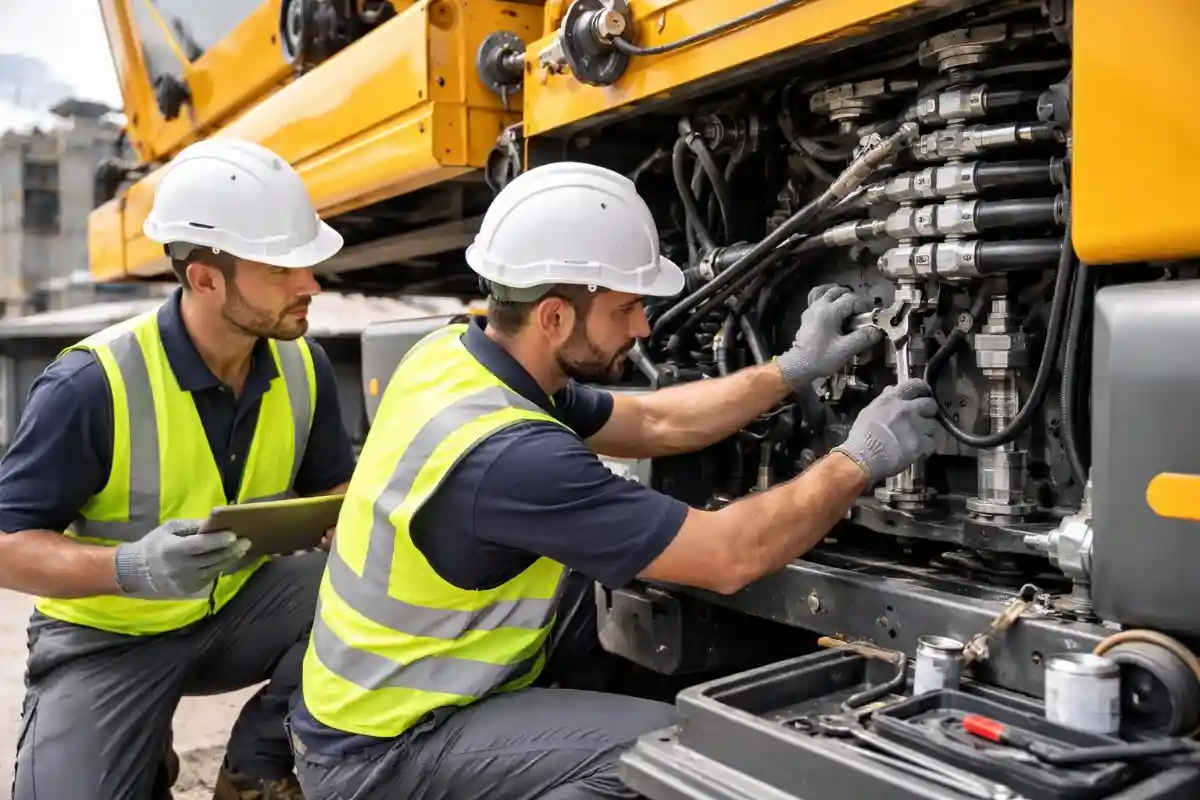
Hydraulic cranes work under demanding conditions, lifting heavy loads across construction, civil, logistics and industrial sites. In Brisbane, equipment may move between projects and operate through changing conditions, so neglected hydraulics can quickly become an operational problem.
Routine maintenance is one of the most practical ways to reduce hydraulic crane repairs because it helps identify leaks, contamination, wear and performance changes before they become serious failures.
Why Are Hydraulic Crane Repairs Often Linked to Poor Maintenance?
A crane’s hydraulic system depends on clean fluid, correct pressure and reliable pumps, valves, hoses, cylinders and seals. When maintenance is delayed, small defects can become larger faults. A minor hose leak can cause fluid loss, while a worn seal can reduce cylinder efficiency and place additional strain on other components.
Regular hydraulic crane maintenance gives operators and technicians an opportunity to find these conditions early. Rather than waiting for poor lifting performance or a complete breakdown, faults can be assessed while they are still manageable. This preventive approach can reduce the frequency and severity of hydraulic crane repairs over the working life of the equipment.
What Does Effective Hydraulic Crane Maintenance Include for Hydraulic Crane Repairs?
A practical maintenance programme should follow the crane manufacturer’s instructions, operating conditions and recommendations from a competent person. Safe Work Australia explains that cranes should be inspected, tested, maintained and repaired appropriately, using manufacturer instructions or competent-person specifications where required.
For Brisbane operators, maintenance may also need to account for dust, moisture, heat, transport between sites and intensive lifting cycles. A crane used daily may need closer monitoring than equipment with light or occasional use.
Key Maintenance Areas That Prevent Hydraulic Crane Repairs
Hydraulic Fluid and Filtration
Hydraulic oil is central to system performance. Incorrect fluid, low fluid levels or contaminated oil can affect pumps, valves and actuators. Filters should be inspected and replaced according to manufacturer requirements, while fluid conditions should be monitored for contamination or unusual changes.
Clean fluid helps components operate within their intended conditions and can reduce unnecessary wear, helping operators avoid hydraulic system repairs linked to lubrication and contamination problems.
Hoses, Fittings and Connections
Hoses deteriorate through abrasion, heat, pressure cycles and age. Fittings can loosen and seals may begin to leak. During inspections, technicians should look for cracks, bulges, wet areas, damaged covers, distorted fittings and signs of rubbing.
Early attention to these defects can prevent sudden hose failure and reduce emergency hydraulic crane repairs that interrupt lifting work and create unplanned downtime.
Cylinders and Seals
Hydraulic cylinders turn fluid pressure into controlled movement. Damaged rods, worn seals and internal leakage can affect extension, retraction and load-control performance. Routine checks can reveal oil around seals, scoring on rods or changes in movement before a larger failure develops.
Pumps, Valves and Pressure
The pump creates hydraulic flow, while valves control how that flow is directed and regulated. Abnormal noise, excessive heat, pressure fluctuations or sluggish movement can indicate a developing fault.
Appropriate diagnostic testing can assess pressure and system behaviour. This supports hydraulic crane troubleshooting and helps identify the actual source of a problem rather than replacing parts based only on symptoms.
How Can Routine Inspections Prevent Hydraulic Crane Repairs?
A consistent inspection schedule creates a record of how the crane performs over time. Previous service dates, operating hours, inspection findings and pressure readings can make gradual changes easier to recognize.
Operators should report unusual movement, unexpected noise, fluid leakage, slow response or changes in lifting behavior. When operator feedback is combined with inspection records, hydraulic crane repairs can often be planned before a breakdown occurs.
Safe Work Australia recommends preventative inspection, maintenance and testing programs for cranes and says inspections should be completed by a competent person where required. For detailed reference, see the government’s crane maintenance guidance, which provides practical information on inspecting, testing, maintaining and repairing cranes.
The Cost Advantage of Preventive Hydraulic Crane Maintenance and Hydraulic Crane Repairs
Preventive maintenance does not eliminate every breakdown, but it makes equipment problems more predictable. Planned servicing allows businesses to schedule labor and parts around operational needs instead of reacting to an unexpected failure.
|
Area |
Routine Maintenance |
Reactive Repairs |
| Fault detection | Finds developing wear early |
Usually follows a failure or symptom |
|
Downtime |
Can often be scheduled | May occur unexpectedly |
| Parts planning | More time to source components |
May require urgent sourcing |
|
System condition |
Monitored over time | Assessed after performance declines |
| Repair scope | Often more targeted |
Can become extensive if damage spreads |
The aim is not to avoid necessary repairs. Planned decisions can make hydraulic crane repairs more controlled and predictable. Routine maintenance and timely repair should work together: prevention limits avoidable failures, while repair addresses defects that have already developed.
Why Is Hydraulic Crane Servicing Important in Brisbane?
Brisbane’s construction and industrial environments can expose cranes to changing workloads, dust, moisture and frequent site travel. These factors make consistent hydraulic crane servicing valuable for preventing hydraulic crane repairs.
A service programmed should consider operating hours, load cycles, environmental exposure and equipment age. Maintenance intervals should not be based only on the calendar. A crane working intensive shifts may need more frequent attention than one used occasionally.
Signs That a Crane Needs Attention
Even with a planned schedule, operators should pay attention to changes during normal operation:
- Hydraulic oil leaks or unexplained fluid loss
- Slower lifting, lowering or slewing movements
- Unusual pump or valve noise
- Excessive hydraulic oil temperature
- Jerky cylinder movement
- Damaged or bulging hoses
- Pressure changes or inconsistent operation
- Visible wear around fittings and seals
These signs do not identify a fault by themselves. They indicate that the equipment should be assessed using suitable diagnostic procedures. Continuing to operate with a suspected hydraulic defect can allow a relatively small issue to become a more serious hydraulic crane repairs
How Can Hydraulic Crane Troubleshooting Reduce Downtime?
Effective troubleshooting starts with symptoms rather than assumptions. Slow movement, for example, could result from fluid problems, restricted flow, pressure loss, a valve issue or another mechanical condition. Replacing a component without testing may fail to address the underlying cause.
A structured diagnostic process can include checking fluid level and condition, inspecting hoses and fittings, checking filters, measuring system pressure where appropriate and examining components for physical damage. The exact procedure depends on the crane design and manufacturer requirements.
This approach can make hydraulic crane repairs more accurate and reduce unnecessary component replacement. It also provides useful information for future maintenance planning.
Choosing the Right Approach to Hydraulic Equipment Repairs and Hydraulic Crane Repairs
Not every hydraulic problem requires the same response. Some faults involve a seal, hose or fitting, while others affect pumps, cylinders, control valves or associated mechanical systems. The repair method should match the cause and severity of the fault.
Hydraulic equipment repairs should be documented with the work completed, parts replaced, test results and recommendations for follow-up inspection. Good records can reveal recurring problems and give technicians a clearer view of the crane’s condition.
The Role of Hydraulic Crane System Maintenance in Preventing Hydraulic Crane Repairs
Hydraulic crane system maintenance is not simply about changing oil or replacing filters. It involves monitoring the hydraulic circuit and understanding how individual components affect one another.
A neglected leak can reduce fluid levels. Contaminated fluid can accelerate component wear. A worn pump may affect system pressure, while a failing valve can change actuator performance. Because these components interact, early intervention can protect connected parts and limit the scope of future hydraulic crane repairs.
Good maintenance also supports hydraulic machinery repairs by giving technicians a clearer history of operating conditions and previous faults. This is particularly useful for older cranes where repeated symptoms may indicate an underlying issue.
How Can Businesses Build a Practical Maintenance Schedule?
A practical schedule can divide work into pre-operational checks, periodic inspections and manufacturer-recommended servicing. Operators can complete basic visual observations, while technical inspection, testing and repair should be assigned to suitably competent personnel.
The schedule should record operating hours, inspections, fluid and filter changes, identified defects, repairs and outstanding recommendations. If a recurring fault appears, the maintenance plan can be adjusted to investigate its cause rather than repeatedly treating the symptom.
For Brisbane businesses, documented maintenance is especially useful when cranes are shared across teams or moved between work sites. Everyone involved can see what was checked, what was repaired and what needs attention next.
Final Thoughts
Routine maintenance cannot prevent every mechanical or hydraulic failure, but it can improve the ability to detect problems early. Regular hydraulic crane maintenance helps monitor fluid condition, hoses, cylinders, pumps, valves and connections before minor defects develop into major faults. This can reduce avoidable downtime and support safer, more predictable equipment operation.
For organizations that depend on lifting equipment, prevention is generally more manageable than an unexpected breakdown. Planned inspections, accurate records and prompt hydraulic crane repairs can work together to protect equipment performance and extend useful service life.
If your crane requires inspection, servicing or repairs in Brisbane, contact BHS Equipment today to discuss the equipment’s requirements and arrange the appropriate service support. You can also review the company’s equipment service information for an overview of heavy-equipment support.
FAQs
1. How often should a hydraulic crane be maintained?
Maintenance intervals should follow the manufacturer’s instructions and account for operating conditions, usage and inspection findings. Competent-person recommendations may also apply.
2. What are common causes of hydraulic crane repairs?
Common causes include contaminated or unsuitable fluid, worn seals, damaged hoses, pressure problems, valve faults, pump wear and inadequate maintenance.
3. Can routine maintenance prevent crane breakdowns?
It can reduce the likelihood of avoidable failures by identifying developing defects early. It cannot eliminate every breakdown, particularly where unexpected component failure occurs.
4. What are signs of a hydraulic problem?
Leaks, slow or jerky movements, unusual noise, excessive heat and inconsistent pressure can indicate a hydraulic issue that needs assessment.
5. Why is professional hydraulic crane servicing important?
Technical inspection and testing require appropriate knowledge, procedures and equipment. Following manufacturer requirements and competent-person guidance helps ensure maintenance is carried out appropriately.