
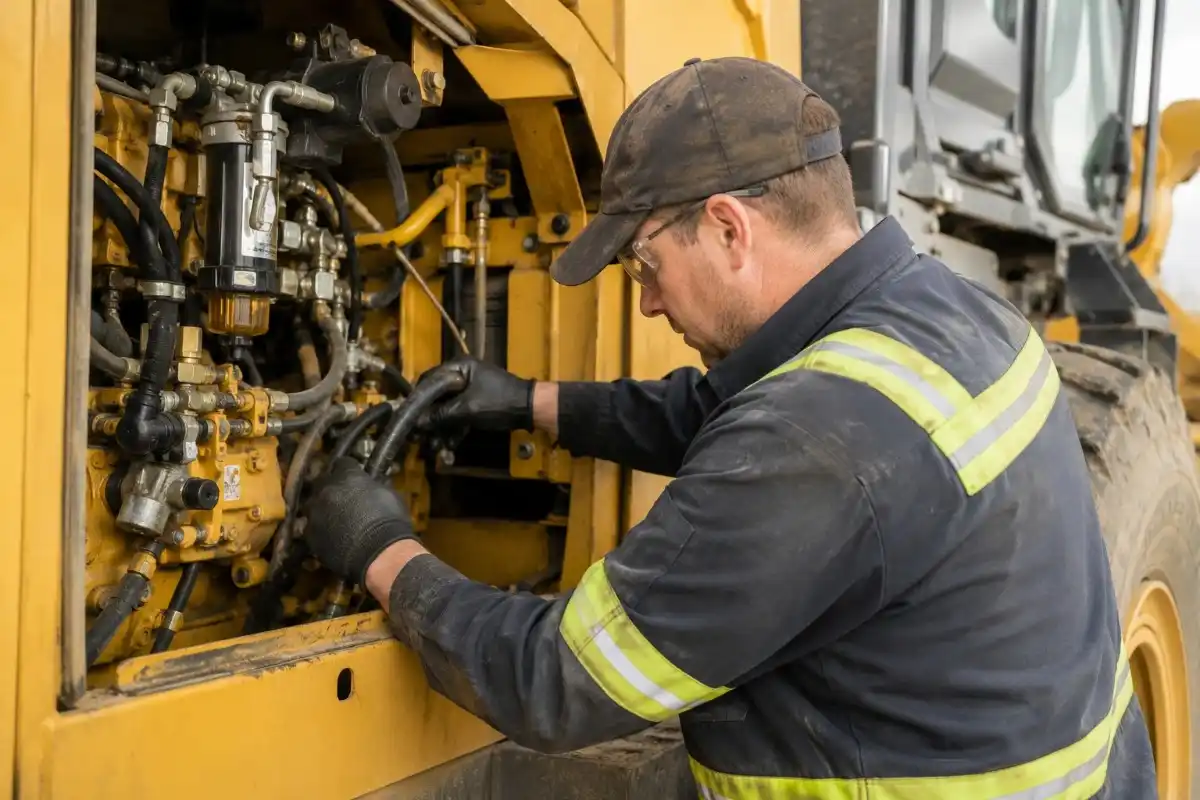
Heavy machinery rarely gives you a convenient time to break down. A hydraulic hose can start leaking halfway through a job, a fuel pump can cause an engine to lose power, or a small fault can gradually turn into a much bigger repair.
For Brisbane businesses that rely on trucks, forklifts, cranes, earthmoving machinery and other equipment, keeping these systems in good condition matters. Professional hydraulic and fuel system repairs can restore equipment performance, address faults properly and help reduce unnecessary downtime.
Hydraulic and fuel systems also have very different jobs, but problems with either one can affect productivity. Hydraulic faults can interfere with lifting, steering or movement, while fuel-system issues can make an engine difficult to start or reduce its power. Knowing what to look for and getting the right repair at the right time can make a noticeable difference.
Why Are Hydraulic and Fuel System Repairs Important?
Hydraulic systems are responsible for transferring power through pressurised fluid. They are used in cylinders, motors, pumps, valves and other components that allow heavy machinery to lift, move and operate attachments.
Fuel systems have another role. They deliver fuel to the engine in the quantity and manner needed for combustion. Filters, pumps, injectors, fuel lines and other components all need to work together.
A fault in either system can affect the way a machine performs. That is why hydraulic and fuel system repairs should not simply focus on replacing the component that has failed. Finding out why the problem happened in the first place can help prevent the same issue from returning.
For a business, this can mean fewer interruptions, better equipment availability and more predictable maintenance costs.
What Is Included in Hydraulic and Fuel System Repairs?
There is no single repair procedure that suits every machine. The work depends on the equipment, the fault and how the machine is being used.
A technician will generally start by discussing the symptoms with the operator and inspecting the affected system. Further testing may then be required to locate the source of the problem.
Depending on the situation, hydraulic and fuel system repairs may involve checking hoses, fittings, pumps, cylinders, valves, filters, injectors, fuel lines and other related components.
A repair may be fairly straightforward, such as replacing a damaged hose or filter. Other jobs can involve detailed fault-finding before a worn pump, injector or valve can be confirmed as the cause.
The important point is that the repair should address the actual problem rather than relying on guesswork.
How Can Hydraulic System Repairs Improve Equipment Performance?
Hydraulic equipment works under pressure, often while handling substantial loads. A damaged hose, leaking fitting or worn seal may therefore have a direct effect on machine performance.
You may notice that a hydraulic function has become slower than usual. A loader might take longer to lift, a crane could respond differently, or an attachment may not operate with the same force it once did.
Professional hydraulic and fuel system repairs can help locate the cause of these changes. Depending on the fault, the solution may involve repairing a leak, replacing a damaged hose, servicing a pump or addressing a valve or cylinder problem.
Hydraulic leaks deserve particular attention. Apart from affecting performance, escaping fluid can create a slippery work area and may indicate that another component is deteriorating.
What Are the Signs of a Fuel System Problem?
Fuel-system faults are often noticed through changes in engine behaviour rather than visible damage.
A diesel engine that normally starts quickly may begin taking longer to fire. It may also struggle under load, lose power or run unevenly. In some cases, fuel consumption can change or exhaust smoke may become more noticeable.
These symptoms do not automatically mean the injector or fuel pump has failed. Filters, fuel contamination, fuel lines and other parts can produce similar symptoms.
That is why proper hydraulic and fuel system repairs begin with diagnosis. Testing the system before replacing expensive components can help narrow down the real cause and avoid unnecessary repair work.
Common Warning Signs Worth Investigating
Some problems are easy to notice, while others develop gradually. Operators who spend time around machinery are often the first people to notice that something does not feel right.
Watch for:
- Hydraulic oil around hoses, fittings or cylinders, slow or uneven machine movement, unusual hydraulic noises, difficulty starting, reduced engine power, rough running or a noticeable change in fuel consumption.
None of these signs should be treated as a definite diagnosis. They are reasons to have the machine inspected, particularly if the change is getting worse.
Ignoring an early warning can also make the eventual repair more complicated. A small leak, for example, may place additional strain on a hydraulic system if the machine continues operating with insufficient fluid.
Why Is Hydraulic System Maintenance Worth Doing?
It is tempting to think about maintenance only when equipment stops working. In practice, regular checks can make faults easier to spot while they are still manageable.
Hydraulic and fuel system repairs are often less disruptive when problems are found during planned inspections rather than during an unexpected breakdown.
Hydraulic system maintenance may include checking fluid levels and condition, inspecting hoses and fittings, looking for leaks and checking filters and other components against the manufacturer’s service requirements.
The working environment also matters. Equipment operating around construction sites, dust, heat and heavy loads can experience more wear than machinery used occasionally in a controlled environment.
WorkSafe Queensland provides guidance on hydraulic hazards and the importance of managing risks associated with plant and hydraulic equipment. For further information, its hydraulics safety guidance explains key safety considerations when machinery is being inspected, serviced or repaired.
When Should Fuel System Maintenance Be Considered?
Fuel-system maintenance is another area where routine attention can save trouble later.
Filters need to be replaced according to the equipment manufacturer’s recommendations. Fuel lines, connections and other accessible components should also be checked for signs of deterioration.
Fuel quality is worth considering as well. Contaminated fuel can affect sensitive components and may contribute to poor engine performance. If contamination is suspected, carrying on with normal operation may increase the extent of the problem.
Good fuel system maintenance does not guarantee that a machine will never develop a fault. It does, however, give operators a better chance of identifying problems before they become major failures.
How Do Professional Repairs Help Reduce Downtime?
Downtime is not always measured by the number on an invoice. A machine sitting unused can hold up deliveries, delay a construction task or leave other workers waiting.
This is one reason professional hydraulic and fuel system repairs can be valuable for businesses that depend on their equipment every day.
A structured diagnosis can reduce the time spent replacing parts that were not responsible for the original problem. Once the fault is identified, the technician can determine what needs to be repaired or replaced and whether other parts should be checked at the same time.
For mobile equipment, having access to onsite support can be particularly useful. A suitable repair carried out at the worksite may prevent the additional time and cost associated with transporting a large machine to another location.
What Problems Can Professional Hydraulic Repairs Address?
Hydraulic equipment can experience a wide range of faults. Some are caused by normal wear, while others can be linked to operating conditions, damaged components or poor maintenance.
The following table gives a simple overview:
|
Problem |
What you may notice |
Possible area to inspect |
|
Hydraulic leak |
Oil around equipment | Hose, seal or fitting |
| Slow movement | Longer operating cycles |
Pump, valve or pressure |
|
Weak lifting |
Reduced load capacity | Pump, cylinder or pressure |
| Engine power loss | Poor performance under load |
Fuel delivery or injectors |
|
Hard starting |
Longer cranking time | Filter, pump or fuel supply |
| Unusual noise | Whining or abnormal sounds |
Pump, fluid or restriction |
This is only a starting point. Similar symptoms can come from different faults, so proper testing remains important.
Why Is Safety Important During Hydraulic Repairs?
Hydraulic equipment can contain considerable stored energy. A component may appear inactive while pressure remains within part of the system.
For that reason, hydraulic repairs should not be treated like a simple mechanical adjustment. Equipment needs to be made safe before work begins, and appropriate isolation and pressure-release procedures should be followed.
WorkSafe Queensland highlights the risks associated with hydraulic systems, including unexpected movement and stored energy. Following manufacturer instructions and using competent personnel for inspection and repair can help reduce these risks.
Fuel systems also require care. Fuel leaks, contaminated components and incorrect handling can create additional hazards, particularly around hot machinery or ignition sources.
Safety should therefore be considered part of the repair process, rather than something added after the job is finished.
How Can the Right Repair Service Make a Difference?
Choosing a repair provider is about more than finding someone who can replace a hose or component. The provider should have experience with the type of equipment being worked on and understand the systems involved.
For hydraulic and fuel system repairs, it is useful to ask how faults are diagnosed, whether mobile repair support is available and whether the equipment is tested after the work has been completed.
It can also help to keep records of recurring problems. If the same hose, injector or hydraulic component repeatedly fails, there may be an underlying issue that needs to be investigated.
BHS Equipment provides repair and maintenance support for a range of heavy equipment and offers mobile services across Brisbane. Its services cover areas including hydraulic repairs, fuel-system work, diagnostics, preventative maintenance and breakdown support.
What Are the Long-Term Benefits of Professional Repairs?
The immediate goal of a repair is usually simple: get the machine working again. There can be longer-term benefits as well.
Well-maintained equipment is easier to monitor, and recurring problems are more likely to be identified when servicing and repair work is properly recorded.
Professional hydraulic and fuel system repairs can also help protect components that might otherwise be affected by a developing fault. Fixing a hydraulic leak early, for example, may prevent continued fluid loss and associated performance problems.
Likewise, addressing a fuel-delivery issue early may help prevent continued poor engine operation.
The result is not necessarily that every breakdown will be avoided. Rather, the business has a better opportunity to manage equipment conditions instead of continually reacting to failures.
Choosing Hydraulic and Fuel System Repairs in Brisbane
Brisbane equipment can be used across construction sites, transport operations, warehouses, workshops and other demanding environments. The repair requirements can therefore vary considerably from one business to another.
A small hydraulic leak on a forklift may require a different response from a hydraulic fault on an earthmoving machine. Likewise, a truck experiencing hard starting needs a different diagnostic approach from machinery suffering a complete fuel-system failure.
Professional hydraulic and fuel system repairs should take these differences into account.
It is also worth considering response time when choosing a repair provider. For businesses operating valuable equipment, access to mobile repair support can be useful when moving a machine is difficult or impractical.
Final Thoughts
Hydraulic and fuel systems are easy to overlook when equipment is operating normally. Once a problem appears, however, the effect can be immediate. A leaking hose, failing injector, blocked filter or hydraulic fault can interrupt work and create additional costs.
Professional hydraulic and fuel system repairs provide a practical way to deal with these problems while also looking for the reason behind the failure. Combined with sensible maintenance and regular inspections, the right repair approach can help Brisbane businesses keep their equipment reliable and ready for work.
If your machinery is showing signs of a hydraulic or fuel-system problem, talk to BHS Equipment about inspection, repair and maintenance support suited to your equipment.
Frequently Asked Questions
1. What are the most common hydraulic system problems?
Leaks, damaged hoses, worn seals, faulty valves, pump problems and cylinder issues are common hydraulic faults. Slow or inconsistent equipment movement can be an early indication that something needs attention.
2. What are common signs of a fuel system fault?
Hard starting, reduced engine power, rough running, poor throttle response and unusual exhaust smoke can indicate a fuel-system problem. Proper testing is needed to identify the exact cause.
3. How often should hydraulic systems be checked?
The correct interval depends on the machine and the manufacturer’s recommendations. Equipment used frequently or in demanding environments may benefit from more regular inspections.
4. Can hydraulic repairs be completed onsite?
Some hydraulic repairs, including certain hose and fitting replacements, can be completed onsite depending on the equipment and fault. More complex repairs may require workshop attention.
5. Why should hydraulic and fuel faults be diagnosed professionally?
Similar symptoms can have several causes. Professional diagnosis helps identify the actual source of the problem, reducing unnecessary parts replacement and helping prevent the fault from returning.