
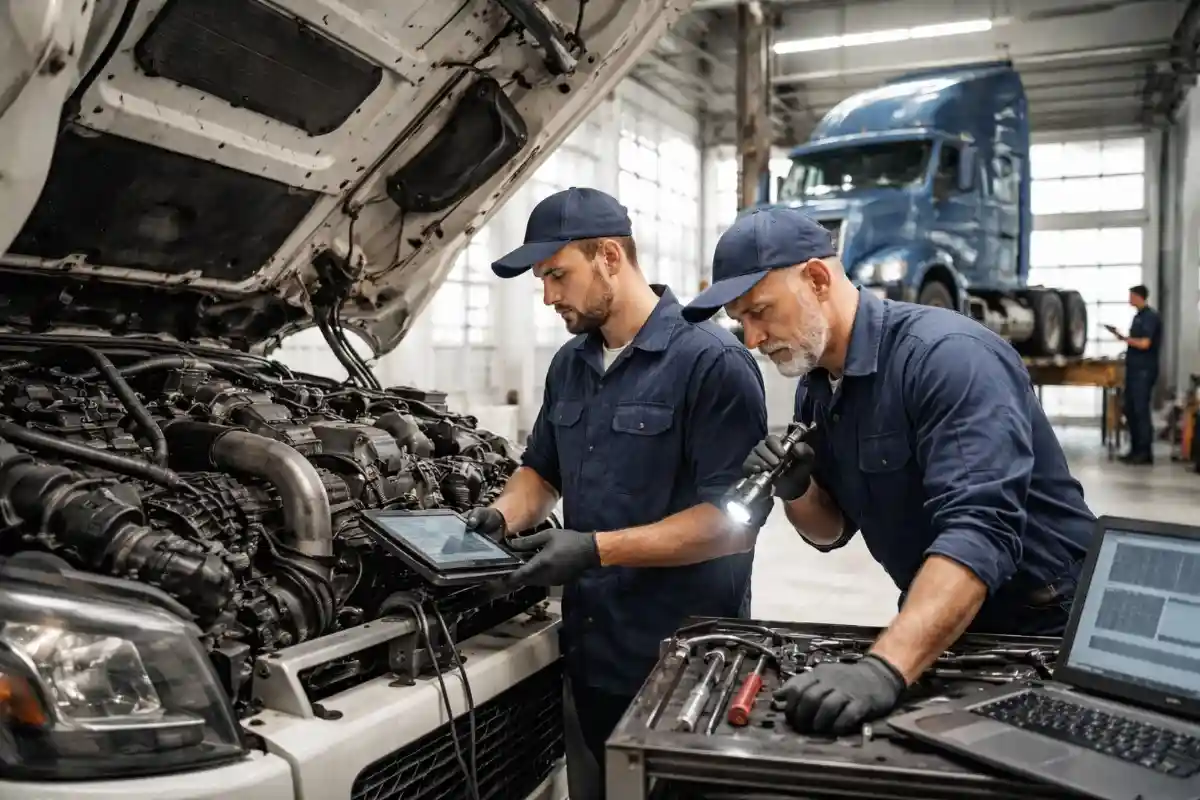
Heavy vehicles keep Brisbane moving. From freight corridors to construction zones, every load depends on machines that rarely get a second chance to fail.
When something goes wrong, guessing is not an option. This is where a Heavy Truck Mechanic steps in, armed with process, experience, and precision. Modern trucks are rolling systems of steel, software, hydraulics, and pressure. Diagnosing faults today is less about instinct alone and more about reading patterns, data, and mechanical behaviour.
In Brisbane’s fast-paced hydraulic and fuel system repairs sector, accurate diagnostics protect uptime, safety, and profit margins.
The Shift From Spanners to Systems
Heavy trucks once relied on simple mechanical logic. That era is gone. Today’s rigs are complex networks in which a single fault can ripple across multiple systems.
A Heavy Truck Mechanic now works across:
- Engine management systems
- Electronic braking controls
- Emissions technology
- Hydraulic and fuel delivery networks
This shift has changed diagnostics into a structured investigation rather than trial-and-error repairs. Faults are isolated, confirmed, and resolved with intent.
Understanding the Symptoms
Every diagnosis begins with observation. Sounds, vibrations, performance drops, warning lights, or fuel inefficiencies all point in specific directions. An experienced heavy truck mechanic read symptoms like a language. A delayed gear change might hint at pressure loss. Excessive exhaust heat may suggest a fuel imbalance. These initial red flags help us narrow the search long before we even crack open the toolbox.
In Brisbane fleets, where downtime impacts delivery schedules, early symptom recognition saves hours of labour and thousands in lost productivity.
Electronic Diagnostics and Scan Tools
Modern rigs are basically rolling computers, constantly chatting through onboard systems. Diagnostic scanners act as the translator, turning cryptic fault codes into something a mechanic can actually use.
A Heavy Truck Mechanic leans on these tools to:
- Tap into engine control modules
- Dig through fault histories
- Track live data while the engine is under load
- Pinpoint exactly which sensors have given up the ghost
However, a scan tool is just a compass; it shows you the direction, not the destination. A code tells you where the pain is, but it doesn’t always tell you what’s causing it. It takes a seasoned eye to figure out if you’re looking at a component failure or just a ghost in the machine caused by a frayed wire or the Queensland humidity.
Mechanical Testing Still Matters
Software might guide the process, but physical testing is what confirms the truth. Things like pressure tests, compression checks, and leak-down analysis are still the bread and butter of the workshop.
Getting hands-on with hydraulic lines, fuel injectors, and pumps shows how systems are actually performing under real conditions, something every experienced Heavy Truck Mechanic relies on. This is a big deal for hydraulic and fuel systems repairs, where even a tiny drop in pressure can make a truck feel like it’s dragging a literal anchor.
Combining digital data with a good old-fashioned visual inspection is the only way to be 100% sure. Software can’t always “feel” a seal that’s about to perish or a hose that’s starting to fatigue. Physical checks catch those early-stage issues before they ever trigger a dashboard warning.
They also help us figure out if an electronic fault is real or if the sensors are just reacting to heat stress, vibration, or dirt. In a place like Brisbane, where the hills and the heat punish a cooling system, this kind of thorough diagnostic work is what keeps a fleet on the road.
Diagnosing Under Real Load Conditions
Some faults refuse to appear in the workshop. They show up on gradients, under load, or during extended operation. Heavy Truck Mechanics often simulate real-world conditions through:
- Road testing
- Load simulations
- Thermal monitoring
This step separates surface-level problems from deep-rooted faults. Brisbane’s unique mix of hilly terrain and punishing humidity makes this diagnostic phase absolutely vital for reliability.
Pattern Recognition Built From Experience
Accuracy comes much faster when you’ve got a history with the vehicle. Heavy Truck Mechanic who live and breathe specific fleets start to notice patterns that a computer might overlook. Whether it’s a recurring failure on a particular model, components that simply melt under the Queensland sun, or glitches tied to specific stop-start driving cycles, this is where formal training meets years of “doing it for real.”
Fleet operators get the most value when they build long-term relationships with a workshop that knows their gear inside and out. Over time, repeated exposure to similar fleets creates an internal reference library.
Specific faults appear more often during seasonal changes, heavy payload cycles, or long-haul routes. That level of familiarity shaves hours off diagnostic time and significantly boosts first-time fix rates. Experience is also what allows a technician to tell the difference between a one-off fluke and a systemic issue that could threaten every truck in the yard.
Compliance and Safety Considerations
Diagnostics aren’t just about fixing a “clunk.” They have to align with national safety laws. If a fault touches the brakes, steering, or emissions, it becomes a legal matter. The National Heavy Vehicle Regulator (NHVR) sets the bar for safety and inspections. A good mechanic bakes these requirements into every single repair decision, keeping the drivers safe and the operators out of hot water.
Supporting Transport and Logistics Operations
In the Brisbane freight game, reliability is the only currency that matters. Getting the diagnosis right the first time is what keeps the logistics chain moving. When the diagnostics are spot-on, you get:
- Maintenance schedules you can actually plan around
- Way fewer “stuck on the side of the road” phone calls
- A much clearer picture of what the fleet is costing you
In this sense, the mechanic is more of a business partner than a guy who just swaps parts.
When Heavy Truck Mechanics Cross Into Forklift Systems
Many workshops in Brisbane don’t just look after the big rigs. Those diagnostic skills often spill over into the warehouse. Forklift service and repair require the same deep knowledge of hydraulics and electrics. The same principles apply: symptom tracking, system isolation, and load testing.
Regular forklift maintenance service prevents downtime in distribution centres, while forklift servicing in Brisbane operations benefits from shared diagnostic expertise across platforms.
Because the systems are so similar, a mechanic can jump from a heavy truck to a forklift without missing a beat. This disciplined way of hunting down faults keeps everything moving, from the open highway right down to the loading dock. It’s worth noting that forklifts often run into the same headaches: hydraulic pressure drops, sensor glitches, and fuel delivery drama.
Heavy truck mechanics who are used to the complexities of truck diagnostics tend to adapt quickly. They employ the same rigorous logic to identify faults, ensuring safety and compliance in warehouse environments.
Diagnostic Process at a Glance
|
Diagnostic Stage |
Diagnostic Stage |
|
Initial symptom analysis |
Identify fault direction |
|
Electronic scanning |
Electronic scanning |
|
Mechanical testing |
Confirm physical integrity |
|
Load simulation |
Reveal hidden faults |
|
Compliance review |
Ensure legal safety |
|
Final verification |
Final verification |
Why Accurate Diagnosis Saves More Than Repairs
Throwing parts at a truck and hoping something sticks is a great way to go broke. Accurate diagnostics stop the bleeding by reducing:
- Replacing parts that were actually fine
- Trucks sitting idle in the bay for weeks
- Safety risks on the highway
- The “revolving door” of repeat workshop visits
A real mechanic fixes the root of the problem, not just the check-engine light.
The Role of Preventive Diagnostics
Modern diagnostics are not limited to breakdowns. Predictive checks catch failures before they occur, and a skilled Heavy Truck Mechanic uses these insights to plan repairs well ahead of time.
Thermal imaging, oil analysis, and pressure trend monitoring allow faults to be addressed during scheduled maintenance. Brisbane fleets increasingly rely on these methods to stay competitive. Scheduled diagnostic checks create a clearer picture of component health over time. We’re now at a point where we can catch failures before they even happen.
By tracking things like pressure trends and temperature shifts, we can forecast when a part is about to call it quits. By catching these issues early, you can swap out a failing part during a scheduled break rather than dealing with a catastrophic breakdown in the middle of a high-stakes delivery run.
Future Diagnostics: Smarter, Faster, Cleaner
The tech inside these heavy vehicles isn’t standing still. We’re seeing telematics, remote monitoring, and AI-driven fault prediction completely change the game. Modern mechanics now have to balance old-school “elbow grease” expertise with sharp digital insights. The fundamentals remain unchanged: accuracy, safety, and reliability.
The emerging systems are designed to take the guesswork out of the shop. Remote monitoring and predictive analytics are reshaping how we work, meaning mechanics spend more time interpreting data streams alongside their physical inspections. As emissions laws get even tighter, diagnostics will be the primary tool for keeping fleets efficient and compliant with environmental standards.
Data Interpretation and Decision-Making in Diagnostics
Modern rigs generate a mountain of data, but numbers on a screen don’t fix an engine. The real magic is in the interpretation. A fault code might point in three different directions at once; you have to weigh that raw data against how the truck is actually being used in the real world.
heavy truck mechanic
Load weight, driving patterns, idle time, and environmental exposure all influence readings. Skilled diagnostics bridge the gap between data trends and mechanical reality. It’s about separating a legitimate warning from a “ghost in the machine,” which prevents you from wasting money on parts you don’t need and keeps downtime to a minimum.
Clear communication here is key. It helps fleet managers understand the actual risks, the realistic timelines, and which repairs need to happen right now. When you use data wisely, diagnostics stop being a reactive “fix-it” job and become a strategic part of business planning.
Diagnostic Collaboration Across Fleet Operations
Diagnostics rarely happen in isolation. Practical workshops coordinate closely with fleet supervisors, dispatch teams, and maintenance planners.
Driver feedback often provides early clues, such as changes in braking feel, engine response, or hydraulic behaviour. These observations guide diagnostic priorities before testing even begins.
Collaboration also ensures repair schedules align with delivery commitments and compliance deadlines. When diagnostic insights are shared clearly, fleets can adjust routes, loads, or service intervals to reduce stress on critical systems. This team-based approach transforms diagnostics into a strategic tool that supports uptime, safety, and long-term asset performance rather than just fixing isolated faults.
Training and Technology Shaping the Next Generation of Mechanics
Diagnostic systems evolve fast, and training must keep pace. A modern Heavy Truck Mechanic now needs ongoing education that covers software platforms, sensor calibration, and emissions-related diagnostics alongside traditional mechanical skills.
Workshops that invest in training gain faster fault resolution and fewer repeat issues. Younger mechanics bring digital fluency, while experienced technicians provide context and judgment, creating a balanced diagnostic culture.
As vehicles become more complex, continuous learning becomes essential rather than optional. This blend of hands-on knowledge and technological understanding ensures diagnostic accuracy remains high, even as systems grow more intelligent and more interconnected across modern transport fleets.
Conclusion
Heavy vehicles form the backbone of Brisbane’s economy. When faults appear, precision matters. A skilled heavy truck mechanic combines data, experience, and testing to diagnose complex issues with confidence. This approach protects fleet reliability, supports logistics operations, and ensures compliance at every stage.
For operators seeking dependable outcomes, diagnostics are not an expense. They are an investment in uptime, safety, and long-term performance.
Looking for reliable diagnostics that keep trucks moving and downtime under control? Contact BHS Equipment Today in Brisbane, who understands fleet demands, modern systems, and preventative care. A professional assessment today helps protect uptime, improve safety, and extend the working life of every vehicle on the road.
Frequently Asked Questions
-
How often should I service my diesel engine?
Aim for service every 10,000–15,000 km (about 6 months) or per your manual. Regular oil/filter/fuel checks prevent wear and expensive breakdowns.
-
Does diesel maintenance cost more than petrol?
Slightly diesel cars have extra parts that can be pricier. But skipping service leads to far bigger bills, so it pays to maintain it properly.
-
How do I maintain my diesel to avoid costly repairs?
By sticking to the service schedule: change oil, air and fuel filters regularly, use the correct oil, and watch fluid levels. Address any warning lights or odd noises immediately.
-
Are mobile diesel mechanics more cost-effective?
Often yes – a mobile fitter can do on-site repairs so you save on towing and downtime. Their labor rates are usually similar to workshops, with the bonus of convenience.
-
Is using cheaper fuel or oil a good way to save money?
No low-quality fuel/oil can damage your engine. Stick to reputable diesel fuel and the manufacturer-recommended oil to avoid big repair costs.
-
What simple DIY checks can I do on my diesel engine?
Check your oil and coolant levels monthly, inspect belts/hoses for leaks, and replace easy filters as they clog. Using an inexpensive OBD2 scanner to catch codes early can save hundreds on diagnostic fees