
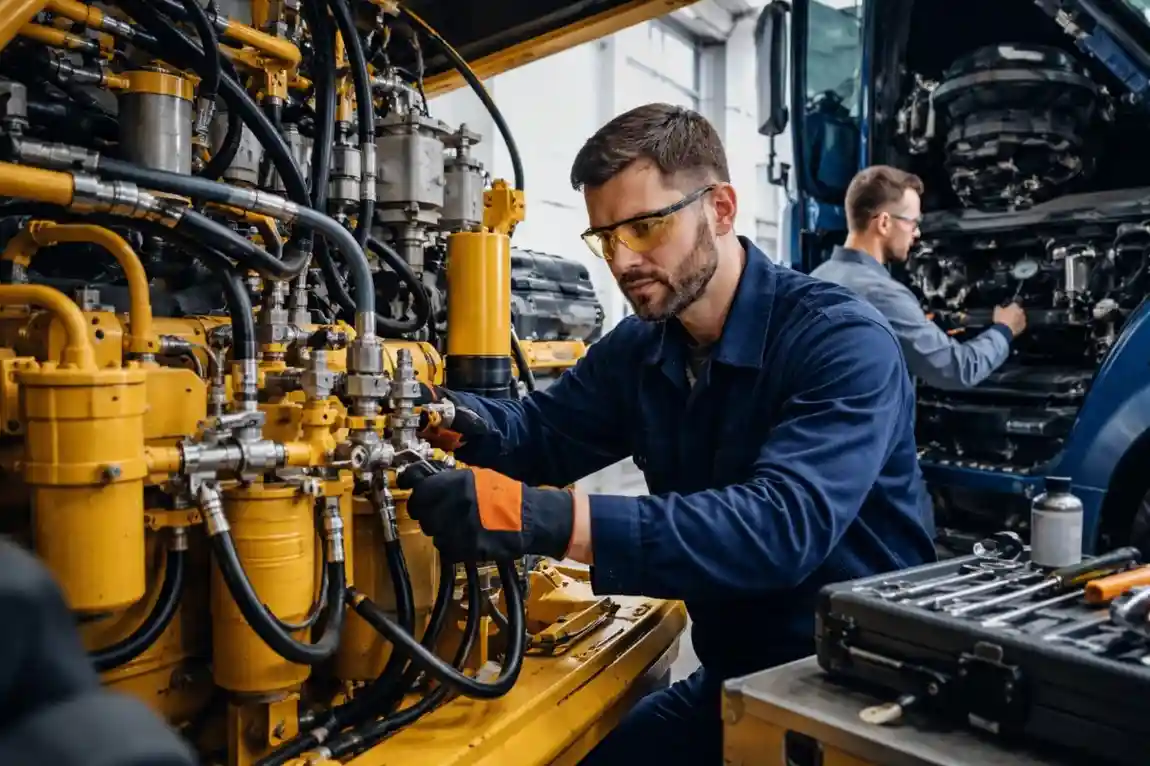
Breakdowns never happen at the right time. A truck stops in the middle of a delivery run, a forklift refuses to lift, or a crane freezes during a job. In a busy place like Brisbane, where transport and logistics move fast every day, even a small mechanical issue can turn into a serious delay.
Hydraulic lines, fuel pumps, filters, seals, and injectors work hard every day, but when these components fail, hydraulic and fuel system repairs become urgent, as machines do not stop slowly. They stop suddenly, and that sudden stop often costs more than the repair itself.
In transport yards, construction sites, and warehouse floors, small system faults cost more than people expect.
Lost time, emergency call-outs, damaged parts, and missed schedules add up fast. Regular hydraulic and fuel system repairs do not guarantee perfection, but they reduce surprises. And in heavy equipment work, fewer surprises usually mean fewer expensive days.
Why hydraulic and fuel systems fail more often than expected
Hydraulic and fuel systems operate under pressure, heat, and constant vibration. That combination makes them one of the most common causes of equipment failure in transport and logistics and construction work.
Common reasons for failure include:
- Dirty fuel or blocked filters
- Leaking hydraulic hoses
- Worn seals and pumps
- Overheating fluid
- Poor maintenance schedules
- Old or low-quality replacement parts
When small faults stay unnoticed, they slowly damage the entire system. A leaking hose today can become a full system failure tomorrow.
Regular hydraulic and fuel system repairs reduce these risks and keep machines working longer
Hidden Equipment Wear That Causes Costly Machine Repairs
Machines usually break gradually, making the eventual need for hydraulic and fuel system repairs simple to ignore while the equipment still functions. A hydraulic hose may only leak under high pressure, or a fuel filter may slowly block flow; because the machine still works, the fault stays unnoticed.
Forklift maintenance witnesses this pattern almost daily. Operators report slow lifting or slightly rough movement, but they keep using the machine because the job cannot wait. The hydraulic pump compensates for the loss of pressure by working harder, which increases heat and strain. Weeks later, the same machine arrives for repair with multiple damaged parts instead of one.
hydraulic and fuel system repairs
Fuel systems behave in a similar way, although the symptoms feel different. Hard starting, uneven power, or higher fuel use often gets blamed on weather or heavy load. In transport and logistics fleets, vehicles stay on the road until the fault becomes impossible to ignore. By that time, the repair usually involves more than cleaning a filter or replacing a small seal.
Downtime usually costs more than the repair itself
Many operators try to postpone repairs because the machine still runs, but ignoring workplace machinery and equipment safety guidelines often leads to lost work and higher expenses. When a forklift or truck stops unexpectedly, labor continues while schedules shift, and the total cost grows even before the repair begins.
In transport and logistics environments, timing matters as much as reliability. A small hydraulic leak repaired during planned service may cost very little. The same leak, if ignored until failure, can stop deliveries for hours or even days
The difference between those two situations usually does not depend on the price of the hose. It depends on when the repair happens.
Emergency repairs also lead to rushed decisions. When equipment must return to work immediately, temporary fixes become common. A quick hose change or partial fuel cleaning may get the machine moving, but the original fault often stays. Correct repairs for fuel and hydraulic systems typically take longer, but they typically prevent a second, more expensive breakdown.
Heavy workloads make pressure systems fail faster
Machinery involved in crane repairs on Brisbane job sites or in massive warehouses operates under relentless pressure, frequently demanding specialized hydraulic and fuel system repairs to keep equipment from failing.
High pressure and heat push these systems to their limits daily; even heavy-duty machines need regular checks, though busy schedules often make it hard to find time for maintenance.
When the workload goes up, the fluid temperature goes up, and hot fluid can’t protect moving parts the way it should. Pumps start wearing faster, seals lose flexibility, and valves stop holding pressure accurately. None of these changes causes instant failure, which makes the problem easy to overlook. The machine keeps working while internal damage continues.
Fuel systems suffer in a different way under heavy use. Frequent refueling increases the chance of contamination, especially in dusty or outdoor environments. Small amounts of dirt or moisture slowly affect injectors and pumps. Regular hydraulic and fuel system repairs remove these problems before they shorten the life of expensive components.
Small repair today vs expensive breakdown tomorrow
Ignoring early signs often leads to major repair bills. A simple seal replacement costs very little compared to a full pump failure.
|
Problem |
Early repair cost |
Breakdown cost |
|
Hydraulic hose leak |
Low | High downtime + parts |
| Fuel injector issue | Medium |
Engine damage |
|
Pump wear |
Medium | Full system rebuild |
| Filter blockage | Low |
Fuel system failure |
Most transport and logistics companies in Brisbane observe a consistent pattern: the cost of repairs escalates only when they delay maintenance.
Routine hydraulic and fuel system repairs keep costs predictable and manageable.
Skipping maintenance creates hidden operational losses
In busy yards, the decision to delay servicing often feels safe when it happens. The machine still moves, the job still finishes, and the repair can wait another week. This habit builds slowly inside many transport and logistics operations because downtime feels more expensive than maintenance. What often gets missed is the cost that never appears on the repair invoice.
When hydraulic pressure starts dropping, the machine usually compensates by working harder. Pumps run longer, engines stay under load, and fuel use increases without anyone noticing the reason. Operators may feel the equipment is becoming slower, but slower work often gets blamed on heavy loads or tight schedules instead of mechanical wear. Over time, this extra strain turns into real damage.
Fuel system problems create similar hidden losses. Poor fuel flow reduces efficiency, which means more fuel is burned for the same job. In fleets that run every day, the extra cost adds up long before the system actually fails. Regular hydraulic and fuel system repairs reduce these quiet losses, even though the benefit does not always show immediately.
Cheap temporary fixes often lead to expensive repairs
Quick fixes keep jobs moving, but they rarely solve the real problem. In workshops handling forklift service and repair, temporary hydraulic and fuel system repairs, or reused fittings appear more often than expected; these solutions work for a short time, which makes them feel successful, but they usually increase the chance of a larger failure later.
A worn hydraulic line replaced with the wrong rating may hold pressure for a while, yet the system never runs the same again. Extra vibration, heat, or slight leakage slowly affects other components. By the time the machine returns for proper repair, more parts need replacement than if the job had been done the first time correctly.
Fuel system shortcuts cause similar trouble. Cleaning one injector without checking the rest of the system may bring the engine back to life, but contamination often stays inside the tank or lines. In crane repairs Brisbane, repeated failures often trace back to earlier quick repairs that saved time initially but later resulted in more downtime.
Workshop experience shows patterns in major failures
Technicians who have handled heavy equipment for years start noticing the same patterns. Most serious breakdowns come from machines that showed small symptoms for a long time.
Slow lifting, rough starting, or slight overheating rarely looks urgent, so the equipment stays in service until the problem grows too large to ignore.
In forklift maintenance service jobs, missed inspections often lead to a sudden need for hydraulic and fuel system repairs due to worn pumps and leaking seals. While the failure looks sudden, the wear usually starts months earlier; once the system loses pressure, multiple damaged parts make the repair much more expensive than expected.
Transport and logistics vehicles show similar behavior with fuel systems. Poor fuel quality, blocked filters, or weak pumps often stay unnoticed until the engine loses power on the road. By that point, the repair involves more than replacing one part. Regular hydraulic and fuel system repairs break this pattern by finding problems before they spread.
Hydraulic and fuel system repairs reduce long-term risk
Hydraulic and fuel system repairs are not only about fixing faults. They also reduce the chance of unexpected failure during critical work.
In construction lifting, warehouse loading, or transport runs, a breakdown at the wrong moment can stop several operations at once. Preventive repair lowers the risk, even if it never removes it completely.
Hydraulic systems depend on balance. Pressure, temperature, and fluid condition must stay within limits for the machine to work properly. When one part wears out, the rest of the system carries an extra load. Over time, that extra load causes more wear, which is why early hydraulic and fuel system repairs often prevent multiple failures later.
Fuel systems need the same attention, especially in equipment that runs every day, as ignoring hydraulic and fuel system repairs can lead to injectors, pumps, and filters wearing down before failure becomes obvious. Regular servicing keeps the system stable and reduces sudden power loss; in transport and logistics work, stability often matters more than speed.
Trade-offs between repair cost and downtime pressure
Every operator faces the same decision at some point. Stop the machine for repair now, or keep working and deal with it later.
Neither choice feels perfect. Stopping early costs time, but waiting too long risks a breakdown that costs even more. The balance depends on workload, deadlines, and how critical the equipment is.
In crane repairs Brisbane projects, downtime can affect several teams at once. Because of that, repairs sometimes get delayed until the end of the job. This approach works when the system is still healthy, but it becomes risky when pressure or fuel problems already exist. Waiting too long often turns a planned repair into an emergency.
Transport and logistics companies deal with the same trade-off every day. Vehicles must stay on schedule, yet running with weak hydraulic pressure or poor fuel flow increases the chance of failure on the road. Regular hydraulic and fuel system repairs mitigate these decisions by addressing issues before they escalate.
Regular servicing keeps equipment value and reliability
Machines that receive consistent maintenance usually last longer, but the benefit is not only about lifespan. Equipment that runs smoothly keeps its value better, works more efficiently, and causes fewer delays.
Buyers and inspectors often look at service history first because it shows how the machine has been treated. Forklift service and repair records often reveal whether hydraulic systems were checked regularly or only after failure.
Machines with proper history usually need fewer major repairs later. Even when parts wear out, the damage stays limited because the system never runs too long in poor condition.
Fuel system care affects reliability in the same way. Clean fuel, working injectors, and stable pressure keep engines running smoothly under load. Regular hydraulic and fuel system repairs support all of these conditions. The result is not perfect equipment, but equipment that fails less often and costs less to keep running.
Conclusion
Unexpected breakdowns often come with a warning. Most failures start with small leaks, blocked filters, or worn parts that stay unnoticed.
Regular hydraulic and fuel system repairs keep machines reliable, safe, and ready for work. In industries like transport and logistics, forklift operations, and crane work, preventive maintenance saves more money than emergency repairs ever will.
Reliable maintenance support is necessary to keep equipment operating efficiently for professional inspection, servicing, or urgent repair work. Contact us today to speak with a trusted repair specialist in Brisbane and avoid costly downtime with proper servicing and timely repairs.
Frequently Asked Questions
-
Why are hydraulic and fuel system repairs important for heavy equipment?
Hydraulic and fuel system repairs keep machines running smoothly by maintaining proper pressure, clean fuel flow, and safe operation. Regular servicing prevents sudden failure, reduces downtime, and helps equipment last longer in transport and logistics, construction, and warehouse environments.
-
How often should hydraulic systems be serviced?
Hydraulic systems should be inspected every few months, depending on usage. Equipment used daily in transport and logistics, forklift maintenance service, or crane repairs Brisbane usually needs more frequent checks to avoid leaks, pressure losses, and expensive breakdowns.
-
What are common signs that fuel system repair is needed?
Hard starting, loss of power, smoke, overheating, or poor fuel efficiency often indicate fuel system problems. Early hydraulic and fuel system repairs fix these issues before they damage injectors, pumps, or engines.
-
Can ignoring small hydraulic leaks cause big problems?
Yes. Small leaks reduce pressure and force the system to work harder. Over time this damages pumps, seals, and valves, leading to costly hydraulic and fuel system repairs and unexpected equipment failure.
-
Why is forklift maintenance service important for warehouses?
Forklifts run every day in transport and logistics work. Regular forklift service and repair keeps lifting power strong, prevents hydraulic failure, and improve safety for operators and nearby workers.
-
Do crane repairs in Brisbane require hydraulic inspection?
Most crane repairs in Brisbane involve hydraulic systems because lifting depends on pressure and fluid control. Regular hydraulic and fuel system repairs help cranes operate safely, prevent load failure, and reduce job delays.