
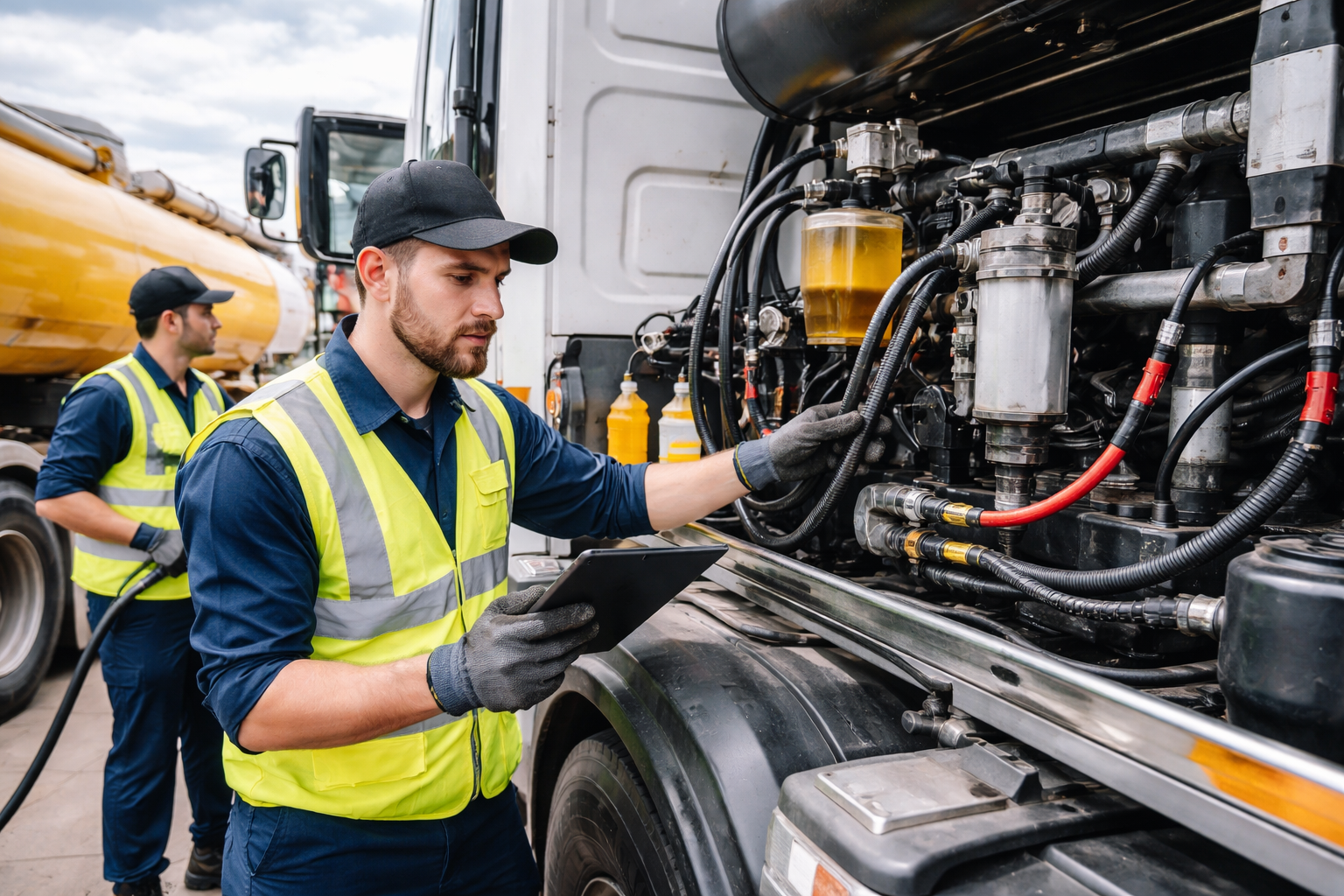
Maintaining heavy machinery is essential to ensuring consistent performance, safety, and longevity. Much like a high-performance engine, industrial equipment requires regular care to operate at peak efficiency.
In Brisbane’s hot and dusty conditions, neglecting routine inspections and servicing can significantly increase the risk of unexpected equipment failures, costly downtime, and safety hazards.
Unplanned issues such as hydraulic leaks, pressure loss, or fuel system malfunctions often occur without warning and can disrupt operations on worksites, warehouses, or agricultural facilities, making hydraulic and fuel system repairs both urgent and critical. However, these problems are largely preventable.
Regular inspection, servicing, and timely repair of hydraulic and fuel systems play a critical role in maintaining operational reliability.
Industry professionals widely agree that hydraulic system maintenance is not optional; it is a fundamental requirement across sectors such as mining, construction, transport, and agriculture.
Effective maintenance does not require complex technical expertise. Instead, it involves following a structured preventative checklist: ensuring fluids are clean and at the correct levels, inspecting hoses and fittings for wear or damage, performing hydraulic and fuel system repairs when necessary, replacing filters as required, and using high-quality fuel.
Proactive maintenance significantly reduces the likelihood of major system failures and extends the service life of equipment, resulting in long-term cost savings.
This guide outlines practical, easy-to-implement strategies for maintaining hydraulic and fuel systems, including hose inspections, filter management, and fuel quality selection tailored to Australian operating conditions.
It also highlights situations where engaging a qualified professional, such as an experienced diesel mechanic in Brisbane, is the most effective course of action to protect your equipment investment.
Why Hydraulic and Fuel System Repairs Matter in Brisbane
You might be thinking, “How important could hydraulic and fuel system repairs really be?” Well, assume your equipment as a body: hydraulic fluid is its blood, and fuel is its energy. In Brisbane’s climate, think humidity, coastal salt air, and inland dust these “body fluids” get stressed fast.
If you skip maintenance, you risk surprising breakdowns. Experts at Heavy Hydraulics note that “timely professional maintenance prevents hydraulic equipment failures and downtime,” emphasizing on-time inspections, filter changes, and fluid checks to keep systems healthy. In plain English, that means routine checks can save you from having a machine conk out during a crucial moment.
hydraulic and fuel system repairs
Regular servicing also extends the life of your machines, including essential hydraulic and fuel system repairs. WorkSafe Queensland highlights that consistent maintenance “minimises the risk of accidents… reduces productivity losses due to downtime, and extends the service life of the forklift,” and we can apply this logic to all heavy gear.
In other words, a well-maintained hydraulic pump or fuel injector can run like-new for years longer than a neglected one. Bottom line: prevention pays off. By scheduling simple tasks and watching for warning signs, you keep your gear performing and avoid costly emergency repairs.
Brisbane’s Environmental Factors
- Dust & debris: Equipment on farms or building sites in rural Brisbane can pull in gritty dust. Contamination is a killer for both hydraulics and fuel lines.
- Heat & humidity: Queensland’s warmth can thin oils and promote corrosion, increasing the need for hydraulic and fuel system repairs. Hotter operations can lead to overheating if cooling and fluid levels aren’t up to scratch.
- Coastal salt: If you’re near the coast, salty air can corrode pipes and fittings. It accelerates wear on metal parts, so more frequent inspections are wise.
Keeping these factors in mind, you’ll see why brake checks and keeping fluids clean are not optional. When you stick to a regular maintenance plan, you’re basically bulletproofing your operation against these Brisbane-specific challenges.
Key Hydraulic System Maintenance Tips
Your hydraulic system is a complex network that powers heavy lifting and precise movements. Here are practical tips and tasks to keep it in top shape:
- Check Fluid Level & Quality: Almost every hydraulic issue starts with dirty or low fluid. Look at the reservoir – the fluid should be full to spec and have a clear, fresh look. Monthly fluid sampling is a great idea: test for dirt, moisture or viscosity problems. If it smells burnt, is milky, or has particles, plan a fluid flush and filter change to avoid costly hydraulic and fuel system repairs.
- Replace Filters Regularly: Filters trap contaminants before they wreck your pump or valves. Follow manufacturer guidelines, but a good rule is to change hydraulic filters at least every 6–12 months, or more often in dusty conditions. A clean filter means cleaner fluid, which means all parts wear slower.
- Inspect Hoses & Fittings: Every week, walk around your machine and visually inspect hoses, O-rings, and connectors. Look for cracks, bulges or leaks. Even a tiny leak can let in dirt or air. Taminda Hydraulics advises checking seals and O-rings for wear and replacing them immediately if damaged. Catching a hose weakness early can prevent a catastrophic failure.
- Watch for Overheating: Regular servicing also extends the life of your machines, including essential hydraulic and fuel system repairs. WorkSafe Queensland highlights that consistent maintenance “minimizes the risk of accidents… reduces productivity losses due to downtime, and extends the service life of the forklift,” and we can apply this logic to all heavy gear.
- Maintain Cleanliness: Keep the exterior of components clean too. Wipe up leaks and clean around filler caps so you don’t accidentally introduce dirt when topping off fluid. Even a daily wipe-down can cut contamination risk.
- Bleed Air Out: If your system feels spongy or noisy, you might have air in the lines (cavitation). Follow your equipment manual’s bleeding procedure after any repair or if fluid got low. Air can cause jerky movement and damage the pump.
Hydraulic Maintenance Checklist: Consider adding a quick table to your maintenance log:
|
Component |
Action | Frequency |
|
Hydraulic Oil |
Check level and clarity; sample for contaminants | Monthly (or after heavy use) |
| Hydraulic Filter | Replace or clean |
Every 6-12 months |
|
Hoses & Fittings |
Inspect for leaks, wear or cracks | Weekly / before each shift |
| Seals & O-rings | Inspect & replace if damaged |
During routine check |
|
Cooling system |
Clean radiator/cooler fins | Monthly/if overheating |
| Air bleed | Bleed lines (remove air) |
After fluid top-up or repair |
In practice, you could do a quick visual check daily and a fuller inspection weekly. If anything looks amiss , act immediately rather than waiting until later. A stitch in time saves nine: fixing a small leak or dirty filter early is way cheaper than rebuilding a pump.
Fuel System Maintenance for Diesel Engines
Your fuel system (tank, lines, filters, injectors, and DPF) needs love too – especially if you run a diesel engine. Diesel engines are robust, but their fuel injection systems are sensitive to impurities. Here’s how to keep them clean and efficient:
- Use Quality Diesel Fuel: It’s tempting to go cheap at the pump, but subpar fuel clogs filters faster. In fact, experts advise using premium diesel where possible; it burns cleaner and produces less soot that could clog components. Cleaner burn means less stress on your injectors and particulate filters.
- Replace Fuel Filters on Schedule: Fuel filters are your last line of defense against dirt. “Fuel filters should be replaced every 20,000 miles or as recommended by your manufacturer,” notes a diesel performance guide. In Aussie terms, that’s about every 32,000 km. If you mix a lot of old/new fuel or haul in dusty conditions, do it even more often. A clogged filter can starve your engine and cause stalling, leading to costly hydraulic and fuel system repairs.
- Drain Water Separators: Water in diesel is a hidden hazard. Many diesel engines have a water-trap in the fuel filter or a separate separator. Check and drain this after long rains or wet fuel deliveries. Even morning dew can introduce moisture. Water in fuel causes corrosion and injector failure, so empty any collected water frequently.
- Clean/Service Injectors & DPF: Modern diesels have Diesel Particulate Filters (DPFs) and high-pressure injectors. Follow these tips from a Brisbane diesel shop: don’t ignore warning lights, and have a DPF health check if your engine light comes on. If a light appears, get it sorted quickly it often means a regeneration failed or the filter is near capacity. Schedule professional service as needed. For injectors, using a fuel additive occasionally can help keep them clear.
Hiring a Pro: Diesel Mechanics & Specialists
Even if you love DIY, sometimes you need a qualified hand. Complex tasks like hydraulic and fuel system repairs, high-pressure pump rebuilding, injector calibration, or DPF regeneration should usually go to experts.
Diesel mechanics in Brisbane have specialized tools and training for these jobs. For instance, if your engine light signals a fuel system error, a mechanic can run diagnostics that we can’t do at home.
When to call the pros:
- Strange noises or performance drops you can’t fix with routine maintenance.
- Leaking high-pressure lines (never tight these yourself – that’s a job for a professional).
- Rebuilding pumps or motors. If a pump is knackered, send it to service.
- Complete system overhauls. When buying used gear, or after a big incident (like a crack in the cylinder), get expert rebuilds.
Finding a good mechanic: Look for recommendations and verify they know diesel/fuel systems. Many shops advertise “Diesel engine repairs Brisbane” – these are the people with chops. Don’t hesitate to ask about their experience with your specific machine. Also, consider on-site service. Many Brisbane shops offer mobile maintenance and they come to you with tools for quick fixes.
Material Handling Equipment Maintenance
If your work involves forklifts, pallet jacks, cranes or other material handling equipment, remember these often integrate hydraulics (for lifting) and fuel . Preventative maintenance is just as important here:
- Forklift Fluid Checks: Check hydraulic fluid levels and condition as above. hydraulic and fuel system repairs Forklift hoses and lifters must be inspected daily. Remember, a spilled pallet can be dangerous safety is tied to good maintenance.
- Forklift Filters & Battery: Apart from hydraulics, keep the engine side clean. Change forklift engine oil and filters on schedule, and service the battery (if electric). For LPG/diesel forklifts, treat the fuel system like a truck’s filters and lines get dirty too.
- Grease and Bearings: Many warehouse machines need greasing points serviced. Keep chains and pivots lubricated according to the manual.
- Brakes and Tires: Though not hydraulic/fuel systems, always inspect brakes and tire wear. WorkSafe advises that proper maintenance “minimises downtime” and extends equipment life.
Material handling equipment repairs often hinge on small details. Hydraulic and fuel system repairs can begin with something as simple as a dirty filter or low fluid today, which may lead to a major brake or lift failure tomorrow. To manage this, create a checklist using your equipment manuals.
The forklift safety guide from WorkSafe Queensland is an Official source from Queensland Government and a great free resource, recommending scheduled services and safety checks. In practice, keeping thorough records helps your team spot trends, plan maintenance, and schedule hydraulic and fuel system repairs before breakdowns.
Routine Schedules and Tools
Having a schedule and the right tools makes maintenance a breeze. Here’s how to stay on top of it:
- Maintenance Calendar: Mark on your calendar or digital system when to do each task . Set reminders for mileage- or hour-based intervals.
- Tool Kit:Keep basic tools handy for hydraulic and fuel system repairs, including pressure gauges, a funnel and clean containers for fluids, a bright flashlight, a digital temperature gun, gloves, and more. Even a magnetic dipstick is a great addition if your system doesn’t have a sight glass.
- Record Log: Jot down each maintenance action – date, person, and findings. Over time, you’ll see patterns and can adjust schedules.
- Spare Parts Stock: Have common parts on hand: hydraulic filters, hose clamps, spare hoses, fuel filters, O-rings, and seals. This will enable you to address minor problems immediately.
Below is an example maintenance table you might adapt for your fleet:
|
Maintenance Task |
Hydraulic System | Fuel System | Suggested Frequency |
|
Check fluid levels |
Check oil level/clarity | Check fuel level/contamination |
Weekly |
|
Change filters |
Replace hydraulic filter | Replace fuel filter | Every 6-12 months (or as per hours) |
| Inspect hoses/lines | Look for leaks/cracks | Inspect fuel lines/connectors |
Before each use |
|
Drain/clean |
Clean external components | Drain water from fuel filter | After wet weather/daily |
| System test | Pressure test & leak test | Injector/drain tests |
Monthly/if issues arise |
| Professional inspection (if due) | Pump/servo re-calibration | DPF clean/regeneration |
Annually (or if light on) |
This might look complex, but you don’t need it all at once. Spread tasks out—for instance, schedule fluid checks weekly, filter changes every few months, and a full check-up once or twice a year.
Conclusion & Call to Action
Taking care of hydraulic and fuel system repairs is really about prevention. By regularly checking fluids, filters, and connections and using quality parts and fuel you’ll avoid the drama of sudden failures.
You’ll save on repair bills, keep operators safe, and ensure your projects roll on without costly downtime.
Remember, even with your best DIY effort, there’s no shame in calling in an expert. A certified diesel mechanic in Brisbane can handle complex engine issues, including hydraulic and fuel system repairs, while hydraulic specialists can rebuild pumps, carry out hydraulic and fuel system repairs, or customize solutions when needed.
For routine needs, jot down a maintenance plan this week: check hoses, change filters, and maybe book that next service.
Now it’s your turn: inspect your gear today! Feel the hoses, peek at the fluids, and schedule that engine tune-up. Maintaining regular maintenance will ensure your equipment operates efficiently. Your machines will thank you and so will your wallet.
FAQs
-
How often should I change hydraulic fluid?
Ideally, follow the manufacturer's schedule, but generally check levels weekly and change fluid every 6–12 months. In dirty or high-use conditions, test fluid monthly and replace sooner.
-
What are signs of a fuel system problem?
Look for trouble starting, loss of power, black/white smoke, or rough idling. These may indicate clogged filters or injector issues, signaling you should inspect or replace fuel filters.
-
Can I maintain the system myself?
Yes – basic checks are doable by anyone handy. You can inspect hoses, replace filters, and top up fluids. However, always use correct fluids and safety gear. For complicated repairs or diagnostics, call a professional diesel mechanic in Brisbane.
-
Why hire a diesel mechanic?
Diesel mechanics have tools and know-how for complex tasks like injector calibration or DPF cleaning. They prevent mistakes that DIYers might make and ensure your repairs meet safety standards.
-
How does Brisbane’s climate affect maintenance?
Brisbane’s heat, humidity and dust mean more frequent checks are wise. High temps can thin fluids and dusty air demands more filter changes. So adjust your schedule to tackle extra grime and heat soak.
-
What does material handling equipment repairs involve?
It covers tasks like checking forklift hydraulics, engine filters, brakes, and tires. Safe handling relies on regular servicing: WorkSafe QLD notes that good maintenance reduces downtime and extends equipment life. Each piece has its own manual, but the basics remain: fluids, filters, and function checks.