
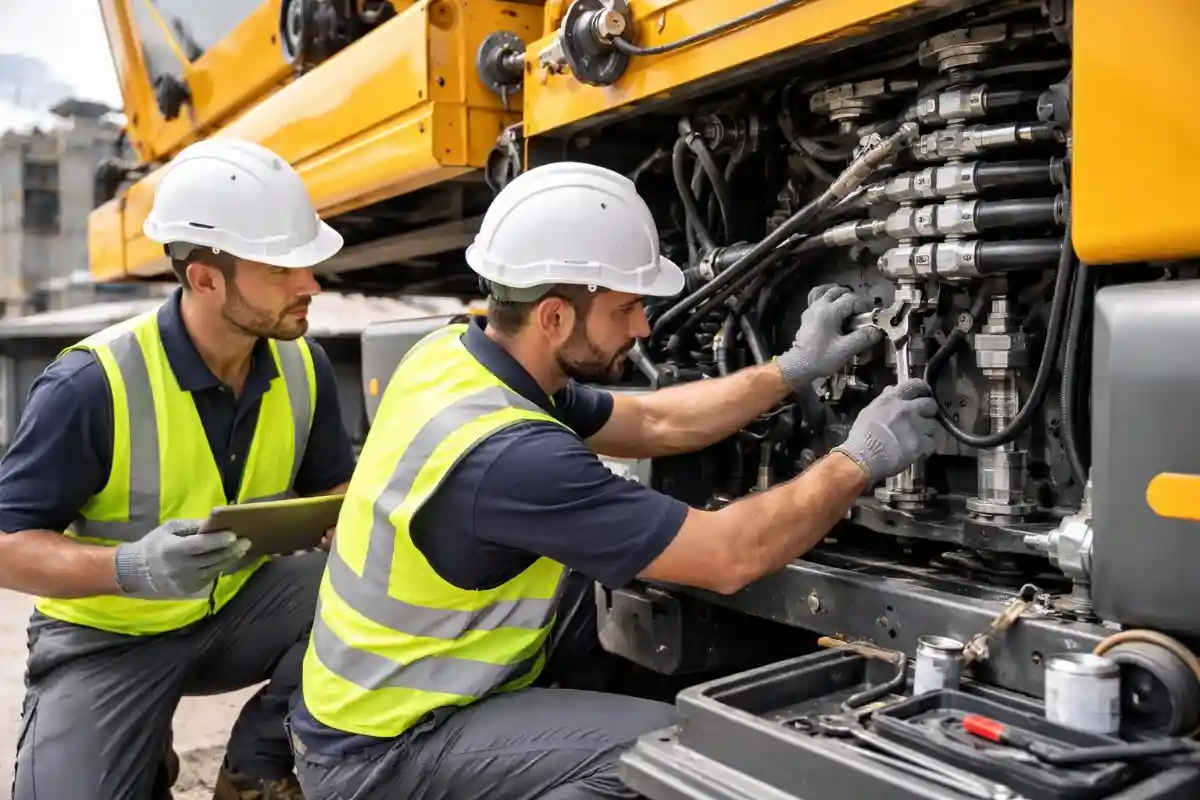
Preventative maintenance is key to extending the life and functionality of hydraulic cranes. Spotting problems before they escalate into major hydraulic crane repairs can save both time and money, ensuring smooth operations and preventing costly downtime. Identifying early signs of wear and tear or malfunction in hydraulic cranes involves a keen understanding of how these machines work and recognizing unusual behavior.
Regular inspections, listening for abnormal sounds, checking fluid levels, and observing performance inconsistencies are all proactive steps that can help detect potential issues early. By being aware of these signs, crane operators and maintenance teams can address minor problems promptly, avoiding the need for more expensive hydraulic crane repairs and keeping the crane in optimal condition.
Learn Your Crane’s Warning Signs (Avoid Hydraulic Crane Repairs)
Cranes are tough, but even they have their limits. Think of them as gentle giants: big and powerful, but they’ll notice if something’s off if you know what to watch for. When a hydraulic crane starts acting up, it often shows tell-tale signs:
- Leaking fluid: Oil spots under the crane or slow, jerky boom movement are classic giveaways. Hydraulic fluid is the crane’s lifeblood; losing it can cause parts to overheat or fail. If you see a puddle forming, get ready to inspect hoses and seals immediately.
- Weird noises: Grinding, squealing or knocking from the crane can mean something inside is wearing out. A whining pump or clunking gearbox could signal pump failure or loose components. Don’t ignore odd sounds if your car made them; you’d tune in to that problem fast.
- Slow or jerky movements: If your boom isn’t smooth, maybe it drift-loads down by itself or extends/retracts sluggishly; there’s likely cylinder or pump trouble. Air in the system, pitted pistons, or clogged filters can cause laggy, inconsistent action. Think of it as the crane saying, “I’m having a miserable day!”
- Control glitches: Delays between your joystick and the crane’s action, or controls that feel spongy, should be taken seriously. These could be electrical gremlins or worn-out valves. It’s a safety issue if your commands don’t execute promptly.
- Visible wear and tear: Rusty spots, cracks in the boom, frayed cables or bent hooks are never a joke. A small crack today could be a big fracture tomorrow. Always do a walk-around and look closely at high-stress points (boom, winch, cables) for damage.
For example, a tiny drip now can turn into a full-blown hydraulic crane repairs bill if you ignore it. In short: if your crane could talk, it’d say, “Please fix me now, or I’ll demand costly hydraulic crane repairs later!” Catching these issues early means you get small fixes on your terms, not a major panic repair.
Daily and Routine Checks to Prevent Hydraulic Crane Repairs
If you treat your crane like a friend, it’ll thank you by not breaking down. A quick daily or weekly peek can spot trouble before it gets ugly. For example, each shift you should walk around the crane doing a basic check-up. Think of it as a quick health scan:
- Fluid Levels & Leaks: Check hydraulic oil levels and survey for drips or puddles under the crane. Low fluid or wet hoses are early warning lights.
- Hoses & Seals: Inspect the hoses and seals for cracks, bulges, or wear. If a hose looks tired or wobbly, have it replaced now rather than risk a sudden burst.
- Controls & Safety Devices: Test your controls and emergency stops. Ensure movement is smooth and that limit switches, interlocks and the load moment indicator (LMI) work correctly. This is key for safety.
- Listen and Observe: Run the crane through its paces (if safe to do so). Listen for any strange new noises and note any stiff or unusual motions. Also look for debris or loose items that could jam parts.
- General Condition: Give it a once-over for obvious damage or corrosion on the frame, boom and wheels. Check for secure bolts and the integrity of structural components.
Daily routine checks are your best defense. Industry experts recommend “daily quick checks, monthly detailed looks, and yearly thorough inspections by certified pros.” Stick to the manufacturer’s maintenance schedules and log everything meticulously. Detailed records help spot creeping issues early (and they’ll be handy if inspectors show up). Skip any of these and you’re essentially penciling in your next hydraulic crane repairs.
|
Check Frequency |
Key Tasks |
|
Daily/Weekly |
Inspect fluid levels; check for leaks under the crane to avoid costly hydraulic crane repairs. |
| Monthly/Pre-use |
Perform a thorough run-through: lubricate moving parts; inspect electrical wiring; verify safety devices. |
|
Annual |
Detailed check of all structural components (booms, ropes, welds); calibrate limiters; replace filters and fluids to prevent costly hydraulic crane repairs. |
|
Major (10 yr) |
(By law) A full teardown and test by qualified inspectors, per AS 2550 standards, is a chance to catch remaining issues before they become hydraulic crane repair emergencies. |
Preventative Care Beats Costly Hydraulic Crane Repairs
For a crane, it’s simple math: invest in maintenance now or plan for repeated hydraulic crane repairs later. Nobody likes surprise bills. Here are some common culprits and how to stop them:
- Hydraulic Fluid Contamination: Like junk food for humans, dirty fluid is bad news for a crane’s insides. Dust, water or metal shavings that sneak in can gum up pumps and valves. Solution: use clean containers when topping up, change filters regularly, and consider periodic fluid analysis.
- Worn Seals and Cylinders: Over time, seals wear and cylinders get pitted. One symptom is boom drift: the crane arm slowly sinks when it shouldn’t. Fix it by rebuilding or replacing the cylinder seals. In salty or harsh Aussie conditions, applying protective coatings can also slow wear.
- Failing Hydraulic Pumps: A pump on its last legs might make whining noises or lose pressure. This can cause jerky motion or even a dead crane. Regularly bleed air out of lines, maintain fluid levels, and schedule pump service before symptoms show.
- Clogged Filters & Overheating: If the crane starts overheating (you smell burnt fluid or it shuts down), the filter or cooler is probably blocked. Keep air and oil coolers clean, maintain coolant levels, and avoid overloading the crane beyond its rated capacity.
- Neglected Bearings & Gears: Inspectors often find dry bearings and gear issues after long use. Don’t skimp on grease regular lubrication of sheaves, pivots and ropes is a simple but crucial habit.
Regular maintenance beats last-minute fixes every time. Remember, delaying repairs tends to magnify them; that tiny oil leak today can turn into a major hydraulic crane repairs job next month.
Brisbane Tips: Getting On-Site Help and Avoiding Big Repairs
For Brisbane contractors, cutting corners on maintenance is like asking for trouble, with more days of calling in emergency hydraulic crane repairs. If you do spot an issue, the good news is Brisbane has plenty of experts at the ready. Brisbane’s BHS Equipment team inspects and repairs injectors, pumps and hydraulics on-site basically a mobile diesel mechanic in Brisbane for heavy gear. Blue Toro even advertises a mobile truck mechanic in Brisbane for the on-site service of cranes and trucks. In short, the workshop can literally come to you.
hydraulic crane repairs
Regulations in Queensland keep things safe. The WorkSafe QLD mobile crane code says crane owners must have competent people doing inspections and maintenance. You need to keep a maintenance logbook with all work and parts documented. This isn’t just paperwork; it forces you to stay on top of schedules and helps techs spot recurring issues.
Brisbane’s busy transport and logistics hubs rely on equipment uptime. As one local guide notes, keeping up with forklift maintenance service means fewer breakdown surprises and more uptime.
Your crane deserves the same attention. Between local mobile mechanics and strict safety rules, including the Safe Work Australia guidelines, you can catch problems early and sidestep emergency hydraulic crane repairs. Even a single breakdown requiring urgent hydraulic crane repairs can knock a whole Brisbane project off schedule, so stay ahead of the game!
Conclusion: Be Proactive, Save Time and Money
Now you’ve got the inside scoop on how to outsmart breakdowns. Regular inspections and swift fixes mean your crane will do its job without throwing tantrums your way. Think of each check-up as an investment: a quick fluid top-up or a new hose today can prevent a full-blown hydraulic crane repairs callout later. And the same goes for forklift fleets: scheduling forklift service and repair now avoids downtime tomorrow.
Stay curious, listen to your crane, and partner with experts when needed. If you see anything fishy, address it immediately better safe than sorry. For heavy lifters of all kinds, staying on top of maintenance means those dreaded hydraulic crane repairs become a thing of the past. Remember: the more issues we fix today, the fewer times we’ll have to call for hydraulic crane repairs down the line.
Questions or real-life crane tales? Share in the comments below. Don’t wait for a breakdown before you act. Proactive maintenance keeps projects moving, deadlines met and accountants happy!
FAQs
-
What are common warning signs that my hydraulic crane needs servicing?
Look for fluid leaks (oil puddles), unusual noises (grinding or whining), erratic or slow boom movements, and worn seals or rust on the boom. Catching these early can prevent bigger failures.
-
How often should I inspect and maintain my hydraulic crane?
Perform daily visual checks of fluid levels, hoses and controls. Do more thorough weekly or monthly inspections per the manufacturer’s guidelines. Have annual professional inspections to catch hidden issues.
-
Can I perform hydraulic crane maintenance myself, or do I need a specialist?
You can do basic checks (fluid levels, leaks, visual wear) yourself, but serious repairs should be done by qualified technicians. Many Brisbane crews rely on mobile mechanics for on-site crane servicing.
-
Why is preventive maintenance important for hydraulic cranes?
Regular maintenance catches small problems (leaks, worn parts) before they escalate. This avoids costly breakdowns, extends crane life and keeps the worksite safe and productive.
-
What could happen if I ignore signs of crane hydraulic issues?
Ignoring warning signs can lead to sudden breakdowns, expensive damage, or even accidents. Small fixes are much cheaper, so addressing issues early helps avoid full-scale hydraulic crane repairs.
-
Where can I find fast service for hydraulic crane repairs in Brisbane?
Brisbane has mobile diesel and truck mechanics ready to come to you. Many can perform on-site hydraulic crane repairs. For example, BHS Equipment supports forklift and crane fleets.