
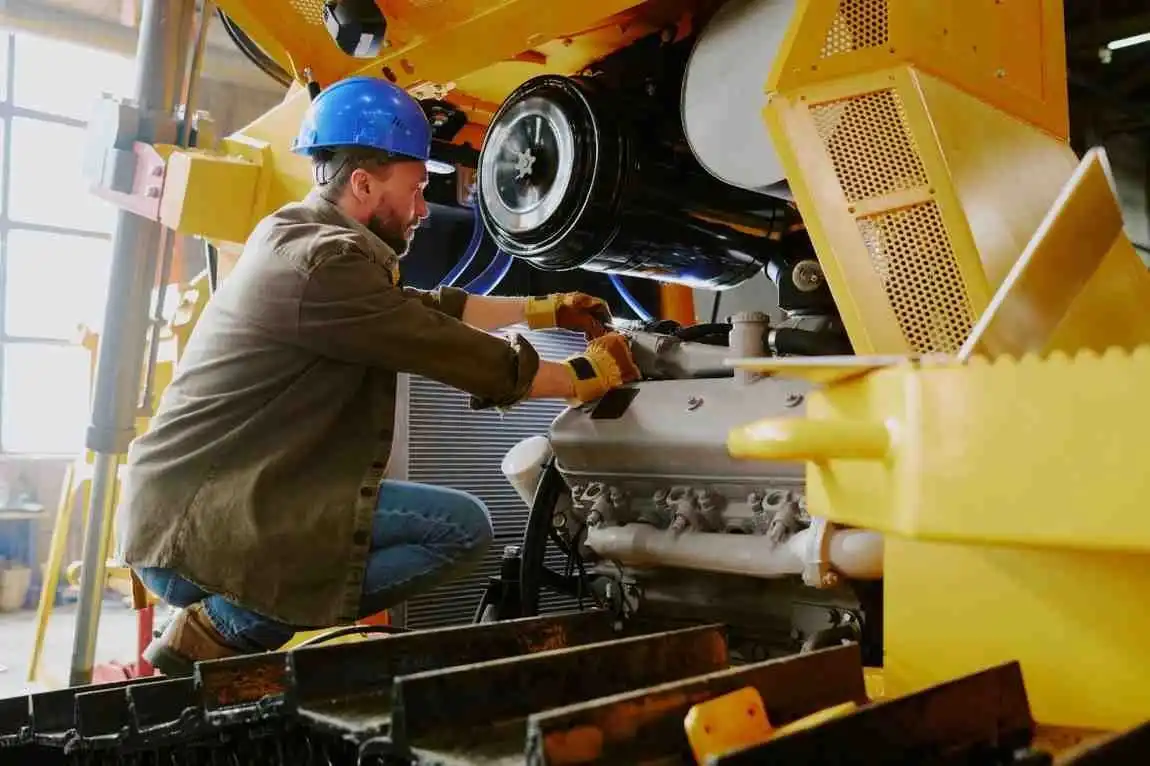
Running a warehouse or construction site in Brisbane can feel like a juggling act – and your forklifts are the heavyweight champions of the show. When that forklift grinds to a halt, everything else grinds to a halt too. Luckily, routine forklift maintenance service is your safety net. Think of it as a regular checkup for your workhorse: it keeps the machine healthy, your staff safe, and your profits on track.
Whether you’re overseeing a bustling transport and logistics hub or a busy dock, the advantages of scheduled maintenance are huge fewer surprises, smoother operations, and a longer life for your forklift. In fact, authorities like WorkSafe QLD note that regular maintenance “minimises the risk of accidents and injury…reduces productivity losses due to forklift downtime…and extends the service life of the forklift.” In short, a well-maintained forklift is safe, reliable, and ready to roll.
An effective maintenance program can mean the difference between a forklift that runs all day long versus one that spends all day in the workshop. You’ll avoid those heart-stopping moments when a machine locks up in the middle of a busy shift. For example, companies like Spot On Warehouse Solutions highlight that well-planned upkeep keeps your equipment “running smoothly and efficiently without any hiccups or downtime”.
And Brisbane operators know downtime isn’t just an annoyance it’s lost productivity, angry deadlines, and wasted dollars. By investing in forklift maintenance service, you turn “an ounce of prevention” into huge savings. Regular check-ups catch tiny issues before they blow up into a major repair or a safety incident.
Safety First: Protect Operators and Bystanders
Safety is non-negotiable. A forklift with faulty brakes, a leaky hydraulic cylinder or cracked mast can be lethal. Routine forklift maintenance service acts like a daily CPR check: brakes, steering, hydraulics, lights, alarms and forks are all inspected to ensure they’re ship-shape. Industry experts agree that safety is the top benefit.
For example, the forklift experts at Linde Australia explain that “routine inspections and maintenance reduce the risk of accidents due to mechanical failures, brake or steering issues, or malfunctioning safety systems”. WorkSafe Queensland reinforces this: regular maintenance “minimises the risk of accidents and injury to the forklift operator and others in the workplace”.
By staying on top of your maintenance, you’re essentially removing hazards before they appear. Think of a worn-out brake shoe: a quick adjustment during a service will keep it from failing catastrophically later. Or consider an operator’s seatbelt alarm; if that’s checked and replaced promptly, it might just stop an operator from taking a dangerous corner at speed unbuckled.
As one safety bulletin puts it, “employees are well trained, machinery is well maintained, and a traffic management plan is in place” to dramatically reduce forklift incidents. With forklift maintenance service, you ensure guards, warning lights, horns and the all-important interlocks are all working properly. In Australia, compliance isn’t just good practice – it’s law. Australian Standard AS 2359 and Queensland regulations require forklifts to be safe to use at all times. A ticklish truth: staying compliant with these rules saves lives and fines.
- Key safety checks: Operators should do a quick pre-shift inspection (tyres, forks, fluids) every day, but a full maintenance service dives deeper – testing brakes, alarms, mast functions and seatbelt systems.
- Result: Fewer accidents or near-misses, and peace of mind that your forklift won’t betray you mid-shift.
In short, routine maintenance is your forklift’s seatbelt and airbags – without them, every load lift is a gamble.
Uptime and Productivity: Less Downtime, More Done
Imagine a typical Brisbane warehouse or construction site. The clock is ticking, drivers are waiting, and an idle forklift is a gaping hole in the schedule. A well-maintained forklift keeps everything moving. Downtime is a sneaky cost: lost hours add up to real money, unhappy customers, and stressed workers.
Regular forklift maintenance service directly combats downtime. Think of maintenance as a little daily exercise for your equipment. By inspecting and tuning your forklift on schedule, you catch wear-and-tear early. For example, replacing a greasy seal or refilling hydraulic fluid during a routine service is far quicker (and cheaper) than dealing with a busted hose in the afternoon rush.
Many Queensland businesses notice that scheduled forklift maintenance service means they never see the forklift parked out of action. According to BHS Equipment in Brisbane, “proactive service scheduling…helps extend your machine life, reduce unexpected downtime, and keep your operation fully compliant”. Likewise, Spot On Warehouse Solutions vows to minimise downtime and get you back to lifting fast with reliable forklift maintenance service support.
In practice, this means more consistent throughput. Instead of the panic of running out of trucks or pallets because the forklift is broken, your team glides from task to task. In Brisbane’s competitive transport and logistics hubs, every minute counts. An unplanned break in the chain can delay shipments or tie up manpower. By contrast, forklift maintenance service is like having a spare of every part on hand problems are solved on the spot. The outcome? You hit targets, keep shelves stocked, and avoid scrambling for emergency repairs.
- Key uptime practices: Stick to a preventative schedule (e.g., after every 250 engine-hours or every 6 months, whichever comes first). Many operators do an “oil and filter change” at this mark, plus safety checks. Also keep a maintenance log to track issues.
- Result: Predictable operations. Forklifts lift when you need them to, not when you catch the mechanic free.
Extending Equipment Life: Get the Most from Your Investment
A forklift is a serious investment. In Brisbane, a heavy-duty model might cost tens of thousands of dollars. Regular forklift maintenance service is literally how you protect that investment. By keeping every part clean, lubricated, and adjusted, a professional forklift maintenance service helps stave off wear. The forklift equivalent of “brushing and flossing” means it stays healthy longer.
forklift maintenance service
Think of it like this: would you drive 200,000 km in your car without an oil change? Probably not. Forklifts are no different. Over time, even heavy components like engines and transmissions wear out if abused. WorkSafe QLD explicitly says regular forklift maintenance “extends the service life of the forklift”. Linde’s experts also highlight longevity: “staying on top of maintenance preserves key components, thereby extending the working life of each forklift.”
This extension adds up in practical terms. A forklift that’s regularly serviced can last years beyond one that’s neglected. That delays the painful outlay of replacing a fleet member. And when the time does come to sell or trade in, a well-documented service history can fetch a higher price. forklift maintenance service Buyers trust a machine that’s been babied. You also avoid mid-life surprises like a seized engine on a 3-year-old truck which can blow your plans.
- Longevity boosters: Keep the forklift clean. Regularly grease the mast, chains and pivots. Inspect tyres and chains for wear. Replace tiny parts before failure.
- Result: Your forklifts last longer in the field, delivering consistent returns on the original purchase.
Efficiency and Performance: Smoother, Faster Lifts
A well-tuned forklift is a fast, smooth forklift. Regular forklift maintenance service doesn’t just prevent failure it also keeps performance up. Clean hydraulics lift loads evenly, responsive steering helps the operator feel in control, and tight brakes inspire confidence. With professional forklift maintenance service, your team will notice the difference in their daily routine. It’s like the difference between walking on a smooth floor versus tripping on a wrinkled carpet.
Many problems that make a forklift sluggish are solved during maintenance. Clogged air filters or gummed-up fuel injectors? A routine check fixes them, letting the engine breathe and burn fuel properly. Sticky hydraulic valves or under-greased bearings? Maintenance frees them up. BHS Equipment notes that aligning service with manufacturer schedules keeps forklifts “in peak operating condition”.
This efficiency benefit also means operator satisfaction. Drivers don’t have to compensate for laggy performance; they can focus on the job. Faster cycle times on lifts translate into higher throughput at no extra labour cost. In time-critical operations, say unloading a container by deadline, this boost makes a real difference.
- Performance tips: Follow OEM checklists: monitor battery water levels for electric units, tighten steering linkages, test engine idling speed, and keep hydraulic oil at the right viscosity for local climate.
- Result: Forklifts handle like new machines. That means quicker lifts, smoother turns and fewer frustrated operators.
Pro tip for Brisbane: High humidity or dusty yards can hurt forklift efficiency. If you run in these conditions, consider even shorter maintenance intervals than the usual schedule.
Specialized Repairs: Engines, Hydraulics, Batteries and More
Forklifts come in different flavours diesel, LPG, electric and each has its quirks. A good forklift maintenance service in Brisbane will tailor checks to your model.
- Diesel forklifts: Need an expert diesel mechanic in Brisbane for engine care. Beyond basic oil changes, a specialist checks glow plugs, fuel injectors, and the fuel system. Diesel engines produce soot; regular cleaning of filters and exhaust parts prevents clogs. A Diesel mechanic Brisbane ensures any diesel engine repairs or tuning meet Australian emission and safety standards.
- Hydraulic systems: The “muscle” of your forklift is the hydraulics. Regular maintenance inspects hoses, pumps and cylinders. A tiny leak can drop pressure and endanger lifts. Focused hydraulic and fuel system repairs during a service avoid those surprises. In fact, industry guides stress that catching worn hydraulic seals or dirty fuel filters early stops “costly breakdowns” down the line (and saves the wear on other parts).
- Electric forklifts: Battery care is key. Top-up water levels, clean terminals, and keep chargers calibrated. A service team will also check motor windings and brake circuits.
- Tires and Brakes: These “wear items” should be checked every service. Uneven tire wear might hint at misalignment; brakes should be adjusted before they squeak or fail.
By covering all these subsystems, you ensure the forklift works as a whole. A professional forklift maintenance service helps keep every component operating safely and efficiently while reducing the risk of costly breakdowns. Don’t underestimate an expert’s eye: a seasoned technician often spots issues an untrained eye can miss during a forklift maintenance service inspection. For example, only a licensed LPG fitter can legally check a gas system. And in Brisbane’s scorching summers, a thorough coolant system check can stop an overheating breakdown.
- Key note: Only use qualified mechanics for specialized repairs. WorkSafe QLD explicitly warns that even auto mechanics aren’t always competent for forklifts.
- Local advantage: Many Brisbane forklift fleets pair with mobile maintenance providers. They roll up in a van with tools and parts, doing onsite preventive work. This is handy for emergencies and routine hydraulic or fuel system repairs without towing the forklift to a shop.
Organizing Maintenance: Plans, Checklists and the Bottom Line
To squeeze these benefits, you need a plan. Almost every forklift manufacturer and safety authority recommends a scheduled maintenance programme. Here’s how to make it work:
- Follow the manual: Every forklift has an owner’s manual with recommended service intervals. Use these as your baseline.
- Daily checks: Train operators to do a quick walk-around each shift. Log any issues. Even simple steps checking tire pressure and fluid levels catch problems early.
- Maintenance logs: Keep records of every service. This isn’t just bureaucracy – it tracks wear trends and helps warranty claims.
- Qualified technicians: Hire certified forklift mechanics or authorised dealers. forklift maintenance service For example, many Brisbane companies find value in local services like Eureka Forklifts or fleet mechanics who know the local regs.
- Flexible scheduling: High-use forklifts might need service every few weeks; light-use ones can stretch to months. Adjust for harsh environments which Brisbane often has.
- Budget for it: Build maintenance costs into your budget. The “shock of a scheduled $200 check” is far better than “shock of a $5,000 engine failure bill”.
A brief maintenance table can be helpful:
|
Service Interval |
Key Tasks |
Benefit |
|
Daily pre-shift check |
Inspect tires, forks, fluids, lights, horn |
Catch visible issues early |
| Every 250–500 hours (or 3–6 months) | Oil change, filter replacement, battery service |
Keeps engine and powertrain fresh |
|
Every 1000+ hours (or annually) |
Full inspection: brakes, hydraulics, mast, electrics | In-depth tune-up for safety and longevity |
| As-needed (breakdowns) | Prompt repairs of any leaks, cracks, or faults |
Prevents downtime from dragging repair |
Brisbane managers often note that service plans can simplify this. While not mandatory, such contracts make costs predictable and ensure no step is missed. Choose a plan that suits your fleet size.
Conclusion: Keep Lifting with Confidence
At the end of the day, regular forklift maintenance service is a no-brainer for any smart business in Brisbane and beyond. It keeps your team safe, your machines humming, and your financials healthy. You get fewer scary breakdowns, a more reliable work schedule, and forklifts that feel practically brand-new year after year. Maintenance is the secret ingredient that keeps the sparks out of your supply chain.
Ready to amp up your uptime? Schedule that maintenance now. Chat with a local expert, tune up those hydraulics, and keep your forklift fleet in fighting form. After all, why gamble with a rusty, cranky forklift when a simple service plan can keep it lifting strong?
WorkSafe QLD’s forklift maintenance factsheet is a great resource to understand legal safety obligations and plan your maintenance. And if you ever need specialist help, remember that diesel mechanics in Brisbane can handle heavy engine care, and specialised services cover everything from hydraulic and fuel system repairs to elevated work platform maintenance. Keep your gear checked and your crew confident lift wisely, Brisbane!
Frequently Asked Questions
-
Why is routine forklift maintenance service important?
Because it keeps your equipment safe, efficient and compliant. Regular servicing finds small issues before they become big problems, preventing accidents and costly downtime.
-
How often should a forklift be serviced?
Manufacturers generally recommend a full service every 250–500 operating hours (about every 3–6 months for steady use). High-use or harsh environments need more frequent checks.
-
What does a full forklift maintenance service include?
A typical service checks engine or motor, replaces filters and fluids, inspects brakes/steering, tests hydraulics, and checks safety systems like lights and alarms. Chains, forks and tyres are also inspected and adjusted.
-
Who should perform forklift maintenance?
Only qualified technicians with forklift experience. According to WorkSafe QLD, a trained mechanic (not just a generic vehicle mechanic) must do forklift upkeep. Gas and LPG systems must be handled by licensed fitters.
-
What happens if I skip regular maintenance?
Skipping service often leads to breakdowns, safety hazards, non-compliance fines and higher costs. Problems like leaks or worn brakes worsen quickly, leading to machine failures and accidents.
-
Are there regulations for forklift maintenance?
Yes. In Australia, forklifts must be maintained to remain safe under AS 2359 and workplace laws. Records of inspections and repairs are required to demonstrate compliance with these safety standards.