
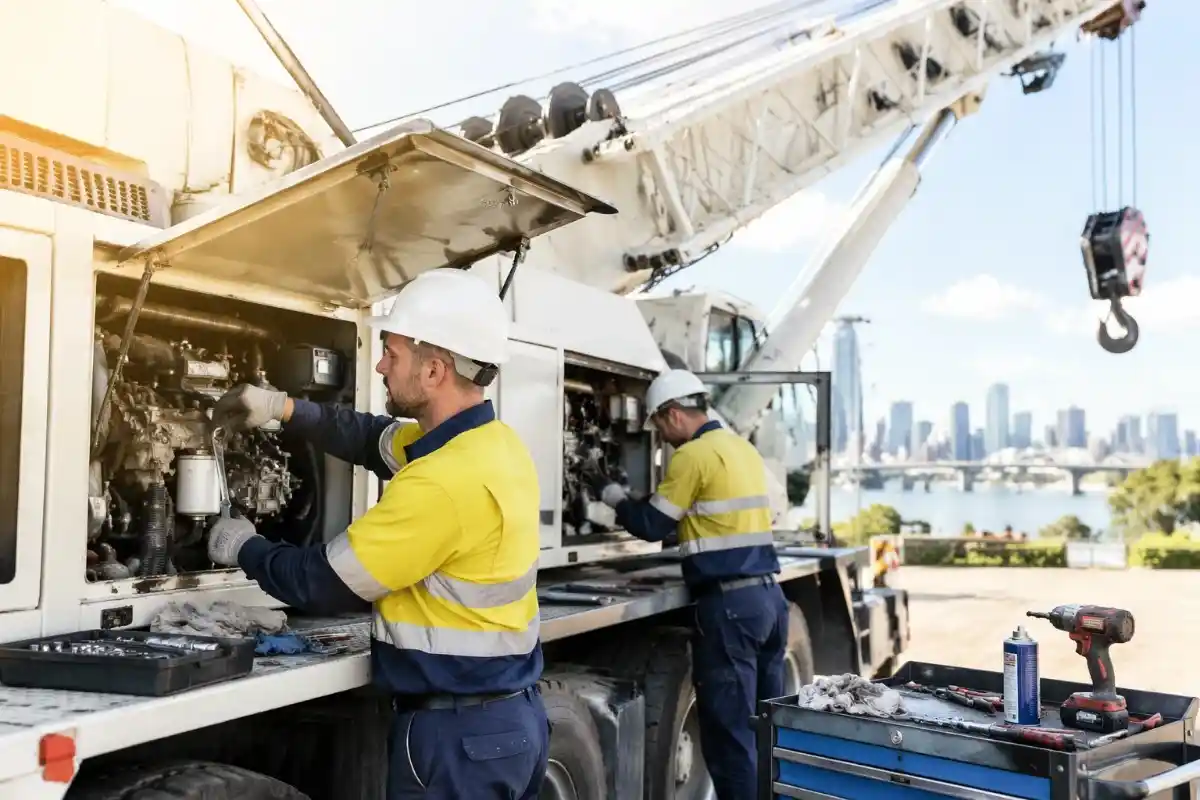
Crane maintenance should follow the manufacturer’s service intervals, operating hours and workplace safety requirements. Daily pre-start checks, scheduled servicing and periodic inspections help identify worn components before they cause breakdowns. For businesses arranging Crane Maintenance Northgate, a preventative maintenance schedule can improve equipment reliability and reduce unexpected downtime.
Whether you operate mobile cranes, truck-mounted cranes or specialised lifting equipment, understanding maintenance requirements helps protect your machinery and workers. BHS Equipment supports businesses with equipment maintenance and mechanical servicing in Northgate and surrounding Brisbane areas.
How Often Should You Schedule Crane Maintenance Northgate?
The right maintenance frequency depends on the crane’s design, age, workload and operating environment. Equipment operating daily under demanding conditions may need more frequent attention than machinery used occasionally.
A practical maintenance schedule includes several levels of inspection and servicing.
1. Daily Pre-Start Inspections
Before operating a crane, a competent person should complete the required pre-operational checks. These inspections help identify visible damage, fluid leaks and operational faults.
Common checks include:
- Inspecting hydraulic hoses and connections for leaks.
- Checking wire ropes, hooks and lifting attachments.
- Testing emergency controls and safety devices.
- Examining brakes and operating controls.
- Checking fluid levels and visible structural components.
- Recording defects in the equipment logbook.
Daily inspections are an essential part of Crane Maintenance Northgate, particularly for equipment operating across busy industrial and construction sites.
2. Routine Maintenance and Servicing
Routine servicing should follow the manufacturer’s specifications and the recommendations of a competent person.
Depending on the equipment and operating conditions, maintenance may occur weekly, monthly or quarterly. A service may involve lubrication, hydraulic system checks, component adjustments and replacement of worn parts.
Businesses scheduling Crane Maintenance Northgate should consider both operating hours and actual working conditions rather than relying exclusively on calendar dates.
3. Periodic and Major Inspections
Periodic inspections provide a more detailed assessment of the crane’s mechanical systems, structural components and safety equipment.
Safe Work Australia’s Guide to Inspecting and Maintaining Cranes explains that inspections must follow manufacturer instructions or appropriate specifications developed by a competent person. Where manufacturer instructions are unavailable and inspection intervals cannot otherwise be determined, inspections must occur at least annually.
Certain registered mobile cranes and tower cranes also require major inspections based on their design life and applicable workplace safety requirements.
Why Regular Crane Maintenance Northgate Prevents Breakdowns
Heavy lifting equipment operates under substantial mechanical loads. Over time, continuous movement, vibration and exposure to dust or moisture can contribute to component wear.
Without regular servicing, minor mechanical problems may develop into equipment failures.
Prevent Hydraulic System Problems
Hydraulic systems power many crane lifting and positioning functions. Damaged hoses, contaminated hydraulic fluid and worn seals can affect equipment performance.
Routine hydraulic inspections help identify leaks, damaged fittings and declining system performance.
Addressing these issues early may prevent unexpected equipment shutdowns.
Reduce Mechanical Wear
Crane components such as bearings, pulleys, gears and lifting mechanisms experience repeated movement.
Correct lubrication and regular mechanical inspections help reduce friction and identify developing faults.
For businesses relying on Crane Maintenance Northgate, monitoring these components can help extend usable equipment life.
Maintain Essential Safety Systems
Crane safety depends on properly functioning brakes, load indicators, limit switches and emergency controls.
Faulty safety devices can increase the risk of uncontrolled movement or unsafe lifting operations.
Regular inspections allow qualified personnel to identify and correct defects before equipment returns to service.
Warning Signs Your Crane Needs Immediate Maintenance
Even when equipment follows a regular service schedule, unexpected problems can occur. Recognising early warning signs can help you avoid more serious mechanical damage.
Common warning signs include unusual grinding noises, jerky lifting movements, slow hydraulic response and visible fluid leaks.
You should also investigate damaged wire ropes, excessive vibration, faulty warning indicators and difficulty operating controls.
If these symptoms appear, stop using the crane, secure the equipment and arrange an inspection by a competent person before returning it to operation.
Prompt Crane Maintenance Northgate can help identify the cause of mechanical faults and determine which repairs are required.
Australian Crane Maintenance Standards and Safety Requirements
Crane maintenance in Queensland must comply with applicable workplace health and safety legislation.
The Queensland Mobile Crane Code of Practice 2024 provides guidance for mobile crane inspections, maintenance and safe operation.
Australian Standard AS 2550 and its relevant parts also address the safe use of cranes.
Businesses organising Crane Maintenance Northgate should maintain accurate inspection records and ensure appropriately competent personnel complete technical inspections.
Maintenance records should document completed services, identified defects, repairs and inspection findings.
These records help equipment owners monitor machinery condition and demonstrate that appropriate maintenance procedures are being followed.
How to Create an Effective Crane Maintenance Schedule
A preventative maintenance plan should reflect your equipment’s operating requirements and site conditions.
For businesses arranging Crane Maintenance Northgate, the following steps provide a practical starting point:
- Review manufacturer recommendations: Identify required service intervals and inspection procedures.
- Track operating hours: Monitor equipment usage to identify upcoming service requirements.
- Record daily inspections: Document operational checks and reported defects.
- Schedule preventative servicing: Arrange maintenance before critical components deteriorate.
- Maintain service records: Keep accurate documentation of completed repairs and inspections.
Northgate’s industrial environment can expose lifting equipment to dust, vibration and demanding workloads.
Regular cleaning, appropriate lubrication and monitoring equipment condition can support ongoing reliability.
When to Call a Professional
Professional assistance is necessary when a crane develops hydraulic problems, structural damage, electrical faults or unusual operating behaviour.
You should also arrange qualified inspections when required under the manufacturer’s maintenance program or workplace safety regulations.
If your equipment requires Crane Maintenance Northgate, BHS Equipment can be contacted to discuss mechanical maintenance requirements and suitable servicing arrangements.
Early attention to equipment faults can help minimise disruption and support safer lifting operations.
Conclusion
Regular crane inspections, preventative servicing and accurate maintenance records help reduce unexpected equipment failures.
A suitable Crane Maintenance Northgate schedule should account for operating hours, machinery condition, manufacturer requirements and applicable safety standards.
Contact BHS Equipment to discuss your crane maintenance needs and plan suitable equipment servicing in Northgate.
Frequently Asked Questions
1. How often should cranes be serviced in Northgate?
Crane servicing depends on manufacturer recommendations, operating hours and working conditions. Daily pre-start inspections and scheduled routine and periodic maintenance help identify potential problems.
2. What happens if crane maintenance is delayed?
Delayed maintenance can allow worn components, hydraulic faults and structural problems to worsen. This may increase breakdown risks, equipment downtime and workplace safety hazards.
3. Is Crane Maintenance Northgate required for equipment used occasionally?
Yes. Cranes require appropriate inspections even when used infrequently. Components can deteriorate through corrosion, ageing and environmental exposure while equipment remains unused.
4. Who should perform crane maintenance inspections?
Crane inspections must be completed by suitably competent personnel with the required knowledge, training and experience. Certain major inspections require appropriately qualified engineering professionals.