
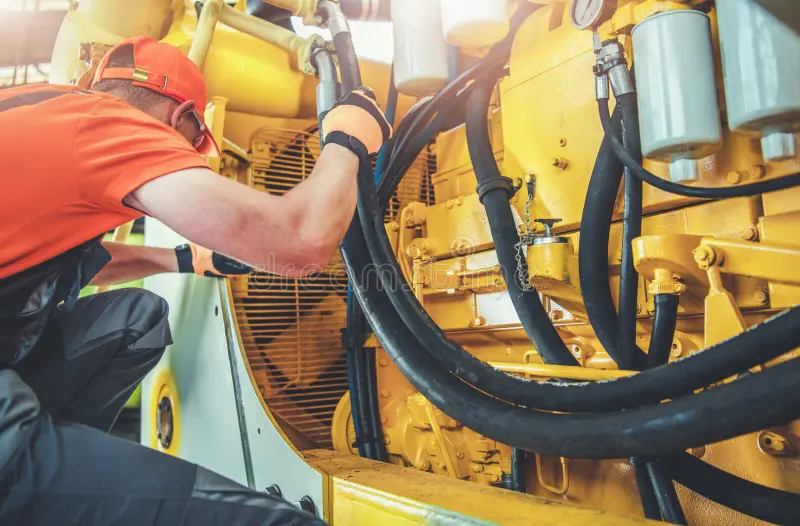
Heavy earthmoving machinery is built to handle demanding work, but even well-maintained equipment can develop engine, hydraulic, electrical or mechanical problems. A diesel earthmoving mechanic plays an important role in keeping excavators, loaders, graders, bulldozers, dump trucks and other plants operating safely and reliably. Their work goes beyond fixing a machine after it breaks down. It can include inspections, diagnostics, scheduled servicing, component repairs and preventative maintenance designed around the machine’s workload.
For Brisbane construction, civil, excavation and earthmoving businesses, reliable machinery can make a significant difference to daily productivity. A qualified diesel earthmoving mechanic understands the combination of diesel engines, hydraulics, drivetrains, electrical systems and undercarriage components found in heavy plants. This specialist knowledge allows faults to be identified before a minor issue develops into a major equipment failure.
What Does a Diesel Earthmoving Mechanic Do?
The role of a diesel earthmoving mechanic covers a broad range of mechanical and diagnostic work. Unlike a general vehicle mechanic, an earthmoving equipment specialist works with machinery designed to operate under heavy loads, in dusty environments and across uneven terrain.
A typical job may begin with an inspection and discussion with the operator. The mechanic then checks symptoms, warning lights, fluid levels, unusual noises, performance changes and visible signs of damage. Diagnostic equipment may be used to identify electronic faults, while mechanical testing can help confirm problems that are not immediately visible.
The mechanic may then repair, replace, adjust or rebuild the affected component. A final operational check helps confirm that the machine is functioning correctly before returning to regular work.
Why Is Specialist Earthmoving Mechanical Knowledge Important?
An earthmoving equipment mechanic needs to understand how different machine systems work together. An engine problem, for example, may affect hydraulic performance, while an electrical fault can cause warning systems or electronic controls to malfunction.
Heavy machinery also operates under conditions that are considerably harsher than ordinary road vehicles. Dust, mud, vibration, high operating temperatures, heavy loads and long working hours can accelerate wear.
A diesel mechanic for heavy equipment therefore needs to consider the machine’s application, service history, operating environment and manufacturer recommendations rather than treating every fault in the same way.
Which Systems Does a Diesel Earthmoving Mechanic Service?
A diesel earthmoving mechanic may work across several major systems, depending on the machinery and the nature of the fault.
|
Machinery system |
Typical inspection or repair work |
Why it matters |
| Diesel engine | Diagnostics, servicing, cooling checks and repairs |
Supports reliable power and operating performance |
|
Fuel system |
Filter, injector and fuel-system checks | Helps maintain efficient combustion and engine response |
| Hydraulics | Hose, cylinder, pump and leak inspections |
Controls lifting, digging and other hydraulic functions |
|
Electrical system |
Fault finding, wiring and component testing | Supports starting, controls, sensors and safety systems |
| Undercarriage | Track, roller, pin, bush and wear inspections |
Helps maintain stability and machine movement |
|
Drivetrain |
Component inspection, servicing and repairs | Transfers engine power effectively to the machine |
| Cooling system | Radiator, coolant and temperature checks |
Helps prevent overheating during demanding operation |
This broad capability is one reason diesel earthmoving mechanic services are useful for businesses operating multiple types of plant. Instead of treating the engine, hydraulics and mechanical systems as separate concerns, the mechanic can investigate how the different components interact.
What Types of Heavy Machinery Can They Work On?
A heavy machinery mechanic can work on many categories of construction and earthmoving equipment. The exact machinery supported depends on the mechanic’s experience, diagnostic equipment and manufacturer requirements.
Common examples include excavators, skid steers, track loaders, bulldozers, wheel loaders, graders, dump trucks, rollers, compactors, backhoes and other specialized equipment. BHS Equipment’s Brisbane earthmoving service also lists equipment such as scrapers and drill and mining machinery among the plants its technicians can service.
For operators managing several machines, using an experienced heavy diesel mechanic can also make maintenance planning easier. Service records, recurring faults and component wear can be monitored across the fleet rather than dealt with only when individual machines fail.
How Does Diesel Machinery Servicing Prevent Problems?
Regular diesel machinery servicing is not simply an oil-and-filter exercise. A thorough service provides an opportunity to inspect components that may become costly problems if ignored.
During scheduled servicing, technicians can assess fluids, filters, belts, hoses, batteries, cooling systems, hydraulic components, electrical connections and other wear points. The service interval should be based on the manufacturer’s recommendations and the way the equipment is used.
For example, a machine working long hours in dusty conditions may require particularly careful attention to filtration and cooling. Equipment used for heavy excavation may experience greater hydraulic and undercarriage loads.
A planned approach to earthmoving equipment maintenance can therefore help identify deterioration while a machine is still operational, giving operators more control over when repairs are carried out.
When Should You Call a Diesel Earthmoving Mechanic?
Some equipment problems are obvious, such as a machine refusing to start, losing hydraulic pressure or developing a major fluid leak. Other warning signs can be more subtle.
Operators should pay attention to changes in engine noise, starting behavior, exhaust appearance, fuel consumption, hydraulic response, operating temperature and machine movement. Warning lights and electronic fault codes should also be investigated rather than repeatedly reset without identifying the underlying cause.
Common reasons to arrange an inspection include:
- Unusual engine noises, excessive smoke or starting difficulties; hydraulic leaks, slow movements or loss of operating pressure; electrical faults, warning lights or intermittent controls; excessive vibration, steering or drivetrain changes; worn tracks, pins, bushes or other undercarriage components; and scheduled servicing based on operating hours or manufacturer recommendations.
Prompt attention does not guarantee that a major failure will be avoided, but it can provide an opportunity to identify developing faults before they affect a project.
How Are Earthmoving Machinery Repairs Carried Out?
Professional earthmoving machinery repairs generally start with diagnosis rather than immediately replacing parts. This distinction is important because similar symptoms can have different causes.
For example, poor hydraulic performance could be associated with a damaged hose, contaminated fluid, a pump issue, a valve problem or another system fault. Replacing an unrelated component without proper diagnosis can waste time and money.
A diesel earthmoving mechanic may combine visual inspection, electronic diagnostics, pressure testing, component testing and operational checks to establish the cause. Once the fault is identified, the appropriate repair or replacement can be planned.
For Brisbane operators, mobile servicing can also be useful when moving a large machine to a workshop is impractical. BHS Equipment provides mobile earthmoving repairs across Brisbane Northside, Southside and surrounding areas, including hydraulic, engine and electrical work.
What Role Does Safety Play in Heavy Equipment Repairs?
Safety is an essential part of heavy equipment repairs. Earthmoving machines contain stored hydraulic energy, moving components, heavy attachments and elevated structures that can create serious hazards during inspection and maintenance.
Workplace Health and Safety Queensland advises that powered mobile plants should be regularly inspected and maintained according to manufacturer recommendations. Its excavation guidance also states that defects posing an immediate health and safety risk should result in the plant being removed from service until the defect is rectified.
For further guidance, operators can review the Queensland Government’s mobile plant safety guidance, which covers risk management and safe practices around mobile and operational plants.
This is particularly relevant because repairs should not be rushed simply to return equipment to work. A competent diesel earthmoving mechanic should follow suitable isolation, inspection and testing procedures before machinery is returned to service.
Why Is Preventative Maintenance Important for Brisbane Machinery?
Brisbane’s construction and civil machinery can operate in demanding conditions, making earthmoving equipment maintenance an important part of fleet management. Preventative maintenance provides a structured way to monitor machine condition rather than waiting for a breakdown.
A useful maintenance programmed can include scheduled servicing, fluid and filter checks, lubrication, hydraulic inspections, electrical testing, undercarriage inspections and checks of safety-related components.
Maintenance records are also valuable. They can show when a machine was serviced, which components were repaired and whether the same fault has appeared repeatedly. This information can help owners and fleet managers make better decisions about future repairs and component replacement.
How Can Mobile Service Reduce Equipment Downtime?
A mobile diesel earthmoving mechanic can inspect or repair machinery at the location where it is being used, subject to the nature of the fault and safe working conditions. This can be particularly practical for excavators, loaders and other large machines that are difficult or costly to transport.
Mobile support may cover routine servicing, diagnostics, hydraulic repairs and breakdown assistance. BHS Equipment states that its mobile service vehicles are equipped for onsite diagnostics, hydraulic work, diesel servicing and emergency breakdown support across Brisbane.
The objective is not simply speed. The repair still needs to be properly diagnosed, completed using appropriate components and checked before the machine returns to normal operation.
What Should You Look for in a Diesel Earthmoving Mechanic?
When selecting a diesel earthmoving mechanic, machinery owners should consider relevant experience, diagnostic capability, knowledge of heavy equipment systems and familiarity with the types of machines in their fleet.
It is also useful to ask whether the service covers scheduled maintenance as well as breakdown repairs. A mechanic who can support both areas may help create a more consistent maintenance history for the equipment.
For Brisbane businesses, service coverage is another practical consideration. Mobile capability can be valuable when machinery is working across multiple construction, excavation or civil sites.
Conclusion
A diesel earthmoving mechanic does much more than repair a machine after it stops working. Their role can include diagnostics, scheduled servicing, hydraulic repairs, engine work, electrical fault finding, undercarriage inspections and preventative maintenance. For businesses operating heavy plants in Brisbane, these services can support dependable equipment performance and better maintenance planning.
When machinery is due for servicing or a fault is affecting productivity, choosing a specialist with experience across earthmoving equipment can make the repair process more structured. For professional earthmoving equipment service and repair, BHS Equipment provides mobile and workshop support across Brisbane.
FAQs
-
1. What is a diesel earthmoving mechanic?
A diesel earthmoving mechanic specialises in inspecting, servicing and repairing diesel-powered earthmoving and heavy machinery. Their work can include engines, hydraulics, electrical systems, drivetrains and undercarriage components.
-
2. How often should earthmoving equipment be serviced?
Service intervals vary according to the machine, manufacturer, operating hours and working conditions. The manufacturer's maintenance schedule should be the starting point, with additional inspections where equipment operates under particularly demanding conditions.
-
3. Can a diesel earthmoving mechanic repair hydraulic systems?
Yes. Experienced technicians may diagnose hydraulic leaks, pressure problems, damaged hoses, cylinder faults and other hydraulic issues. The exact repair depends on the machine and the cause of the problem.
-
4. Can heavy machinery be repaired onsite in Brisbane?
Many faults can be diagnosed or repaired onsite when suitable equipment, parts and working conditions are available. Mobile servicing can reduce the need to transport large machinery to a workshop.
-
5. Why is preventative maintenance important for earthmoving equipment?
Preventative maintenance helps identify wear, leaks, fluid issues and other developing faults before they become more disruptive. It can also support reliable operation and help maintain the machine according to manufacturer requirements.