
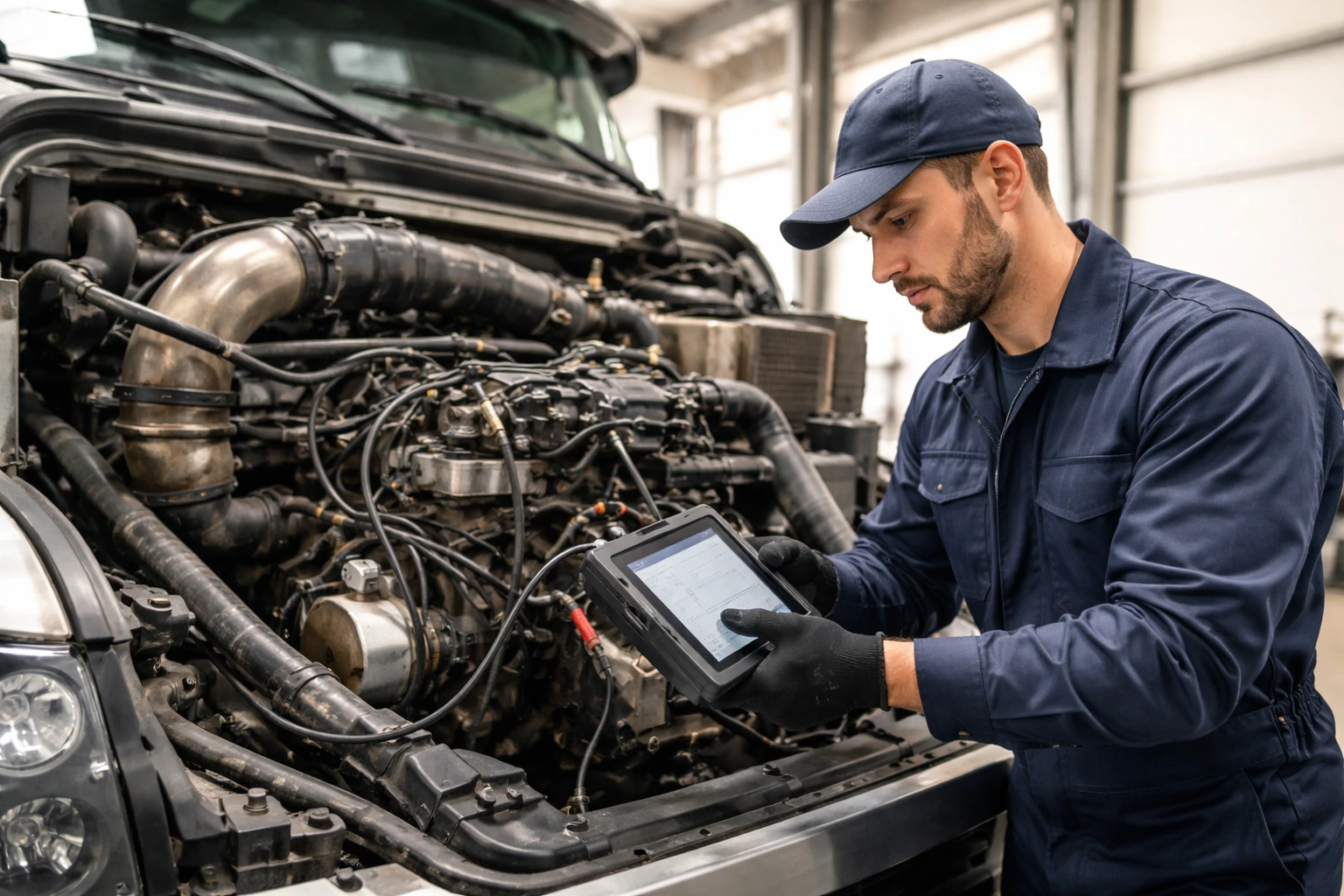
A diesel engine rarely fails without giving some warning first. Hard starting, unusual smoke, weak acceleration, rising fuel use or a new engine noise can point to a developing fault. For Brisbane businesses running trucks, forklifts, earthmoving machinery, generators or other equipment, recognizing these signs early can prevent a minor issue becoming expensive downtime.
Knowing when you may need diesel engine repairs Brisbane operators can rely on also makes it easier to arrange the right diesel engine repairs Brisbane inspection before further damage occurs.
Diesel engines are built for demanding work, but they still depend on clean fuel, correct lubrication, adequate cooling, good airflow and regular inspections. Brisbane’s heat, humidity and dusty work sites can place additional pressure on these systems. Early diagnosis usually gives a diesel mechanic Brisbane businesses trust more information and more repair options.
Why Diesel Engine Repairs Brisbane Matter
An engine problem that seems small can affect several components at once. A restricted air filter can reduce airflow, while an injector that is not delivering correctly can cause rough running, smoke and higher consumption. Continuing to operate in that condition may increase wear on related components.
This is why diesel engine repairs Brisbane operators arrange at the first reliable warning can be more cost-effective than waiting for a complete breakdown.
What Are the Most Common Warning Signs?
1. Difficulty Starting
A healthy diesel engine should start consistently when the battery, fuel and engine systems are in good condition. Longer cranking, repeated attempts or an engine that starts and then stalls can indicate fuel delivery problems, weak batteries, glow plug faults or air entering the fuel system.
Notes about when the issue occurs can help with diesel engine diagnostics, because temperature, load and operating time may reveal useful clues. Persistent symptoms should prompt diesel engine repairs Brisbane assessment rather than repeated attempts to work through the fault.
2. Loss of Power Under Load
If a truck struggles on hills, machinery takes longer to reach working speed or a vehicle feels weaker while carrying a load, do not simply assume it is normal wear. Restricted fuel flow, blocked filters, turbocharger problems, injector faults, sensor issues or poor air supply can affect output.
Power loss matters particularly on equipment used for lifting, earthmoving or towing. Continued operation without inspection can turn a performance problem into more extensive diesel engine repairs Brisbane work.
3. Excessive or Unusual Exhaust Smoke
Exhaust color can provide useful information, although it should never be treated as a diagnosis by itself. Smoke may be associated with incomplete combustion, excess fuel, oil entering the combustion chamber, coolant-related problems or an air-fuel imbalance.
A diesel engine mechanic Brisbane operators use should consider the engine model, operating conditions, fault codes and service history before deciding what the smoke means. A timely inspection can confirm whether diesel engine repairs Brisbane are necessary or whether a service will solve the issue.
4. Unusual Engine Noises
Knocking, rattling, tapping, whining or a new ticking sound should not be ignored. Tell the technician when the noise occurs and whether it changes with engine speed or load. This can make diesel engine troubleshooting faster.
5. Increased Fuel Consumption
A noticeable increase in diesel use without a corresponding change in workload can indicate reduced efficiency. A gradual increase can be an early sign that diesel engine repairs Brisbane support may soon be needed.
Fuel consumption should be considered alongside service history and operating conditions rather than viewed in isolation.
6. Oil or Coolant Loss
Oil spots under equipment, falling oil levels, coolant stains or repeated top-ups are reasons to investigate. If a leak is visible, avoid unnecessary operation and arrange an inspection. This is a common reason to arrange diesel engine repairs Brisbane before the vehicle is taken back to heavy work.
7. Warning Lights and Fault Codes
Modern diesel engines use electronic control systems to monitor sensors, fuel delivery, emissions equipment and other functions.
Proper diesel engine diagnostics can read stored fault information and combine it with physical testing. Accurate testing is central to effective diesel engine repairs Brisbane because symptoms can have several possible causes.
Common Diesel Engine Problems and What They Can Mean
|
Warning sign |
Possible area of concern | Why prompt attention matters |
| Hard starting | Battery, fuel system, glow plugs |
Prevents repeated starting attempts |
|
Loss of power |
Air intake, turbo, injectors | Protects performance and reduces wear |
| Excessive smoke | Fuel, oil, air or combustion |
Helps identify developing faults |
|
Unusual noise |
Injectors, turbo, bearings | May prevent major component damage |
| Rising fuel use | Injectors, filters, turbo |
Exposes efficiency problems early |
|
Oil or coolant loss |
Seals, hoses, radiator | Helps avoid overheating or lubrication failure |
| Warning light | Sensors, emissions, engine management |
Supports accurate fault testing |
When Should You Book Diesel Engine Servicing Brisbane?
Do not wait for complete failure before arranging an inspection. Regular diesel engine servicing Brisbane businesses schedule should follow the manufacturer’s recommendations and be adjusted for real operating conditions. Equipment working long hours, carrying heavy loads or operating around dust may need closer monitoring.
This history gives a diesel mechanic Brisbane operator a clearer picture of equipment performance and can help plan diesel engine repairs Brisbane before a breakdown. Keeping service records also helps technicians assess the history behind diesel engine repairs Brisbane decisions.
Preventive checks between services matter too. Check fluid levels, look for leaks, listen for new noises and report changes in starting, smoke, power or fuel consumption. These observations support diesel engine troubleshooting and can reduce the chance of unexpected diesel engine repairs Brisbane.
Queensland operators working with heavy vehicles should also understand applicable inspection requirements. Queensland’s Department of Transport and Main Roads provides inspection information for light and heavy vehicles, while the National Heavy Vehicle Inspection Manual sets out inspection criteria for heavy vehicles. See the official vehicle inspection manuals for authoritative guidance.
How Professional Diesel Engine Diagnostics Helps
A proper diagnostic process should start with symptoms and service history, not a parts list. A technician may inspect the engine visually, check fluid condition, scan electronic systems, test fuel pressure, assess air intake restrictions and examine cooling performance.
This approach is valuable because electronic controls and mechanical systems interact closely. Accurate diesel engine diagnostics can distinguish between a sensor fault, fuel delivery issue and genuine mechanical problem, helping guide the right diesel engine repairs Brisbane solution.
Why Diesel Engine Maintenance Reduces Downtime
Maintenance cannot prevent every breakdown, but it can reduce avoidable failures. Regular inspections give technicians opportunities to find leaks, worn hoses and deteriorating parts before they become urgent.
Servicing can be scheduled around quieter operating periods rather than waiting for a vehicle or machine to stop unexpectedly. A planned response can make diesel engine repairs Brisbane less disruptive to daily operations.
The right interval should reflect the manufacturer’s recommendations, engine type, operating hours and environment.
When Is Diesel Engine Repairing Brisbane Support Urgent?
Stop and seek professional advice if there is severe overheating, a major oil-pressure warning, heavy smoke, loud internal knocking, substantial fluid loss, sudden power loss or an engine running dangerously rough.
For operators dealing with these warning signs, diesel engine repairs Brisbane support can establish whether the problem is minor or developing into a major failure.
Choosing the Right Diesel Mechanic Brisbane Service
Ask whether the technician has experience with your equipment type, whether diagnostic equipment is available, whether mobile servicing suits your location and whether you will receive a clear explanation of the findings.
For businesses operating trucks and heavy machinery, a provider that can handle diagnostics, servicing and repairs can simplify maintenance. BHS Equipment provides mobile diesel services across Brisbane, including diagnostics, servicing, breakdown assistance and repairs for trucks, Utes and heavy machinery.
Conclusion
Knowing the early warning signs can make a significant difference to operating costs and reliability. Hard starting, power loss, unusual smoke, strange noises, increased fuel use, fluid loss and warning lights should be treated as useful signals rather than inconveniences to ignore.
For Brisbane fleets and machinery operators, arranging diesel engine repairs Brisbane support early can help identify faults before they become major failures. Combined with scheduled servicing, accurate diagnostics and sensible diesel engine maintenance, early action can keep equipment working more reliably and reduce the risk of major diesel engine repairs Brisbane.
If your vehicle or machinery shows these signs, contact BHS Equipment today to discuss the problem and arrange an inspection before a manageable fault becomes an expensive breakdown.
FAQs
-
1. How often should a diesel engine be serviced?
Follow the manufacturer’s recommended interval first. Heavy use, dust, heat and high operating hours may justify more frequent inspections.
-
2. Can a diesel engine run with reduced power?
Reduced power can indicate a developing fault. Continuing under heavy load without diagnosis can increase wear or worsen it.
-
3. What does black smoke from a diesel engine mean?
Black smoke can indicate incomplete combustion or an air-fuel imbalance. Professional testing is recommended.
-
4. Are warning lights always a sign of serious engine damage?
No. It can be triggered by a sensor, emissions system or other fault. However, it should be investigated, especially if performance has changed.
-
5. What is the benefit of mobile diesel engine repairs?
Mobile support can reduce the need to transport large machinery or disabled vehicles to a workshop. A technician can assess suitable equipment at the work site or depot, reducing downtime.