

Driving along Brisbane’s busy highways can quickly turn stressful if your diesel engine begins to show signs of trouble, such as unusual noises, reduced performance, or sudden sputtering. While these warning signals may seem minor at first, ignoring them can lead to serious mechanical failures and costly repairs.
Prompt diesel engine repairs Brisbane play a crucial role in preventing small issues from escalating into major engine damage. When problems are identified and addressed early, whether it’s a fuel system fault, injector issue, or unusual engine vibration, you significantly reduce the risk of a complete breakdown. Acting quickly allows technicians to diagnose the root cause and fix it before it affects other engine components.
Timely diesel engine repairs Brisbane also helps maintain engine efficiency and performance. A well-maintained diesel engine runs more smoothly, consumes fuel more efficiently, and delivers reliable power, especially during long drives or heavy-duty use. In contrast, delaying repairs can strain the engine, leading to overheating, excessive wear, and eventual failure.
In essence, quick diesel engine repairs Brisbane act as a safeguard for your vehicle. They not only extend the lifespan of your engine but also provide peace of mind on the road, ensuring you avoid unexpected breakdowns and expensive emergency repairs.
Why Quick Diesel Engine Repairs Brisbane Matter
The old saying “a stitch in time saves nine” couldn’t ring truer for diesel engines. Neglect a small leak or funny sound now, and you might end up with a cracked block or seized bearings later. In fact, a diesel service guide warns that skipping early fixes only “increases cost, downtime, and risk,” while catching wear early can “add years to your truck’s life.” That’s a lot to gain by simply booking a quick repair.
Diesel engines in Brisbane face unique stresses: scorching heat thins oil faster, sudden downpours can water-log fuel, and dusty backroads fling debris into filters. WorkSafe Queensland even advises heavy machinery forklifts, utes or semis “should be regularly inspected and maintained according to the manufacturer’s instructions.”
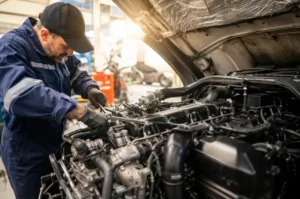
diesel engine repairs brisbane
In other words, routine checks aren’t optional. When you stay on top of maintenance , you minimise downtime and avoid roadside horror shows. As a local diesel tech put it bluntly, timely upkeep “prevents equipment failures and downtime,” saving you from having your rig conk out during a crucial job.
Plus, think of your engine like a marathon runner. If it starts limping, you don’t just let it drag on; you stop and fix it. Quick diesel engine repairs Brisbane do exactly that. Fix that oil leak, clear that clogged injector, tighten that loose belt before things spiral. This approach keeps your engine running fresh and reliable and far away from that worst-case “I need a full rebuild” scenario. In short: prompt repairs now protect your diesel’s lifespan and your wallet.
Spotting Warning Signs: Diesel Trouble Ahead
Your diesel’s trying to talk to you are you listening? Those smoke clouds, weird noises and dashboard lights are not just drama; they’re red flags screaming for attention. Here are the top trouble signs and why urgent attention is key:
- Struggling to Start or Rough Idling: If your engine labors on cranking or idles like it’s about to stall, it could be early compression loss or injector issues. Don’t wait. As one truck blog notes, “struggling to start or rough idling is one of the first indicators” that you may need diesel engine repair. Get it seen quickly to avoid a no-start situation or draining your battery and starter.
- Excessive Exhaust Smoke: Black, blue or white clouds from your tailpipe are a clear SOS. Black smoke means over-fueling, blue means burning oil, white means coolant entering combustion. These are clues not to ignore. Each color hints at a different fix, and a heavy-duty diesel mechanic will know how to diagnose it right away. Quick repairs stop unburnt fuel or oil from wrecking the turbo or catalytic parts.
- Knocking, Tapping or Clunking Noises: Picture an angry woodpecker echoing under your bonnet; that’s not normal. Metal-on-metal knocks often point to worn bearings or rods. One diesel rebuild blog colorfully warns these are “mechanical screams for help”; ignoring them will lead straight to engine seizure. In short, if it doesn’t sound right, get it checked. Early fixes to worn parts cost peanuts compared to a $10k engine replacement.
- Power Loss or Poor Performance: Does your truck feel like it’s hauling a lead weight when going uphill? A loss of pep usually means turbo, fuel or airflow issues. Stalling, weak acceleration or check-engine lights mean your engine isn’t burning right. Don’t shrug them off “a drop in power output and acceleration issues are clear signs” you need service.” A swift fuel-system cleaning or tuning can restore power and avoid deeper damage.
- Warning Lights on Dash: That amber engine symbol isn’t decorative. It’s a little mechanic in your dashboard telling you to see the shop. A diagnostic run right away is smart; DIY guessing or driving on for months is not. A professional scan can often spot problems before they blow up. In other words, treat every warning light as a call for diesel engine repairs brisbane (the lab coat can find stuff you can’t).
- Leaking Oil, Coolant or Fuel: See puddles? Act fast. Any drip under your rig especially oil or fuel, is not just messy; it’s dangerous. Low fluids = big trouble. A tiny leak could be a blown gasket or cracked hose in the making. As one specialist puts it, “Leaks and drips aren’t just messy; they’re dangerous. A small leak may indicate a warped surface, blown gasket, or cracked block. ” Fixing a loose clamp now is far cheaper than rebuilding a warped head later.
Remember, you know your truck best. If something feels off, don’t wait. Early diesel engine repairs Brisbane means catching faults at the “tune-up” stage instead of facing an engine teardown. And with Brisbane’s busy roads and jobs relying on heavy gear, avoiding downtime is gold.
Finding a Diesel Mechanic and Mobile Repairs in Brisbane
So you’ve spotted a fault who ya gonna call? A seasoned diesel mechanic in Brisbane is your best bet. These pros have the right tools and know-how that DIY simply can’t match. As one equipment blog notes, diesel mechanics in Brisbane “have specialized tools and training for these jobs”, from fuel pump rebuilds to injector calibration. In plain English, that means they can run onboard diagnostics and handle the tricky stuff (like high-pressure pumps or DPF cleaning) safely. Bottom line: even if you’re handy, some repairs are best left to the experts.
Diesel mechanic Brisbane vs truck mechanic Brisbane what’s up? In essence, they often overlap. Heavy-duty trucks and diesels go hand-in-hand. Many Brisbane workshops or mobile techs cater to both trucks and other diesel rigs. When you hear about truck repairs brisbane, think big-rig specialists – they usually do diesel engines too. If your ute is a diesel or your big rig needs care, a diesel mechanic Brisbane will often be the same tech fixing both. Always ask: “Can you handle my truck?” Because big trucks sometimes require extra muscle or airbag lifts that not every shop has.
These days, the coolest option is mobile diesel repairs brisbane mechanics who come to you. Imagine you’re on-site, half a job to go, and suddenly the engine flags. Instead of towing, a mobile diesel tech drives out with tools. It’s like having a workshop in a van.
Brisbane companies advertise “Mobile diesel repairs Brisbane” for a reason: no towing fees, no workshop wait. They’ll do full diagnostics, fix fuel systems, or even tune your engine on the spot. It’s perfect for busy jobsites or fleets you schedule them around your work, not the other way. As one fleet blog cheerfully notes, mobile servicing is “the shortcut to less downtime, more uptime”.
To pick the right mechanic, focus on experience and coverage. Ask if they can handle both planned servicing and emergency fixes, if they’re fully licensed, and if they cover all Brisbane and regional areas. Many local shops explicitly advertise Diesel Engine Repairs Brisbane, meaning they live and breathe these repairs. Checking Google reviews can help too. And if an on-site fix is needed, look for “mobile diesel repairs Brisbane” you’ll find teams ready to come out, tools in hand, to save the day.
Hydraulic and Fuel System Repairs: Protecting the Heart of Your Diesel
Diesel engines aren’t just metal blocks they’re powered by fluids and hydraulics. In heavy machines (trucks, forklifts, machinery), hydraulic lifts and fuel injectors are critical parts of the puzzle. Brisbane’s climate and environment can pound these systems: dust clogs filters, humidity invites water in fuel, and salt air (near the coast) corrodes lines. If you skip maintenance on these, you risk not just brakes and hydraulics failing, but your engine starving or overheating.
Hydraulic and fuel system repairs often start simple. Dirty hydraulic oil or a clogged fuel filter today can lead to pump failure tomorrow. A heavy equipment advice blog points out that Brisbane gear deals with “dust & debris,” “heat & humidity,” and “coastal salt,” all of which stress oil and fuel systems. The fix? Routine fluid checks and filter changes.
For example, check hydraulic oil weekly (look for clarity, no milky/water, and full levels) and replace hydraulic filters every 6–12 months. On the fuel side, use quality diesel, drain water separators after rain, and swap fuel filters roughly every 32,000 km. These small steps keep your injector pump and fuel lines clean and a clean fuel system means a happier engine.
Why does this save your engine? Because dirty oil or fuel starves and scratches moving parts, raising temps and wear. A clogged fuel filter means starvation and stalling. Water in diesel rusts injectors. Overheated hydraulic fluid can burst seals, causing leaks.
BHSEquipment stresses that “a well-maintained hydraulic pump or fuel injector can run like new for years longer than a neglected one.” In other words, don’t ignore those fluids! Think of hydraulic and fuel system repairs as preventive medicine: fix or replace hoses, valves, or filters before they ruin the engine.
Below is a sample maintenance schedule for diesel engines (adapted to local conditions):
|
Maintenance Task |
Action |
Frequency |
| Engine Oil & Filter | Check level, change oil & filter |
Weekly check; change every 10,000–15,000 km (or as manufacturer recommends) |
|
Fuel Filters |
Inspect & replace if dirty | ~20,000–25,000 km (more often in dusty conditions) |
| Air Filter | Inspect & replace if clogged |
15,000–20,000 km or annually |
|
Hydraulic Fluid/ Filters |
Check levels; replace filters | Weekly check; flush fluid every 6–12 months |
| Coolant System | Check level and state; flush |
Inspect monthly; flush every 2 years |
|
Belts & Hoses |
Inspect for cracks or leaks | Monthly or 10,000 km |
| Battery & Electrical | Clean terminals, test battery |
Monthly or before winter |
|
Water Separator (fuel) |
Drain accumulated water | After heavy rain or weekly |
| Exhaust & Turbo | Inspect for leaks or unusual noise |
Annually (or if symptoms appear) |
|
DPF & Emissions |
Service as per service light |
Check codes immediately (each warning) |
With a plan in place, you can catch a slip long before it becomes a slide. For example, spotting oil or fuel leaks early (perhaps during the weekly walkaround) can save you from engine hydrolock or fire risks. And booking a quick checkup for that thumping sound could simply be a loose injector line. By treating minor fixes as urgent, you ensure nothing snowballs into a total failure.
Maintenance vs Mechanics: The Right Mix
Let’s get personal. A few years back, I was hauling a trailer from Brisbane to Rockhampton. Halfway up the Bruce Highway, my trusty old diesel started knocking. I ignored it, thinking it was just moody from the heat and load. Big mistake. Hours later I was sidelined with a seized engine, watching ants in the back of a tow truck. Would I have preferred a quick fix in Brisbane before that trip? Absolutely. That clunk was one of those “mechanical screams for help”.
Most of us aren’t DIY experts on diesel tech, and that’s okay. Do the easy checks yourself check oil, top up coolant, tighten some clamps.
But don’t play hero with heavy stuff like injection pumps or hydraulics. Even the best handyman shouldn’t rebuild a pump on the roadside. Modern diesels have sophisticated computer controls, and as BHSEquipment stresses, “Diesel mechanics have tools and know-how for complex tasks…” They prevent mistakes that DIYers might make and ensure your repairs meet safety standards.” This isn’t to scare you; it’s just that spilling the wrong fluid or mis-torquing a fuel line can cause more damage than you started with.
So what’s the mix? Do your part: keep it clean, do minor changes on schedule, and listen to your truck. Then when something beyond basics pops up, call in a pro.
For instance, a quick injector cleaning kit is fine for DIY, but if your engine light is on or you hear rod knock, it’s time to call a professional. Brisbane’s diesel specialists can handle everything from advanced diagnostics to brake lining, even offering on-site services. Referring to the Diesel Exhaust Risk Management Guide, timely professional attention is essential not only for performance but also for safety and long-term engine health. It’s the difference between a simple oil change and relying on a specialist with advanced diagnostic tools your engine and your peace of mind, will thank you.
Engine Lifespan: The Power of Prevention
Here’s a fun fact from a diesel deep dive: “A well-maintained diesel engine can last 1,000,000 to 1,500,000 miles sometimes up to 30 years, before needing major repairs.” Unreal? Maybe. But even if miles or years vary in Aussie conditions, the point stands: longevity rocks. Those trucks from Texas might only see dirt roads down here, but the lesson holds: maintenance hugely extends life.
By contrast, diesel engines that are neglected often bite the dust by ~300,000 miles (480,000 km) or even less. Common failures for neglected engines include cracked heads (from unchecked overheating) or catastrophic bearing failure (from old oil and debris). Suddenly that overdue repair feels very cheap compared to a full rebuild or replacement.
Moreover, quick repairs pay off in uptime. According to a fleet maintenance blog, downtime isn’t just lost hours; it burns cash and trust. It’s like paying workers to twiddle thumbs while the project stalls. Using mobile diesel repairs Brisbane means “no towing, fast diagnostics, [and] cuts out workshop queues,” directly trimming that downtime. Less downtime = more profits and fewer excuses for upset clients.
In sum, proactive care is cheaper and safer. The small cost of early repairs is tiny compared to the big bill (and headache) of an engine failure. Plus, a well-tuned engine runs cleaner. Less soot, fewer emissions, better fuel economy it all feeds back into saving you green (and keeping WorkSafe, police or environmental regs happy).
Conclusion and Next Steps
Alright, let’s bring it home. You’ve seen the signs and tips now it’s a no-brainer. When your diesel grumbles, don’t shrug. Diesel engine repairs Brisbane (and maintenance broadly) are the best insurance policy for your engine’s future. Quick fixes and regular checks keep your vehicle dependable, efficient, and off the expense list of major breakdowns.
Here are your key takeaways:
- Listen to your truck. Strange sounds or smoke? Act fast. Fixing small issues early prevents big failures later.
- Use the right pros. A certified diesel mechanic in Brisbane has the tools and smarts to handle complex repairs. They can diagnose that engine light and do engine rebuild-level work if needed.
- Embrace mobile repairs. If downtime is the enemy, a mobile diesel repairs Brisbane service is your friend. They’re literally engine doctors who come to you, cutting out towing delays.
- Mind the whole system. Don’t forget hydraulics and fuel filters. Brisbane’s heat, dust and salt stress these systems. Clean fluid, tight hoses and new filters keep everything running smoothly.
- Stick to maintenance. Follow a schedule (see table above) and record everything. Even WorkSafe says to regularly inspect and maintain heavy vehicles per manufacturer instructions. It’s not trendy jargon it’s practical survival.
Now, over to you. Give your diesel the TLC it deserves. Check your oil, inspect your hoses, and schedule that tune-up. Trust me, a quick trip to the mechanic today beats a tow-truck haul tomorrow. Stay safe on the roads, and may your diesel purr for miles to come.
Ready to keep rolling? Book a service with a trusted diesel mechanic Brisbane, or at least do a once-over this weekend. Your engine (and wallet) will thank you!
Frequently Asked Questions
-
How do I know if I need diesel engine repairs?
Look out for starting issues, odd sounds (knocking, tapping), smoke or leaks. Any unusual performance drop, warning light, or leak means you should get repairs ASAP. Early action prevents bigger problems later.
-
What’s the benefit of mobile diesel repairs in Brisbane?
Mobile diesel repairs Brisbane bring the workshop to you. No towing or delays – a qualified mechanic comes onsite for diagnostics and repairs. It saves downtime and can often fix your engine faster and cheaper than a tow-and-wait.
-
Can I do diesel repairs myself?
You can handle basics like oil changes and tightening clamps. But complex tasks (fuel pump rebuilds, hydraulic fixes, error diagnostics) need a trained diesel mechanic Brisbane. They have the tools and know-how to do it right and safely.
-
How often should I service my diesel engine?
Follow your vehicle’s service schedule (usually oil change every ~10–15k km, filters each service). In Brisbane, with heat and dust, you might check things like coolant and air filters more often (ask your mechanic). Regular scheduled check-ups prevent failures.
-
Why focus on hydraulic and fuel system repairs?
Diesel engines rely on hydraulic pressure and clean fuel. Dirty fluids or clogged filters strain the engine. Brisbane’s environment (heat, humidity, dust) makes fluids degrade faster. Keeping hydraulic and fuel systems in top shape avoids engine overheating, stalling, or injector damage.
-
Will quick repairs really save money?
Absolutely. Fixing a minor issue (like a small leak or worn injector) now costs far less than a major rebuild later. Plus, you avoid hauling costs and lost work time. An ounce of prevention really is worth a pound of cure!