
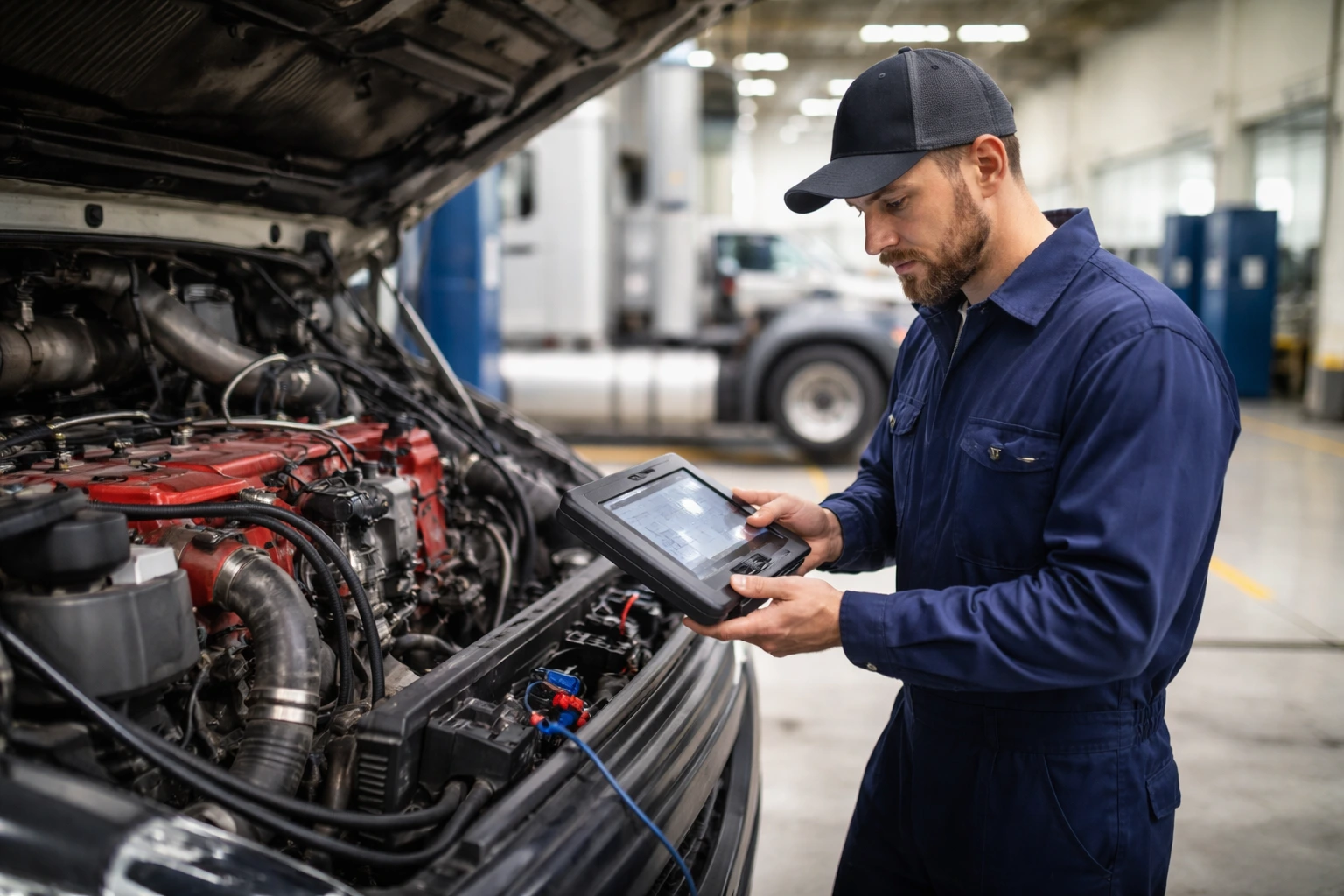
If your diesel particulate filter keeps blocking, the problem may involve frequent short trips, interrupted regeneration cycles, excess soot production or an underlying engine fault. A Diesel Mechanic Brisbane can diagnose why the DPF is filling repeatedly rather than simply clearing the warning light and waiting for it to return.
A diesel particulate filter, commonly called a DPF, is part of the exhaust emissions system on many modern diesel vehicles and machines. Its job is to capture particulate matter from the exhaust before those particles enter the atmosphere. Australian vehicle emission standards specifically regulate particulate emissions from diesel vehicles.
What Does a Diesel Particulate Filter Actually Do?
A DPF traps soot created during diesel combustion. As soot builds up inside the filter, the vehicle must periodically remove it through a process known as regeneration.
During regeneration, exhaust temperature rises enough to burn accumulated soot. Queensland Government guidance confirms that regeneration involves burning particulate matter accumulated in the DPF and that soot combustion can require temperatures above 600°C.
Depending on the vehicle, regeneration may happen automatically while driving or may require a specific operating cycle. Some commercial vehicles and machinery can also perform a parked or forced regeneration when conditions allow.
Problems start when the filter collects soot faster than the vehicle can remove it.
Why Does My DPF Keep Blocking?
Repeated DPF blockage usually means you need to look beyond the filter itself. Cleaning or regenerating a DPF may deal with the immediate restriction, but it will not necessarily correct the reason soot keeps accumulating.
Common causes include:
- frequent short-distance or low-speed operation
- regeneration cycles repeatedly being interrupted
- excessive idling
- incorrect engine operating temperature
- faulty exhaust temperature or pressure sensors
- injector or fuel-system problems
- excessive soot caused by incomplete combustion
- EGR system faults
- turbocharger or air intake problems
- engine oil or fuel contamination
- a DPF that has reached its ash-storage limit
The way a diesel is operated also matters. A work ute spending most of its day moving between nearby Brisbane job sites can experience very different exhaust temperatures from a vehicle regularly travelling longer distances at operating temperature.
Diesel machinery that spends long periods idling or working under changing loads can face similar problems.
How Driving Conditions Affect DPF Regeneration
A DPF needs the correct operating conditions to regenerate effectively. If your vehicle starts a regeneration and you repeatedly shut the engine down before the process finishes, soot can continue accumulating.
That does not mean you should simply take every blocked vehicle onto the motorway and drive until the warning disappears. Different manufacturers use different regeneration strategies, so always follow the owner’s manual and manufacturer instructions.
If the DPF warning has only recently appeared and the manufacturer specifies a driving regeneration procedure, following that procedure may be enough. If the warning returns shortly afterwards, further diagnosis is warranted.
Never perform a parked regeneration around dry grass, combustible materials or other fire hazards. Exhaust temperatures can become extremely high during regeneration.
Signs You May Need a Diesel Mechanic Brisbane
A DPF warning light on its own does not tell you exactly what has failed. Modern diesel systems use sensors and engine-management data to monitor exhaust conditions, so proper diagnosis can save unnecessary parts replacement.
Arrange an inspection if you notice:
- The DPF warning repeatedly returns after regeneration.
- The engine enters reduced-power or limp mode.
- Fuel consumption increases noticeably.
- The vehicle struggles under load.
- Regeneration happens much more often than normal.
- The engine or emissions warning light remains illuminated.
- Exhaust smoke becomes excessive.
- A forced regeneration fails or will not begin.
Visible smoke can point to issues beyond the DPF. NSW EPA guidance notes that black or grey diesel smoke can result from incomplete combustion and may be connected with injector maintenance, fuel delivery or unsuitable engine operating conditions.
Why Cleaning the DPF May Not Fix the Problem
DPF cleaning can be appropriate when the filter contains excessive soot or ash, but repeated blockage means the cause should also be investigated.
For example, a leaking injector can create excessive fuel and soot. A faulty sensor may prevent the engine control system from correctly determining when regeneration is needed. Problems with airflow, boost pressure or engine temperature can also affect combustion and exhaust temperature.
This is why replacing a DPF without diagnosis can become an expensive mistake. The new filter may block again if the original fault remains.
A Diesel Mechanic Brisbane should assess relevant fault codes, live sensor readings, pressure values and engine operating conditions before recommending major repairs.
Can You Prevent a DPF From Blocking?
You cannot prevent every DPF problem, but good operating and maintenance habits can reduce avoidable soot build-up.
Follow the correct servicing intervals for your vehicle or equipment and use the specified engine oil. Pay attention to warning lights rather than continuing to operate the vehicle until performance drops significantly.
Where practical, avoid unnecessarily interrupting an active regeneration cycle. You should also investigate unusual smoke, poor fuel economy, rough running or loss of power rather than assuming the DPF itself is responsible.
Government guidance recommends maintaining diesel vehicles according to manufacturer instructions because correct servicing helps keep emissions-control equipment operating properly.
Are DPF and Diesel Emissions Systems Important?
Yes. A DPF is not simply an optional exhaust component.
Australia’s Australian Design Rules regulate exhaust emissions from light and heavy vehicles, including particulate emissions. Current standards include ADR 79 for light vehicles and ADR 80 for heavy vehicles.
Particulate pollution is also a health concern. Very small particles such as PM2.5 can travel deep into the lungs, which is one reason vehicle emission controls are designed to reduce particulate output.
DPF or emissions-control modifications should therefore not be treated as an easy substitute for diagnosing a fault.
When to Call a Professional
If the warning disappears after a manufacturer-approved regeneration and does not return, further work may not be necessary. However, repeated warnings, failed regeneration, limp mode, excessive smoke or noticeable loss of power should be diagnosed before the problem becomes more serious.
BHS Equipment can inspect the diesel and emissions system to determine whether the issue involves the DPF itself or another engine component contributing to excessive soot. Booking a Diesel Mechanic Brisbane early can help you identify the actual fault instead of repeatedly clearing symptoms.
Conclusion
A DPF that keeps blocking is often a symptom rather than the entire problem. Short operating cycles and interrupted regeneration can contribute, but injector faults, sensors, airflow problems and other combustion issues can also cause excessive soot.
Follow the manufacturer’s regeneration and servicing instructions first when it is safe to do so. If the warning keeps returning or your diesel loses power, contact BHS Equipment for professional diagnosis from a Diesel Mechanic Brisbane and have the underlying cause checked before further damage develops.
FAQs
Can I keep driving with a blocked DPF?
It depends on the warning level and your vehicle manufacturer’s instructions. Continuing to drive with a heavily restricted DPF can lead to reduced engine performance or limp mode, so persistent warnings should not be ignored.
Will a long drive clear a blocked DPF?
Sometimes, if the filter only requires normal regeneration and the vehicle reaches the correct operating conditions. A drive will not fix a faulty sensor, injector problem or another mechanical issue causing excessive soot.
Why does my DPF warning come back after regeneration?
The engine may be producing soot faster than expected, the regeneration may not be completing correctly, or another emissions-system fault may be present. Diagnostic testing can help identify the cause.
Does a blocked DPF always need replacing?
No. Depending on its condition, a DPF may only require successful regeneration or professional cleaning. Replacement is generally considered when the filter is damaged, heavily contaminated or unable to operate correctly after the underlying cause has been addressed.