
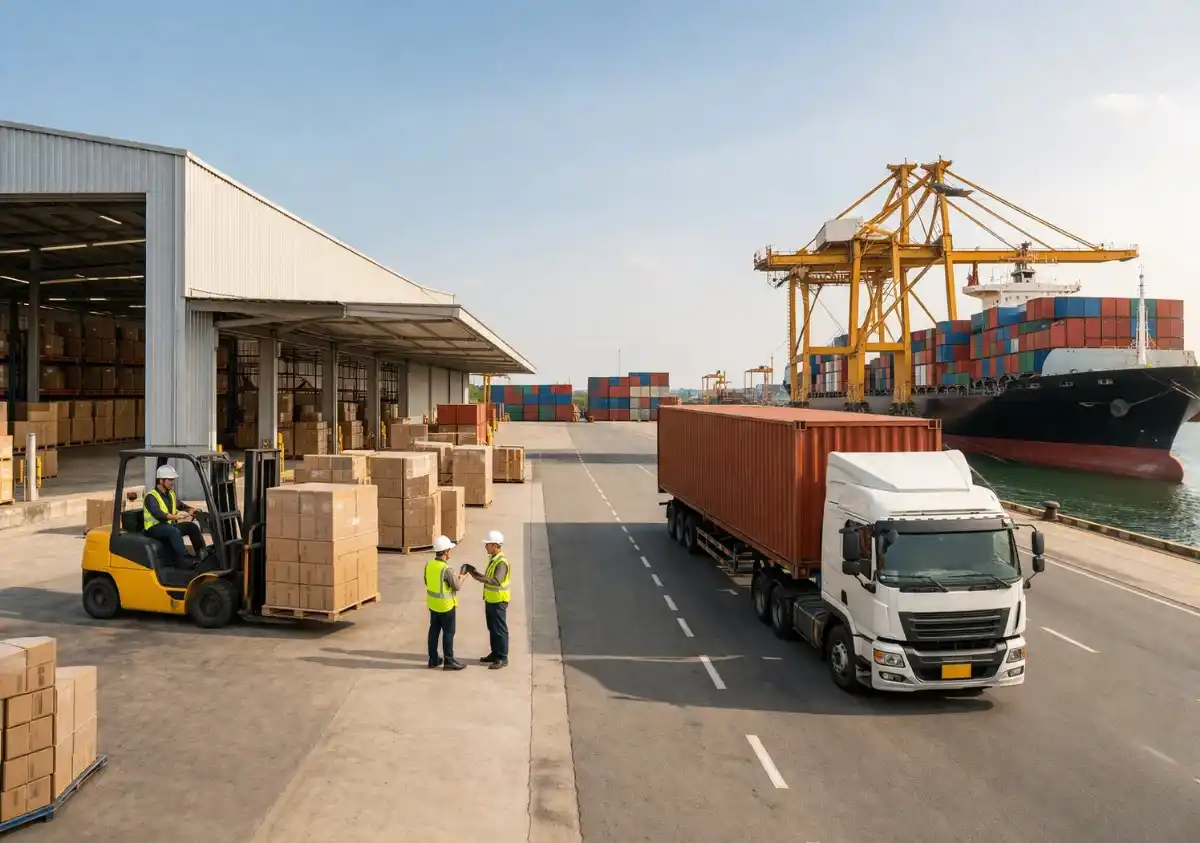
Everything is ready on-site, and the crew is in place. The schedule is tight, but one machine hasn’t arrived, and suddenly, the whole job slows down. What looks like a simple delay in transport quickly turns into a costly disruption. But the real issue isn’t transport at all; it’s logistics working behind the scenes. That’s where understanding transport and logistics really matters.
Many businesses use these two terms as if they mean the same thing, but in practice, they work differently. Transport is simply the movement of equipment or goods from one place to another. On the other hand, logistics is the planning, timing, coordination, and preparation behind the scenes that help your operations run smoothly and confidently. Understanding this can ease your worries about unexpected delays.
In Brisbane, where projects run on tight schedules, this difference becomes apparent quickly. When transport and logistics work together, everything feels smooth. When they don’t, even small gaps can turn into bigger delays before you realise it.
Transport Role In Daily Operations
Transport is where things actually happen. It’s the trucks on the road, the machinery being moved, the service vehicles heading out to a job site. It’s visible, practical, and easy to understand.
But what’s often overlooked is how fragile transport can be. It depends heavily on the equipment being in good condition. One small issue, an overheating engine or a fuel problem, can slow everything down.
Think about a typical Brisbane workday, a service truck is meant to reach a site early in the morning. If it breaks down halfway, that delay doesn’t just affect one task. It can push back repairs, hold up equipment, and disrupt the entire workflow. This example shows how critical diesel engine repairs in Brisbane are for maintaining dependable transport.
When machines are well-maintained, transport feels more predictable. This reliability can give you peace of mind, reducing stress about unexpected failures and helping your team stay confident in their work.
Logistics Planning Beyond Movement
Logistics is less visible when we talk about transport and logistics, but it carries more weight than most people realise. It’s not just about planning routes, it’s about thinking ahead. It focuses on what often gets overlooked: equipment is ready when needed. Servicing and maintenance are scheduled on time, ensuring everything runs smoothly and reducing the risk of unexpected failures.
In Brisbane projects, timing matters a lot. One delay can affect multiple teams. Logistics helps avoid that by keeping everything aligned: machines, people, schedules, and maintenance, underscoring how strategic planning prevents disruptions.
Without proper logistics, teams often find themselves reacting, fixing things on the spot, and adjusting plans at the last minute. When logistics is done well, your team can feel more in control, with fewer last-minute surprises, making daily operations less stressful.
Key Differences In Practical Terms
|
Element |
Transport |
Logistics |
|
Function |
Moves equipment and goods | Plans and manages operations |
| Scope | Limited to movement |
Covers full operational process |
|
Focus |
Vehicles and delivery | Coordination and efficiency |
| Dependency | Machine condition |
Strategic planning |
|
Outcome |
Delivery completed | Workflow optimised |
| Maintenance Role | Requires functioning equipment |
Prevents failures through planning |
The maintenance role requires functioning equipment and prevents failures through planning. The difference between transport and logistics might look simple on paper, but in real operations, it changes how problems are handled and prevented.
Why Brisbane Industries Depends on Both
Across Brisbane, most industries deal with tight timelines and high expectations. Whether it’s construction or industrial work, delays are rarely isolated; they tend to affect everything connected to them. Transport and logistics issues are obvious. Delayed maintenance, poor planning, and other factors can cause immediate failure and also build pressure over time.
For example, skipping a scheduled service might not seem like a big deal at first. But a few weeks later, that same machine could fail during a critical task. What could have been a simple fix turns into downtime, rescheduling, and added costs. That’s why businesses that perform well don’t separate transport and logistics. They treat them as part of the same system.
Diesel Engine Repairs Brisbane: Importance
Diesel engines carry most of the workload in heavy operations. They’re built to handle pressure, but consistent maintenance is essential to keep them performing at their best and prevent unexpected failures.
Regular diesel engine repairs Brisbane help keep things steady. It’s not just about fixing problems; it’s about avoiding them in the first place.
When engines are properly maintained, they run more smoothly, use fuel more efficiently, and handle long hours better. From a logistics point of view, that reliability makes planning easier. You don’t have to second-guess whether a machine will perform.
On the other hand, ignoring transport and logistics maintenance creates uncertainty. A breakdown rarely happens at a convenient time. It usually shows up when the workload is highest.
Hydraulic And Fuel System Repairs Benefits
Engines get most of the attention, but hydraulic and fuel systems are just as important. They control how machines actually perform on the job.
If hydraulics aren’t working properly, lifting becomes slower or less precise. If the fuel system has issues, performance drops or becomes inconsistent. These problems don’t always stop operations immediately, but they reduce efficiency.
Over time, that inefficiency adds up. Jobs take longer. Fuel costs increase. Equipment feels less reliable. That’s where hydraulic and fuel system repairs make a difference. It also supports logistics by removing unexpected performance issues that can throw off planning. Keeping transport and logistics systems in good condition helps machines perform smoothly and consistently.
transport and logistics
Mobile diesel repairs in Brisbane provide a flexible solution that supports ongoing operations. Instead of halting work to transport machinery, the repair team comes to the site, helping to keep systems running smoothly and efficiently. One of the biggest shifts in recent years is how repairs are handled. Moving equipment to a workshop is no longer always practical, especially when time is tight.
Mobile diesel repairs in Brisbane offer a more flexible approach. Instead of stopping work and transporting machinery, the repair team comes to the site.
Key operational advantages:
- Faster response when breakdowns happen
- Less downtime across ongoing jobs
- No need to move heavy equipment
- Repairs that fit into existing schedules
This makes a noticeable difference in day-to-day operations. Issues get resolved where they occur, and work can continue with minimal disruption.
How Transport And Logistics Align
Transport and logistics don’t operate in isolation, even though they’re often discussed that way. They’re closely connected in practice. Logistics sets everything up, planning schedules, preparing equipment, and ensuring maintenance is completed. Transport then carries that plan forward by moving equipment where it needs to be.
When both are in sync, things feel straightforward. Equipment arrives when expected. Machines work the way they should. Teams can focus on their tasks without constant interruptions.
When they’re not aligned, the opposite happens. Small issues appear more often, and teams spend more time adjusting than progressing.
Common Mistakes In Fleet Operations
Even experienced businesses fall into patterns that create problems over time. These issues don’t always stand out immediately, but they slowly affect performance.
Common mistakes include:
- Putting off maintenance until something fails
- Missing early warning signs in equipment
- Treating logistics and transport as separate
- Overworking machines without proper planning
- Relying only on workshop repairs
These habits in transport and logistics make operations less predictable and more stressful than they need to be.
Strategic Approach For Operational Efficiency
More Brisbane businesses are moving towards a proactive way of working. Instead of waiting for problems, they focus on reducing the likelihood of them occurring. This means combining planning, maintenance, and transport into one system. Regular servicing, quick on-site repairs, and better scheduling all play a role.
It’s not about making operations perfect; it’s about making them consistent. When systems are reliable, teams can work with more confidence and less disruption. Bringing transport and logistics together with maintenance strategies helps create that stability.
Brisbane Regulations And Compliance Standards
Running transport-heavy operations in Brisbane comes with clear legal responsibilities that go beyond basic vehicle upkeep. Under Queensland’s chain of responsibility framework, every party involved, from fleet managers to operators, shares accountability for safety, vehicle condition, and operational decisions.
This means compliance is not just about ticking boxes. Businesses must actively manage risks such as overloaded vehicles, unsafe scheduling, and equipment that isn’t fit for purpose. Transport and logistics operations in Brisbane follow the Heavy Vehicle National Law, including the Chain of Responsibility framework, which ensures all parties are accountable for safety and compliance.
For logistics planning, this changes how decisions are made. Maintenance schedules, job timelines, and equipment allocation must align with legal requirements. Well-maintained machinery, supported by consistent servicing, helps reduce compliance risks and keeps operations within legal limits.
When compliance is built into the daily operations of transport and logistics, businesses avoid penalties, protect their teams, and maintain a more stable, reliable workflow.
Conclusion: Build Reliable Operations Today
Understanding transport and logistics helps you prevent delays rather than deal with them later. When both systems are aligned, business stays on track and downtime is easier to control.
If breakdowns, delays, or missed schedules are affecting your Brisbane business, it’s time to fix the root cause. Contact BHS Equipment today for fast, on-site transport and logistics support that gets your equipment back to work without holding up your operations.
Frequently Asked Questions
-
What is the main difference between transport and logistics?
Transport focuses on moving goods or machinery, while logistics manages planning, coordination, and efficiency. Logistics ensures everything is ready for transport, including scheduling, maintenance, and resource allocation.
-
Why is diesel engine maintenance important in Brisbane?
Diesel engine maintenance helps prevent unexpected breakdowns and supports consistent performance. In Brisbane industries, reliable engines are essential for keeping transport operations running without delays or added pressure.
-
How do mobile diesel repairs improve operations?
Mobile diesel repairs allow issues to be fixed on-site, reducing downtime and avoiding the need to move equipment. This helps maintain schedules and keeps logistics plans from being disrupted.
-
What role do hydraulic systems play in machinery?
Hydraulic systems control movement and lifting. When they are not working properly, machines become less efficient, which affects both transport performance and overall job site productivity.
-
Can poor logistics affect transport efficiency?
Yes, poor logistics often lead to missed maintenance and inefficient scheduling. Over time, this increases the risk of breakdowns, which directly impacts transport reliability.
-
How can businesses improve transport and logistics together?
Businesses can improve both by planning maintenance properly, using mobile repair services, and ensuring equipment stays reliable. This creates a smoother, more predictable workflow across operations.