
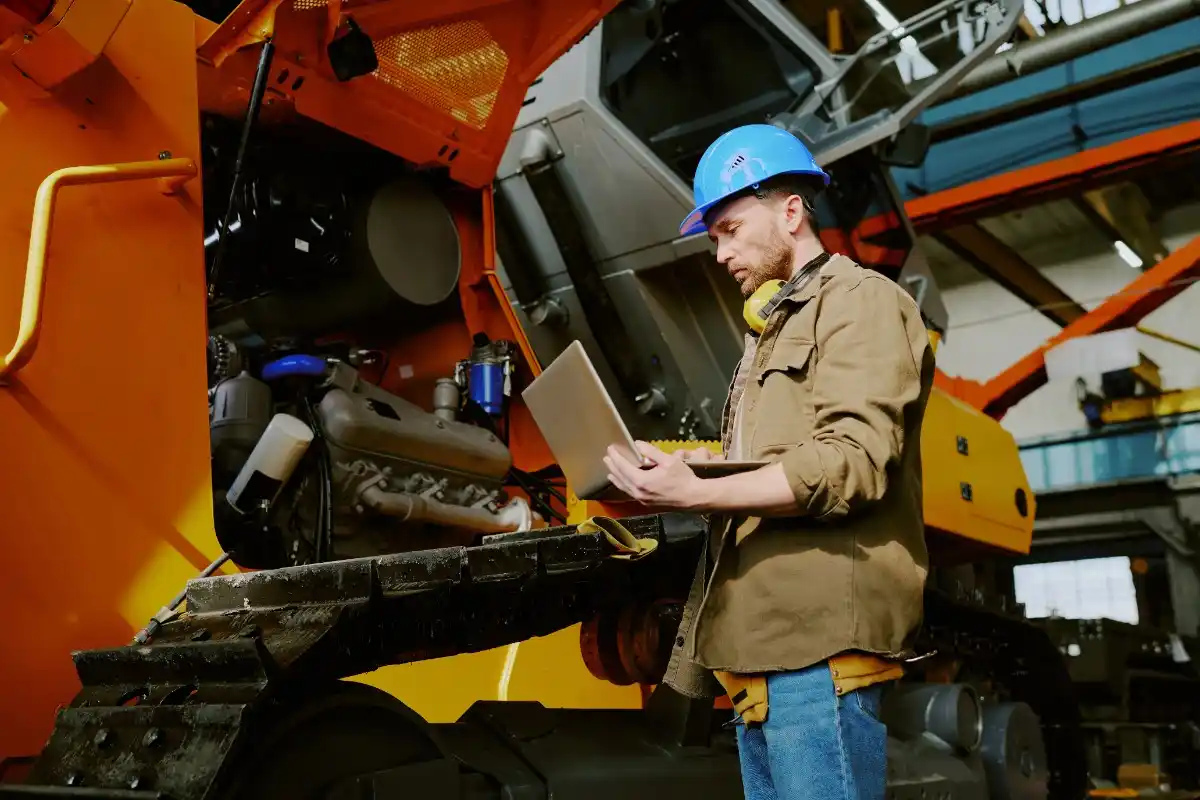
Heavy machinery is the backbone of Brisbane’s construction and mining scene. One flat tyre on a forklift or a balky excavator can shut down a site faster than a summer storm. I’ve been in those shoes myself waiting around in the Brisbane heat while a rig begs for a fix.
That’s why heavy machinery servicing Brisbane isn’t just a chore, it’s a smart business move. You want your diesel monster humming, not coughing smoke on the side of the road. Think of servicing like giving your gear regular check-ups so it lives a long, productive life.
Serving up more than just advice, heavy machinery servicing Brisbane helps keep your equipment running at its best. We’ll walk you through how to keep your machines in top nick.
We’ll cover everything from daily pre-start checks to finding a great diesel mechanic Brisbane pro, plus the lifesaver benefits of mobile repairs. Along the way, we’ll sneak in some cheeky Aussie humor and personal stories. By the end, you’ll have a checklist in your back pocket and a grin on your face, ready to take care of your heavy kit like a champ.
Even equipment that doesn’t look like a bulldozer for example, scissor lifts and boom platforms needs attention. Jumping into the air is no joke, so those machines demand checks too.
Heavy machinery servicing Brisbane professionals also recommend following regular inspection schedules to keep this equipment safe and reliable. Brisbane tips aside, the official Elevated Work Platform Maintenance checklist covers it all: from inspecting harnesses and guardrails to testing hydraulics. You can use it as a guide to make sure nothing’s missed when you’re climbing up for that last light bulb change.
Routine Checks & Preventative Maintenance
Your day-to-day handshake with heavy machinery servicing Brisbane starts with a good pre-start routine. Always tell operators: treat every shift like a pit stop. It might feel like overkill to check the oil cap and tyre pressure every morning, but trust me, it saves huge headaches later. Here are the essentials, step by step:
- Pre-Start Inspection: Before firing the engine, walk around the machine. Check tyres/tracks for damage or under-inflation. Look for oil or hydraulic leaks. Make sure lights, horns and backup alarms work. These simple checks are an important part of heavy machinery servicing Brisbane and can help identify issues before they become costly repairs.
- Fluids and Filters: Verify all fluid levels. Top up or change as needed. Replacing air, fuel and oil filters on schedule, dirty filters starve the engine and cause big performance drops. As part of heavy machinery servicing Brisbane, mark filter changes on my calendar so I don’t miss them.
- Lubrication:Grease every pin, joint and bearing. With all that bush work around Brisbane, dust and grit get everywhere. A good lube job prevents squeaks and freezes. carry a grease gun in the machine cab for quick top-ups as part of heavy machinery servicing Brisbane.
- Battery and Electrical: Check battery terminals are clean and tight. Strong electrical flow means a happy engine start and reliable lights/controls. Inspect wires and connections for wear or chafing. I’ve seen systems fritz out because a rodent had a snack on wiring so, look under the hood regularly.
- Moving Parts and Accessories: Operate levers (boom, bucket, forks) to ensure they move smoothly. Inspect seatbelts, gauges and switches. Make sure mirrors are clean and cameras/sensors aren’t obstructed. Even a bent fork can ruin a lift, so test safety devices as part of heavy machinery servicing Brisbane.
It’s worth putting these checks into a simple daily or weekly checklist as part of heavy machinery servicing Brisbane. Bullet point lists are your friend, they make sure nothing slips through.
For example, Eagle Forklifts in Queensland recommends daily checks of hoses, tyres, seat belts, fluid levels, lights, brakes, steering, tines and audible alarms. You don’t need fancy software, a laminated checklist in the cab and a line on the logbook will do wonders.
Key Takeaway: A few minutes each morning can prevent an afternoon of downtime. Brisbane projects move fast start each day confident your machinery is fit to handle the job.
Find a Trusted Diesel Mechanic Brisbane
Even with the best in-house checks, sometimes you need a skilled pro. A diesel mechanic in Brisbane is like a doctor for your machine’s soul.
These blokes and sheilas specialise in big engines, so they know Caterpillar, Komatsu, Volvo and all the heavy brands like the back of their hand. When something serious needs fixing, say a faulty injector pump or cracked block, you want a certified diesel tech who also provides heavy machinery servicing Brisbane to keep your equipment running reliably.
How to pick one? Look for:
- Credentials & Experience: Prefer technicians who are licensed and experienced with heavy machinery servicing Brisbane and heavy equipment. If they’ve worked in mining or large construction, even better. Heavy machinery is nothing like your street car, so expertise is key.
- Services Offered: Good shops offer comprehensive services: engine rebuilds, hydraulic and electrical repairs, welding and fabrication. For example, BHS Equipment boasts certified diesel earthmoving mechanics who handle everything from engine rebuilds to fuel system calibration.
- Availability:Find someone with after-hours or emergency callout for heavy machinery servicing Brisbane. Brisbane sites don’t clock off at 5pm neither should your mechanic! A 24/7 breakdown line can be a lifesaver at 2am on-site.
- Parts and Equipment: Does the shop stock genuine parts or aftermarket? Do they have tools for big jobs ? You don’t want them calling off site because they lack a gasket or a forklift clamp.
- Reputation: Word of mouth is gold. Ask around or check online reviews. A mechanic who’s fixed your mate’s bulldozer without drama is a keeper.
Trust is a big word, but pay attention to warranty offerings too. Reputable diesel mechanics will guarantee their labor and parts. It’s your safety net in case something goes sideways .
Mobile Diesel Repairs Brisbane
You’re on-site west of Brisbane with a dozer that’s wheezing a diesel cough. Towing it offsite costs a fortune and kills your schedule. Enter mobile diesel repairs Brisbane and heavy machinery servicing Brisbane. These services send a fully equipped workshop to you. It’s like having a roving pit crew: they arrive with tools, parts, diagnostics kit, even cranes if needed and get cracking right there.
Mobile repairs shine when you’re remote or in a rush. Call them and instead of moving your heavy machine, they move to it. All Grade Mechanical & Contracting, for example, advertises heavy machinery servicing Brisbane with 24/7 on-site breakdown support across Brisbane.
They’ll handle diesel engine faults, electrical issues, air conditioning fails basically, anything to get you running. Yes, it can cost more than the shop rate, but consider that versus days or weeks off-line.
Here’s how to make the most of mobile repairs:
- Plan Preventive Visits: You can schedule mobile servicing too. Every few months, have them swing by and do a full service on-site. It avoids surprise downtime.
- On-Call Support: If your machine goes dark unexpectedly, pick up the phone immediately. The quicker the response, the better as one Brisbane diesel service puts it, “when your gear goes down, we gear up fast.”
- Have Spare Parts Handy: If you know a certain part fails often, keep a spare on hand. The mobile tech can swap it out in minutes, saving hours of waiting.
- Keep Communication Clear: These mobile teams often serve mining, construction and agriculture, so they’re used to tough conditions. Just give them clear directions, and maybe some water they’ll thank you in advance for hospitality in QLD heat!
Using a mobile service means less downtime moving equipment and more time on the job. For businesses relying on heavy machinery servicing Brisbane, a mobile mechanic helps keep equipment running efficiently while reducing costly delays.
In Brisbane’s fast-paced sites, I always tell mates: “Better pay a bit extra now than lose a week’s work later.” Your payroll will thank you.
Forklift Maintenance Service
Forklifts might be smaller compared to bulldozers, but they’re workhorses too. Whether it’s a warehouse truck or a rough-terrain forklift on a construction yard, routine maintenance is crucial.
As part of heavy machinery servicing Brisbane, you’d be surprised how often we see forklifts with flat tyres or dead batteries causing delays. Remember, safety rules in Australia require daily pre-start checks for forklifts just as they do for cars.
Here’s a quick checklist for forklift maintenance:
- Daily Pre-Start: Inspect tires for wear or cuts. Check forks and mast for cracks or deformations. Ensure the horn, lights, seatbelt and backup alarm work. Verify fluid levels. If it’s an electric forklift, charge or top up battery water and clean terminals.
- Weekly Checks: Clean the forklift to remove dust/dirt. Grease all moving parts. Inspect brake adjustments and steering components. Test the emergency brake.
- Monthly or Hour-Based Service: Change engine oil and filter or maintain battery electrolyte levels. Check coolant and hydraulic oil quality. Replace air and fuel filters on schedule. Adjust belts and inspect hoses. Lubricate mast chains, carriage rollers, and tilt cylinders.
- Professional Inspection: At least every 1-2 years, have a qualified service tech do a full service. They’ll check the engine, transmission, all hydraulics, and safety systems. For example, industry guidelines note spark plug changes, coolant flushes and belt replacements at longer intervals.
If you’ve got a fleet, you might use a service provider who will come to you. But even for a single forklift, a dedicated forklift maintenance service is worth it.
They’ll log everything, catch issues early, and keep your certifications up to date. This is especially important as part of heavy machinery servicing Brisbane businesses rely on to keep equipment safe, compliant, and operating efficiently.
Construction & Earthmoving Equipment Repairs
Large machines like excavators, loaders, bulldozers and graders need specialised care. They endure dusty Queensland quarries and construction zones, making heavy machinery servicing Brisbane essential for reliable performance and reduced downtime.
Over time, critical systems wear out: hydraulic hoses get tiny cracks, engine mounts shake loose, rubber track pads peel away. Following Safe Work Australia – Plant and Machinery guidance also helps improve safety and maintenance practices. Here are some pro tips for this category:
- Track and Undercarriage: For excavators and dozers, inspect tracks or wheels daily. Remove debris lodged in tracks. Check rollers and idlers for smooth rotation. Adjust track tension as recommended too loose and it derails, too tight and it stresses the drive motors.
- Hydraulic Systems: Hydraulic fluid is the lifeblood. Look for leaks at cylinders and hoses. Even a small seep means trouble. Replace hoses at the first sign of wear. Bleeding any air out of the system spongy controls are often air in the oil.
- Engine and Powertrain: Aside from oil changes, watch the cooling system. Brisbane heat can stress radiators and fans. Clean debris from radiator fins and ensure coolant is fresh. On heavy trucks, check the transmission fluid and brake chambers.
- Structural Integrity: Giving a digger a hard time often means its chassis or bucket frame might crack. Do a quick look at welded joints and boom structure for new cracks. A patch job now beats a catastrophic failure later.
- Operator Training: Often overlooked: make sure your operators know how to handle the machine. Rough driving can cause unnecessary stress. A gentle hand on the controls and smooth starts/stops save wear and tear.
Local Brisbane repair shops that advertise heavy machinery servicing Brisbane and construction equipment repairs Brisbane usually cover all of the above. They might also mention things like laser alignment of loader arms or electronic diagnostics. If something fails, call in the experts. For instance, BHS Equipment highlights “on-site inspections and diagnostics” for earthmoving gear, a good service to have.
If you do nothing else, commit to a routine servicing schedule. Use manufacturer’s recommended service hours as a guide. This might mean servicing your excavator every 250 hours, a bulldozer every 500 hours, etc. Every time I see a project have a planned downtime, it’s best spent doing these big check-ups. Your machinery will thank you by running trouble-free when that new job comes rolling in.
Diesel Earthmoving Mechanic
You might wonder: what exactly is a diesel earthmoving mechanic? It sounds grand, but it simply means a mechanic who specializes in diesel engines on earthmoving gear. These folks are often highly trained and they carry a toolbox that’s part of the NASA lab. In Brisbane, calling in a diesel earthmoving mechanic for big jobs is smart, especially when you need heavy machinery servicing Brisbane to keep your equipment running safely and efficiently.
These mechanics do:
- Engine Overhauls: Rebuilding or tuning big diesel engines. They’ll replace worn pistons, regrind crankshafts, calibrate fuel injectors.
- Fuel & Air Systems: Fixing everything from injection pumps to turbochargers to ensure your machine breathes and burns fuel correctly. A well-tuned diesel hums, a lumpy one wastes fuel and spews soot.
- Advanced Diagnostics: Using scanners to read engine fault codes, they identify sensors or computer glitches. Modern heavy machines have plenty of computers nowadays, even if they’re big and beefy underneath.
- Hydraulic Diesel Engine Integration: Many hydraulic machines have a diesel engine driving the hydraulics. These mechanics ensure the engine’s power reaches the pump smoothly, adjust governors, and fix any coupling issues.
Brisbane construction companies often schedule diesel engine refurbishments during downtime. For instance, BHS Equipment mentions “fuel system calibration” and engine rebuild expertise for “Caterpillar, Komatsu, Hitachi, or Volvo engines”. That tells you: local specialists have seen it all.
When to call them? If a machine is underpowered, smoking excessively, or tripping safety limp modes, that’s your cue. Or, for peace of mind, have a diesel mechanic do an annual health check. Yes, it costs a few grand upfront, but compare that to writing off a machine because its engine gave out.
Safety, Compliance and Legal Requirements
Let’s not forget maintaining machinery isn’t just smart, it’s often the law. In Brisbane, workplace health and safety regulations require that plant and machinery be kept in safe working order. In practice, this means regular servicing and risk management. If an inspector finds a forklift that’s never had its brakes checked, it could be a breach and possibly a fine.
Also, if you operate heavy vehicles on public roads, Queensland Transport requires inspections per the National Heavy Vehicle Inspection Manual. This is basically a government checklist for trucks over 4.5 tonnes: lights, brakes, steering the works. Even if you’re just moving gear within Brisbane, safety is paramount.
A compliant service logbook is your best evidence that you’ve done the right thing. Heavy machinery servicing Brisbane helps ensure equipment is maintained to the required standards. We know compliance sounds boring, but it ties to real-life consequences. A failed brake check could cause an accident, or a ruptured hose could douse an operator in hot oil. By following guidelines, you cover both performance and peace of mind. After all, a well-maintained machine is a safer machine.
Conclusion
Brisbane’s heavy equipment operators, think of this as your go-to cheat sheet for heavy machinery servicing in Brisbane. Keep those machines fed with fresh oil and attention, call in qualified diesel mechanics when needed, and never skimp on the little daily checks. Doing so means fewer breakdowns, safer jobs, and more uptime which in turn means happier bosses and crews.
Ready to take action? Don’t wait for the next breakdown to remind you. Reach out for expert help or schedule your maintenance now. Whether you need a forklift maintenance service, a diesel mechanic Brisbane pro, or routine earthmoving equipment repairs Brisbane, give us a call or hit Schedule Service online. Your machines will thank you.
Keep your fleet running at peak performance. Contact us today to book your next heavy machinery service in Brisbane, and experience the confidence of having a reliable partner on standby!
FAQs
-
What does heavy machinery servicing include?
It covers routine checks and services on all major components – engine oil, filters, hydraulics, brakes, tyres, etc. Think of it like an oil change and health check-up for your entire machine.
-
How often should I service my heavy equipment?
Follow the manufacturer’s recommended schedule (often in hours of operation). Typically, you’ll do daily or weekly pre-checks, and more thorough servicing every few hundred hours or annually.
-
Why hire a professional diesel mechanic in Brisbane?
Diesel engines on heavy gear are complex. Certified diesel mechanics have the tools and expertise to diagnose and fix issues that general mechanics might miss – saving money in the long run.
-
What is mobile diesel repair, and when should I use it?
Mobile diesel repair is an on-site service where a tech brings the workshop to your site. Use it for emergency breakdowns or when equipment is far from a shop. It’s faster than towing and often worth the cost to reduce downtime.
-
Do forklifts need regular servicing?
Absolutely. Forklifts should have daily pre-start checks and regular servicing . Routine forklift maintenance prevents accidents and keeps productivity high.
-
Are there legal requirements for maintaining construction equipment?
Yes. Workplace safety laws require all machinery to be maintained in safe condition. For heavy vehicles, there are government inspection manuals (like Queensland’s National Heavy Vehicle Inspection Manual). Keeping records of servicing helps demonstrate compliance.