
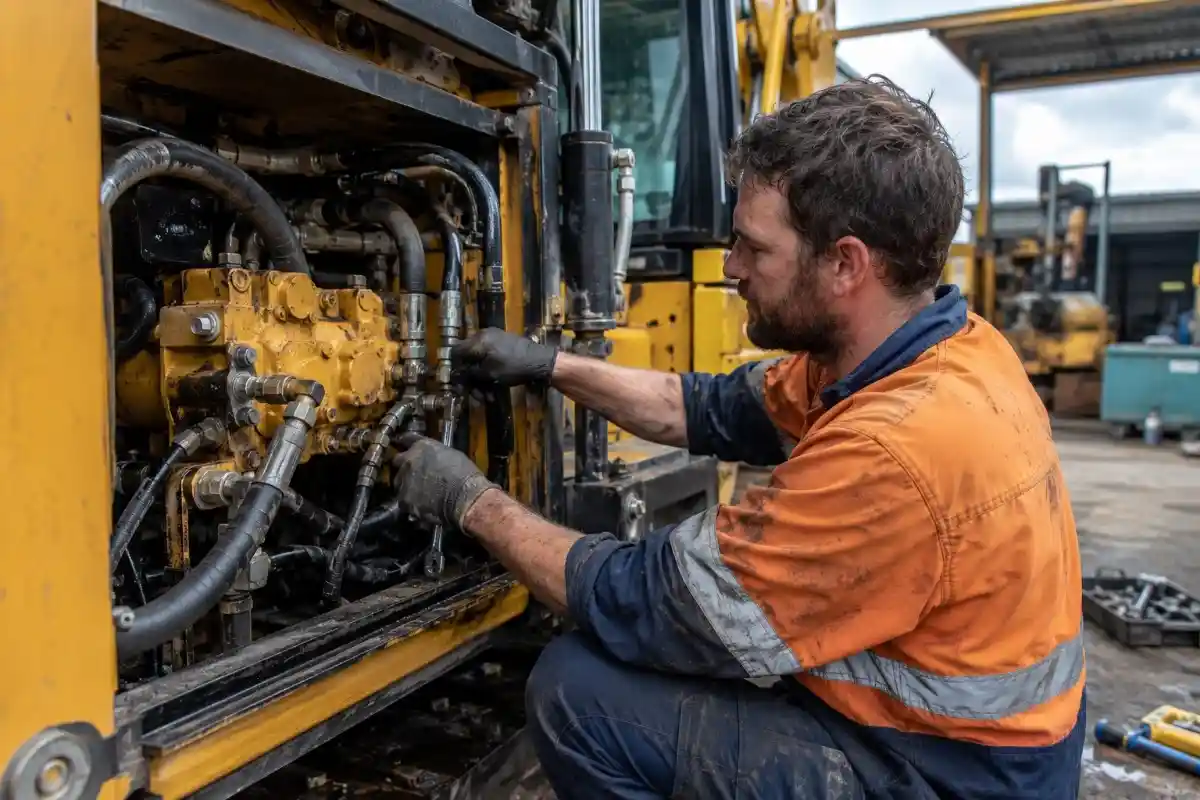
On busy Brisbane construction sites, earthmoving equipment works in tough conditions with constant dust, heat, and heavy workloads. Hydraulic systems play a critical role in powering essential machine functions such as lifting, digging, pushing, and tilting.
When hydraulic components fail, equipment performance can quickly drop, leading to costly delays and downtime. That is why professional earthmoving equipment repairs Brisbane services are often needed to identify and fix issues before they become major breakdowns.
Industry experts note that contamination, extreme temperatures, and worn hydraulic parts are some of the most common causes of system failure. In Queensland’s harsh climate, regular inspections and timely maintenance are essential for keeping machinery reliable and projects running smoothly.
An excavator like this is all muscle and hydraulics, but even the sturdiest machine can stumble. Hydraulic failures lead to slow movements, wobbling lifts, or no movement at all. Studies show that contamination, overheating, seal wear, and pump stress are the biggest culprits.
Left unchecked, a fluid leak or overheated oil can make your machinery cough and wheeze like a runner in a sauna. With downtime so costly, keeping those lines and seals in top shape is crucial. In short: if your machine starts acting “off”, it’s time for earthmoving equipment repair Brisbane specialists to check out the hydraulics.
Let’s break down the common hydraulic headaches you’ll see in Brisbane’s heavy gear and how to spot them before they hit your wallet:
- Contaminated Hydraulic Fluid: Dust and dirt (we’ve got plenty in Brisbane!) or water can sneak into the system, clogging filters and valves. This makes everything sluggish and accelerates wear.
- Overheating: Running a machine hard with dirty coolers or low oil can bake the hydraulic fluid. In many cases, professional earthmoving equipment repairs Brisbane technicians find that overheated oil loses lubrication and hydraulic power quickly. trying to walk through a heatwave it’s like that for your hydraulics.
- Leaks & Worn Seals: Cracks, nicks or old seals let fluid ooze out. A tiny leak might seem harmless, but it drops system pressure and slows the gear. Think of it like a hole in your garden hose – pressure just disappears!
- Pump or Motor Failures: After burning rubber (or oil) for thousands of hours, pumps and motors get tired. You might hear whining or knocking, and the machine will lack “oomph”. This happens especially if air gets in or if poor fluid was used.
- Damaged Hoses & Fittings: Brittle or sun-bleached hoses, or pinched lines, can burst or leak suddenly during earthmoving equipment repairs brisbane projects. Without warning, you could lose control of a bucket or blade. It’s a scary abrupt stop on a job site.
These issues often show visible clues. For example, oil puddles under your machine or hissing sounds usually mean a leak or ruptured hose. Greasy streaks along a cylinder rod hint at seal trouble. In fact, some leaks like a worn cylinder seal can often be fixed on-site in about an hour during earthmoving equipment repairs Brisbane services. And when operators notice a machine sluggish or noisy, it often points to a failing pump. Don’t let odd sounds or drips fool you early fixes prevent bigger bills and help keep your earthmoving equipment repairs Brisbane running smoothly.
For quick reference, here’s a snapshot of common hydraulic problems, their telltale signs and easy fixes:
|
Hydraulic Issue |
Symptoms & Causes |
Quick Fix / Prevention |
| Fluid Contamination | Dirt or water in oil causes filters to clog and parts to wear out. |
Keep fluid clean: change filters regularly and use high-quality oil. |
|
Leaks & Worn Seals |
Oil puddles or stains, low pressure, sluggish movement. | Inspect hoses/seals weekly and replace any damage immediately. |
| Overheating | Rising temperature gauge, burnt-oil smell, reduced lifting power. |
Clean radiators/coolers; maintain proper fluid levels and correct oil type. |
|
Pump/Motor Problems |
Whining or knocking sounds, jerky or slow operation. | Perform routine pump servicing; bleed air out after repairs; use quality parts. |
| Air (Cavitation) | Whine or screech, erratic speeds, loss of force. |
Bleed the system after any repair or if oil is topped up; fix leaks to prevent air ingress. |
|
Hose & Fitting Damage |
Visible cracks, bulges or sudden fluid spew from hoses. |
Use hoses rated for your machine; replace any frayed or kinked hose before it bursts. |
Keeping the Brisbane Fleet Rolling
So, how do you stop these hydraulic gremlins in earthmoving equipment repairs brisbane? It all comes down to preventative maintenance and smart fixes. Brisbane mechanics agree: routine checks minimise downtime, accidents, and repair costs. In the world of earthmoving equipment repairs brisbane, regular hydraulic inspections help machines perform safely and efficiently. Following guidelines like Safe Work Australia Earthmoving Machinery Lifting Operations can also help operators maintain safer worksites and reduce hydraulic-related hazards. Here are some bulletproof tips to bulletproof your hydraulics:
- Check Fluid Level & Quality: Almost every headache in earthmoving equipment repairs brisbane starts with dirty or low oil. Monthly sampling will catch dirt, moisture, or low oil before it clogs your system. Fresh, clean fluid is like giving your machine a healthy boost that keeps heavy equipment running smoothly and reduces costly downtime.
- Swap Out Filters Regularly: Dirty filters let grit through to wreck pumps and valves. A good rule is to change hydraulic filters every 6–12 months (or sooner in dusty sites). Clean filters = clean fluid = less wear all around.
- Inspect Hoses & Seals Frequently: Make it a habit: every week or at shift start, circle your equipment and inspect the hoses, O-rings, and connectors as part of regular earthmoving equipment repairs Brisbane maintenance. Tiny cracks or bulges often signal bigger hydraulic problems ahead. As one hydraulics expert jokes, “a pinhole leak is like a slow deflation; don’t wait for the tire to go flat.” Replacing worn parts early can help reduce costly downtime and keep your machinery running efficiently.
- Cool It Down: Brisbane’s heat can cook your oil. Keep radiators and hydraulic coolers free of dust and leaves we’ve seen a whole screening of debris stall machines. Even a garden leaf blower on the wrong end of a radiator can keep things chill. earthmoving equipment repairs brisbane Clean fins and fans regularly so your hydraulics don’t catch a fever.
- Bleed the Air: Air in your lines (cavitation) is sneaky it sneaks in when fluid level drops or during repairs. If your controls feel spongy or make bubbles, bleed the system per your manual. Getting that last bit of air out keeps performance smooth. This is why professional earthmoving equipment repair Brisbane services always check hydraulic lines carefully to prevent air buildup and maintain reliable machine performance.
- Train Your Team: Sometimes the simplest fix is education. Show operators the warning signs (drips, noises, heat) and have them report issues at the first squirt. A quick service today beats a full pump rebuild tomorrow.
Implementing this checklist is like having a secret insurance policy for your machinery. In fact, the BHS Equipment team stresses that timely maintenance and professional earthmoving equipment repairs Brisbane services help save gear from dying on the job. Even WorkSafe data backs it up: “consistent maintenance… minimises downtime and extends equipment life” exactly what every site boss wants.
Beyond Earthmovers: Hydraulic Gear Across Brisbane
Brisbane’s construction boom isn’t just about diggers. Transport and logistics fleets think big trucks, trailers and forklifts also rely heavily on hydraulics. A truck’s tipping gear, crane booms, or even the steering on a heavy trailer can be hydraulically powered. Firms budget for hydraulic and fuel system repairs, since a blown line can lock up an entire logistics chain.
Likewise, elevated work platforms (EWPs) like boom lifts and scissor lifts have hydraulic guts. Imagine a scissor lift stuck halfway up that’s a hydraulic fault in action.
earthmoving equipment repairs brisbane
Regular boom lift and scissor lift servicing is a must to avoid scary fails. In the world of earthmoving equipment repairs brisbane, keeping hydraulic systems in top condition helps prevent sudden breakdowns and costly downtime on construction and mining sites. And in busy ports or building sites, hydraulic crane repairs keep cranes safe under load. Brisbane Diesel Mechanics, for example, emphasises “complete hydraulic repairs” across construction, transport and mining equipment. In short, whether it’s an earthmover, forklift, or even an airport tug, reliable hydraulics are non-negotiable for Queensland businesses.
Wrap-Up: Don’t Let Hydraulics Trip You Up
Hydraulics don’t like surprises—they prefer routine. By understanding common hydraulic issues and tackling them early, you’ll keep your earthmoving equipment repairs brisbane projects running like clockwork. Regular checks and quick fixes transform creeping problems into small, affordable repairs instead of costly emergency rebuilds for earthmoving equipment repairs brisbane businesses and operators.
When something does go wrong, trust the pros. Brisbane has specialists ready for on-site or workshop repairs. They’ll diagnose leaks, rebuild pumps or reseal cylinders so your machine’s “heart” keeps pumping. Following guidelines from it also helps operators maintain safer and more reliable equipment performance. Don’t wait for a breakdown story to become yours!
If you keep these tips in your toolbox and follow up on any warning signs, your gear will power through projects. After all, preventing downtime is the real bottom line. Stay proactive, ask questions, and if in doubt, call a trusted diesel mechanic in Brisbane. They live and breathe heavy machinery, and can get you back on track without any drama.
Ready to see your machines thrive? Keep on top of those hydraulics and you’ll be the hero who avoided the breakdown. Now get out there (safely), give your gear some TLC, and let it pump strong!
FAQs
-
What’s the fastest way to identify a hydraulic leak on an earthmoving machine?
Look for wet, oily spots around cylinders, hoses or seals. Also check fluid levels frequently – a sudden drop signals a leak. Catching a drip early saves big repair costs.
-
How often should hydraulic oil be changed on heavy equipment?
Typically every 1,000–2,000 operating hours, or as the manufacturer recommends. In dusty Brisbane sites, you may test and change oil more often to keep it clean and cool.
-
Why did my excavator hydraulics suddenly feel weak?
Often it’s low fluid or a minor leak. Check oil level and filter first. If hoses or seals are brittle, even a small crack can bleed off pressure, making actions slower.
-
Are hydraulic crane repairs different from earthmoving equipment repairs?
The basics are similar: both need clean fluid, sound hoses, and working pumps. However, cranes often need precision alignment and heavy-duty parts. Always use a qualified hydraulic mechanic.
-
Can Brisbane’s weather affect hydraulic systems?
Absolutely. Heat thins oil and stresses seals, while dust and salt air can contaminate fluid. That’s why frequent checks and clean systems are extra important in Queensland.
-
Do I always need a workshop for hydraulic issues?
Not always. Many leaks (like a worn seal) can be fixed onsite quickly. But for big jobs (pump rebuilds, major breakdowns), a specialist workshop or mobile service is safer.